
Budgeting for Historic Home Restoration
Accurate budgeting prevents surprises during historic restorations. develops phased budgets that reflect both preservation needs and market goals. Contact to get a realistic cost plan. The goal is to protect investment and control cash flow.
Restoring a historic home is both an emotional and financial commitment. Accurate budgeting for historic home restoration begins with understanding the building's physical condition, the work required to meet preservation standards, and the market expectations that will affect resale or reuse. When owners and project teams plan deliberately, they avoid costly surprises that derail timelines and threaten the fiscal viability of a restoration. approaches budgets as living documents that evolve as investigations, priorities, and market forces clarify the scope.
Why accurate budgeting matters for historic preservation
Historic structures often conceal conditions that only become apparent once work begins: hidden rot, outdated mechanical systems, or non-compliant structural elements. Without a robust budget that anticipates these discoveries, owners face stop-work orders, emergency repairs, and escalating costs. Accurate budgeting acknowledges uncertainty with realistic contingencies and phased planning, turning potential surprises into manageable decision points rather than crises. This disciplined approach protects both the building's character and the investor's capital.
Beyond technical risks, careful budgeting aligns preservation objectives with market goals. Whether the plan is to create a museum-quality restoration, a boutique rental, or a blended preservation/commercial conversion, each outcome has different cost drivers and acceptable finishes. Early financial modeling allows owners to make choices that balance authenticity, code compliance, and return on investment. In short, a budget is the roadmap that keeps preservation values and market realities moving forward together.
How develops phased, realistic budgets
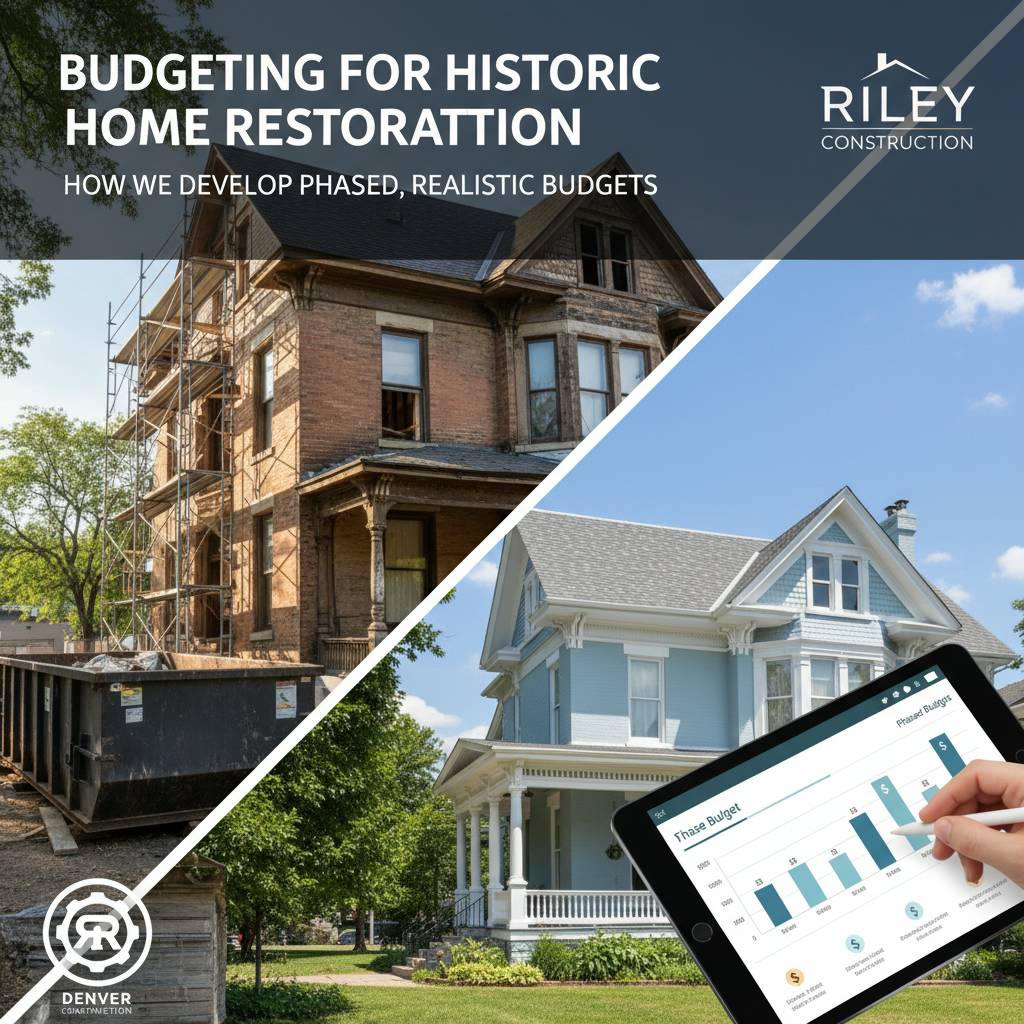 begins every project with a layered budgeting process that separates investigative costs from construction costs and from soft costs such as permits, consultants, and financing. The first phase emphasizes thorough condition assessments-architectural and structural surveys, hazardous materials testing, and systems diagnostics. These investigations reduce unknowns and feed directly into a phase-two construction estimate. By presenting budgets in phases, owners retain the flexibility to re-prioritize work as new information emerges while maintaining a clear estimate of expected outlays.
Phase-based budgeting also helps owners sequence work to control cash flow and to take advantage of contractor availability or grant cycles when applicable. models multiple scenarios-minimum viable preservation, targeted rehabilitation, and full restoration-so stakeholders can compare cost, schedule, and outcome. Each scenario includes an explicit contingency allocation proportionate to project complexity. This transparency empowers owners to decide what to do now, what to defer, and how to protect the investment while preserving the property's historic integrity.
Site assessment and documentation
Comprehensive documentation at the start reduces later cost creep. Detailed drawings, historic research, and measured surveys identify character-defining features that must be preserved and those that may be adapted. Costs for conservation specialists, historic tax credit consultants, and materials testing are common early expenses that pay off by focusing the scope and preventing speculative pricing during construction.
Common cost categories and realistic ranges
Restoration costs vary widely by building type, region, and required standard of preservation. However, listing typical cost categories helps owners anticipate where money is likely to be needed. The main buckets include: investigative and design fees; structural and envelope work; mechanical, electrical, and plumbing upgrades; specialized conservation of materials and finishes; code compliance and accessibility modifications; permits, insurance, and bonding; and contingency. Each category can move independently and often requires experienced estimators to translate conditions into reliable numbers.
Below is a simple cost matrix showing typical ranges many projects encounter. These ranges are illustrative and depend heavily on geographic labor rates, the building's condition, and the chosen level of historic fidelity.
| Category | Typical Cost Range | Notes |
|---|---|---|
| Investigative and design | $5,000-$50,000 | Includes surveys, testing, drawings, and consultant reports |
| Exterior envelope | $15,000-$200,000 | Roofing, masonry repointing, window restoration; costs spike with complex masonry or slate roofs |
| Structural repairs | $10,000-$150,000 | Foundation, framing reinforcement, and selective replacement |
| MEP upgrades | $12,000-$100,000 | Heating, cooling, electrical, plumbing; code upgrades often drive higher costs |
| Historic finishes and conservation | $5,000-$100,000 | Plaster restoration, decorative painting, millwork conservation |
| Soft costs and contingencies | 10[%- of hard costs | Permits, insurance, owner's contingency, and specialist fees |
These ranges are broad because historic projects range from modest single-room restorations to large, landmark-scale rehabilitations. A good estimator will refine these categories into line-items tailored to the building and the selected preservation approach.
Risk management and contingency planning
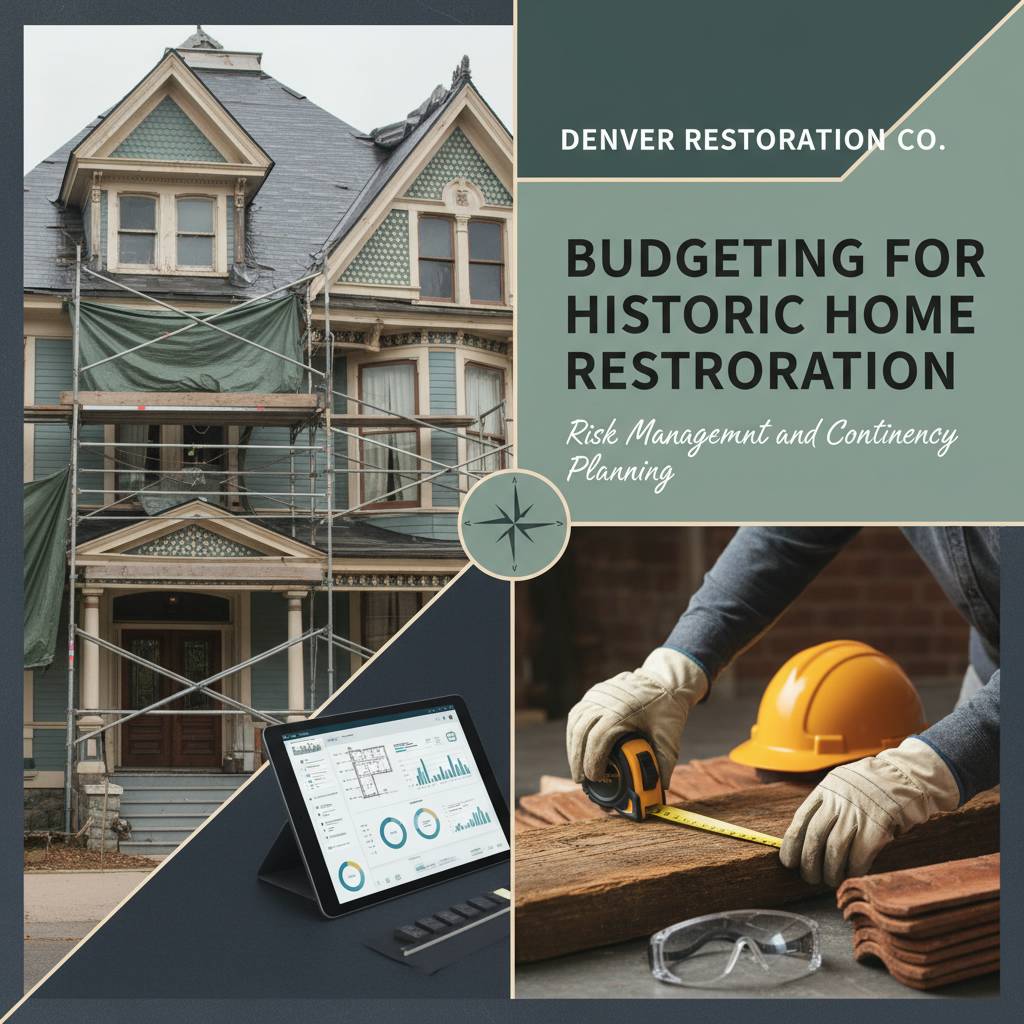 Managing risk is central to budgeting for historic home restoration. That starts with an honest appraisal of unknowns and a policy of staged commitments. For example, allocate a higher contingency percentage for projects with limited investigative data, complex masonry, or known hazardous materials such as lead or asbestos. Contingency should be seen as an operational tool-released against verified issues-not as discretionary padding to be consumed without documentation.
In addition to a financial contingency, set aside a schedule contingency. Historic work frequently uncovers sequencing issues that extend timelines: custom millwork takes longer, conservation treatments require drying and curing times, and unexpected approvals can stall progress. By including time buffers and clear decision thresholds in the budget documentation, teams avoid panic-driven decisions that inflate costs. recommends explicit change-order protocols and a small reserve fund for owner-directed scope changes to preserve transparency throughout the project.
Insurance, bonding, and warranty considerations
Specialty insurance and bonding requirements for historic projects can add to upfront soft costs but provide essential protection against contractor default and uncovered damages. Similarly, negotiate clear warranty terms for conservation work where possible; some treatments require ongoing maintenance plans. Budgeting for post-restoration maintenance ensures that initial investment is not eroded by deferred upkeep.
Financing strategies and cash flow control
 Financing a historic restoration often combines traditional mortgage lending with renovation loans, grants, tax credits, and private capital. Early budget realism increases eligibility for lending because underwriters respond to clearly documented scopes and phased cash flow projections. For owners aiming to leverage historic tax credits or local preservation grants, integrates the application costs and timing into the budget so that anticipated reimbursement or credit timing does not create a cash-flow gap.
Controlling cash flow means aligning payment schedules with project milestones and procurement cycles. Bulk purchases of long-lead items can smooth costs but require upfront capital and storage. Staged billing, retainage, and milestone payments tied to measurable outputs protect owners from paying ahead for work not yet completed. Financial controls-regular cost tracking and monthly variance reporting against budget-are essential disciplines. These practices keep surprises small and solvable rather than catastrophic.
Decision frameworks: what to prioritize when budgets are tight
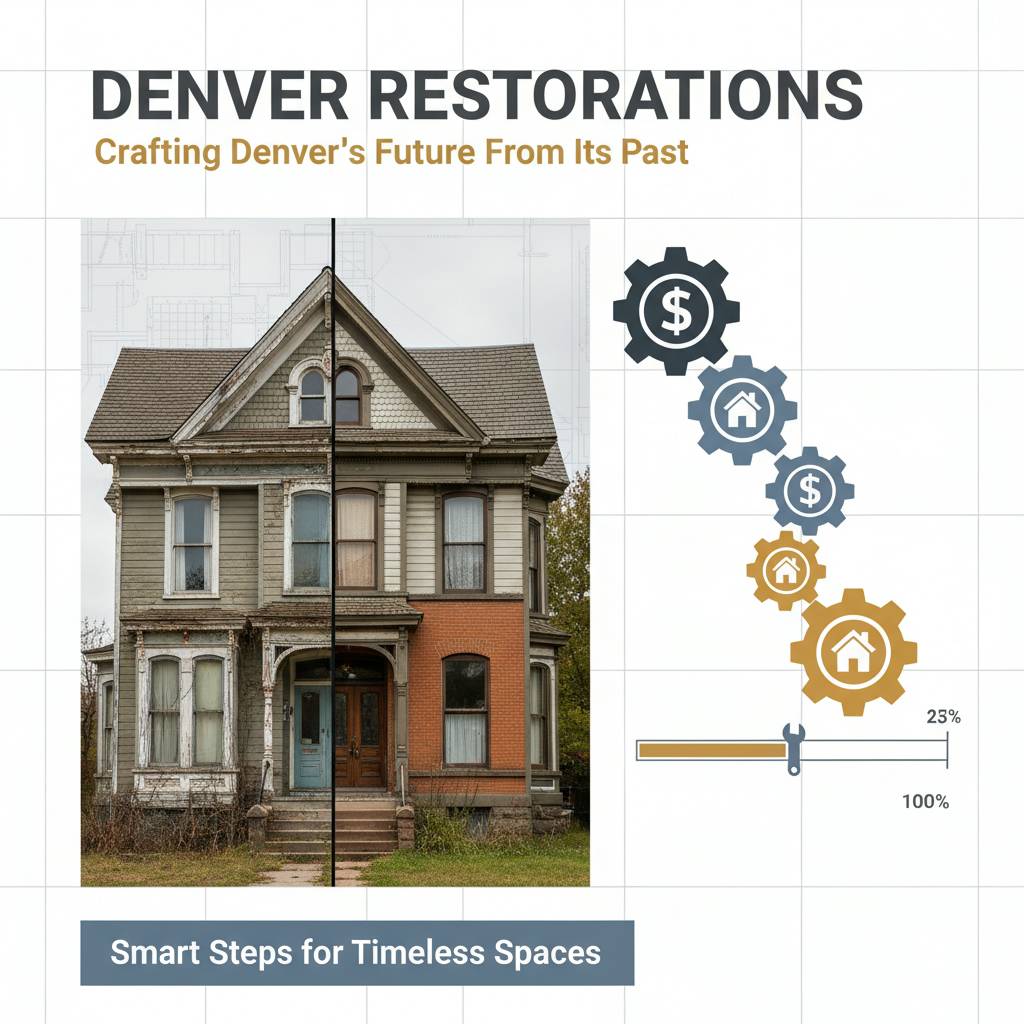 Historic restoration often requires value-based trade-offs: preserve an original window or replace it with an energy-efficient replica; repair original plaster or install new gypsum walls and salvage decorative elements. When budgets tighten, a clear decision framework helps prioritize actions that preserve the most important character-defining features at the best cost. Begin by ranking elements by historic significance and structural importance, then assess options that deliver similar visual outcomes at lower cost where appropriate.
uses a conservation hierarchy to guide decisions: first, repair in place; second, consolidate or adapt existing fabric; third, selectively replace with matching materials; and finally, when necessary, use compatible new materials that meet preservation goals. This hierarchy reduces impulsive replacements and helps owners align expenditures with long-term value. If desired, can walk stakeholders through prioritized options during the planning phase to clarify the trade-offs and impacts on both budget and authenticity.
Real-world case example and lessons learned
 A mid-19th century townhouse presented a common scenario: visible plaster cracks and sagging cornices suggested deeper structural issues. Initial bids varied widely due to incomplete documentation. By investing in targeted structural probes and materials testing, the owner and narrowed the scope to strategic reinforcement, localized masonry repointing, and matching cornice conservation. The phased budget included a construction contingency and an explicit allowance for custom millwork. The result: the project stayed within the revised budget, avoided wholesale replacement of historic elements, and completed on a realistic timeline.
The lesson is that modest investigative spending up front often yields proportionally large savings. It converts guesswork into informed decisions, minimizes change orders, and preserves the quality and authenticity that matter most in historic projects. That kind of upfront discipline is exactly what clients can expect from when it comes to budgeting for historic home restoration.
Next steps and how to get started
Begin by scheduling an initial consultation to review the property, discuss preservation goals, and outline a phased investigation plan. will provide a preliminary budget framework that identifies likely cost drivers, recommended investigative steps, and a suggested contingency approach. This first deliverable gives owners a realistic sense of the investment required and the decision points that will shape the final scope.
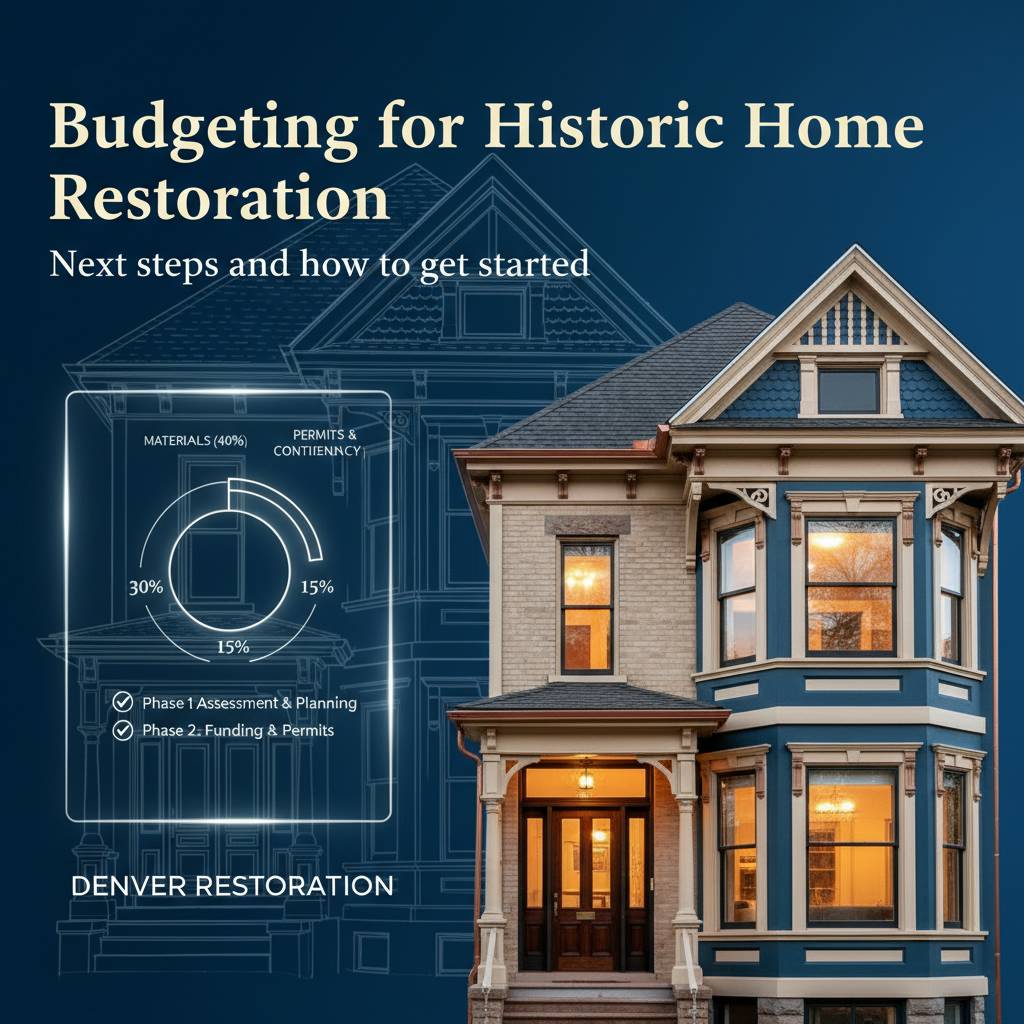
For owners ready to move forward, the next phase is targeted site assessment and documentation. Allocate funds for materials testing, measured drawings, and a brief report that translates observations into budget line-items. These documents enable contractors and subcontractors to provide fixed-price proposals, reducing the likelihood of significant cost escalation once construction begins.
To discuss your project and receive a practical, phased budgeting plan, contact at . Our team will help you protect your investment, control cash flow, and preserve the historic character that makes your property valuable.
Call to action: Schedule a no-obligation budget review to identify high-risk areas and potential savings. Let develop a phased cost plan that aligns preservation and market objectives.
Final note: Accurate budgeting is not a one-time task but an ongoing discipline. With clear phases, documented assumptions, and prudent contingencies, a restoration project becomes manageable and predictable. Reach out to at to begin creating a realistic cost plan that protects both the building and your investment.