
Cost-Effective Historic Restoration Tips
Homeowners need cost effective restoration tips that protect heritage and save money
Restoring a historic home is a rewarding process that requires both sensitivity to period details and a pragmatic approach to budgets. At , we combine conservation-minded practices with realistic cost control so owners can preserve character without overspending. This guide offers cost-effective historic restoration tips focused on high-impact actions that lower immediate costs and boost long-term value. If you need prioritized recommendations, reach out at .
Our advice is practical and field-tested: from accurate condition assessment to choosing materials that match original aesthetics while offering modern durability. You will find methods for saving money on labor, reducing waste, and making phased decisions that protect heritage elements first. Read on for clear steps, material comparisons, and maintenance strategies that stretch restoration dollars further while honoring a building's history.
Assess, document, and prioritize: the foundation of cost-effective projects
Before removing plaster or replacing windows, invest time in an objective condition assessment and documented plan. A systematic survey identifies critical issues such as structural concerns, water ingress, or hazardous materials that demand immediate attention. Prioritization prevents costly rework and ensures funds are directed to items that stabilize and preserve the property's integrity first. Owners who start with a prioritized list reduce wasteful spending and avoid unnecessary interventions.
Documentation also pays dividends when sourcing grants, insurance support, or planning consents. Create a concise condition report that includes photographs, sketches, and a prioritized list of interventions. This record helps contractors provide more accurate quotes and allows you to phase work across seasons or budgets while preserving the most vulnerable features early on.
Quick assessment checklist
- Roof and gutter condition: signs of leaks, sagging, or blocked outlets.
- Foundation and damp: rising damp, penetrating damp, or compromised drainage.
- Windows and doors: rot, glazing types, and historic hardware preservation needs.
- Interior finishes: plaster stability, historic paint layers, and flooring condition.
- Mechanical systems: electrical, plumbing, and HVAC safety and capacity.
Material choices that balance authenticity and value
 Selecting materials is one of the most important cost drivers in a historic restoration. Aim for compatibility with existing fabric to avoid accelerated deterioration; for example, using breathable lime-based mortars and plasters where the original masonry requires vapor permeability. In many cases, sympathetic modern substitutes can provide improved longevity and lower maintenance while keeping visual authenticity.
Where possible, retain and repair original materials rather than replace them. Repairing original timber sash windows, for example, often costs less and preserves character more effectively than full replacement with new units. When replacement is unavoidable, match visual profiles and proportions and choose durable, low-maintenance finishes to reduce lifecycle costs.
Cost comparison: common material choices
| Element | Conservative repair option | Typical cost range | Replacement option | Typical cost range |
|---|---|---|---|---|
| Timber sash window | Repair, reglaze, weatherstrip | $200-$800 | New timber replicate | $800-$2500 |
| Masonry repointing | Lime mortar repoint | $10-$40 per sq ft | Cement-based repoint | $8-$30 per sq ft |
| Interior plaster | Patch and consolidate | $75-$200 | New gypsum skim | $150-$400 |
Labor strategies: contracting, phasing, and community resources
Labor typically makes up a large portion of restoration costs, so adopt strategies that keep skilled trade hours focused and economical. Get multiple quotes, but weigh experience and references heavily: historic work often needs craftspeople familiar with traditional methods. Consider hiring a small specialist team for priority tasks and using general trades for less-sensitive work to control hourly rates without sacrificing quality where it matters most.
Phasing work over time is an effective cost-management tool. Tackle structural stabilization and weatherproofing first, then plan secondary work like decorative finishes in later phases. This staged approach lets homeowners spread costs and make more informed decisions about finishes or upgrades after living with initial interventions for a season.
Ways to reduce labor costs without compromising quality
- Bundle similar tasks to reduce mobilization charges (e.g., window repairs done in batches).
- Supply some non-specialist materials directly to save markup where appropriate.
- Use time-and-materials with a guaranteed maximum price for uncertain scopes to guard against overruns.
- Tap local heritage trade networks or vocational programs for competitively priced, supervised labor on lower-risk tasks.
High-impact interventions that lower long-term costs
 Not all restoration work delivers equal value. Prioritize interventions that protect the building envelope and reduce ongoing decay: roof repairs, improved drainage, and sealing around openings stop water-related damage that often leads to expensive secondary work. Investing in these protections typically saves money over five to ten years by reducing repair frequency and preserving original fabric.
Energy-efficiency upgrades can be cost-effective when done sensitively: adding insulation where it won't trap moisture, installing secondary glazing rather than replacing historic windows, and upgrading heating controls can reduce running costs while preserving the building's appearance. These improvements often increase occupancy comfort and can be phased in as budget allows.
High-impact priority list
- Fix leaks and improve drainage to eliminate ongoing water damage.
- Stabilize foundations and load-bearing elements to avoid emergency repairs.
- Repair original joinery rather than full replacement where feasible.
- Install targeted insulation and efficient controls to reduce energy bills.
Maintenance plans that protect heritage and limit future spending
 Long-term value comes from a robust maintenance plan. Small, regular interventions-clearing gutters, renewing paintwork in troubled areas, and inspecting window seals-prevent minor defects from becoming large, expensive problems. Create a seasonal checklist and budget for routine maintenance; it's often a fraction of the cost of major restoration work deferred for years.
Document maintenance actions and monitor vulnerable areas with photographs and brief notes. This running log helps homeowners make informed decisions when a problem first appears and helps contractors diagnose issues quickly. Good maintenance extends the lifespan of bespoke repairs and reinforces the work done to conserve heritage fabric.
Case studies and practical examples
 Example 1: A 1920s townhouse with failing roof timbers. The owner prioritized roof stabilisation and gutter replacement, using reclaimed slate to match the original. Because the leak was stopped early, interior plaster and decorative ceilings were preserved, avoiding costly replacement. Phasing allowed the owner to budget for decorative paintwork later while protecting the house's structure immediately.
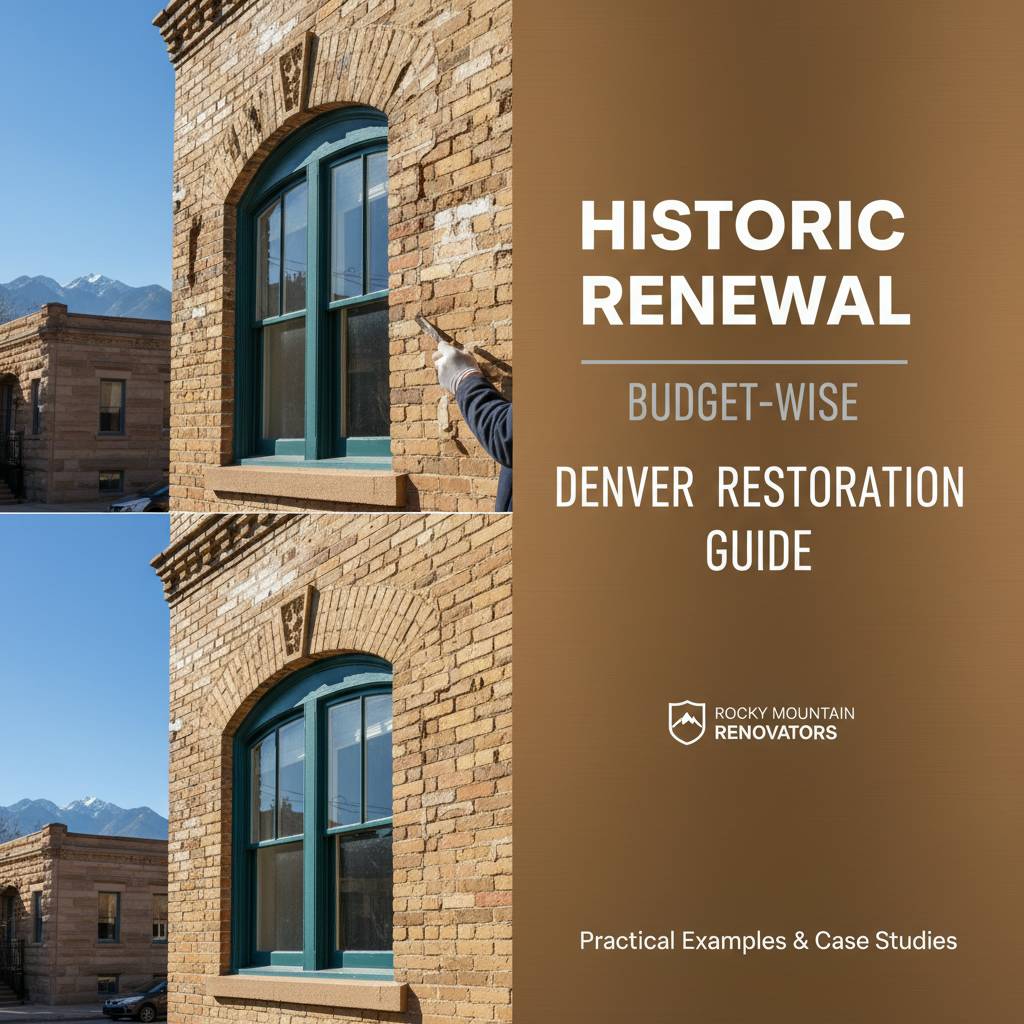
Example 2: A heritage cottage with deteriorating sash windows. Instead of full replacement, the owner worked with a joiner to repair frames, replace sills, and install draught-proofing. The cost was significantly lower than full replacement and maintained original hardware and sightlines. A later addition of discreet secondary glazing further improved comfort and reduced energy costs without altering the faade.
Frequently asked questions
 Q: How do I know what to repair first?
A: Start with safety and weatherproofing: roof, structure, and drainage. Then address issues that cause ongoing deterioration, such as rising damp or leaking windows. A simple condition report helps rank items by urgency and budget impact.
Q: Are modern materials ever acceptable in historic restoration?
A: Yes-when carefully chosen to be compatible and reversible. Modern materials that improve durability and energy performance can be appropriate if they do not trap moisture or visually compromise the historic fabric. Consult a conservation-minded specialist to select suitable options.
Next steps and how can help
If you're planning a restoration, start with a concise condition survey and a prioritized action plan. provides practical, budget-focused recommendations and can help you phase work to match your finances while protecting high-value heritage elements. We emphasize repairs that offer the highest preservation return on investment and can recommend trusted local tradespeople experienced in historic methods.
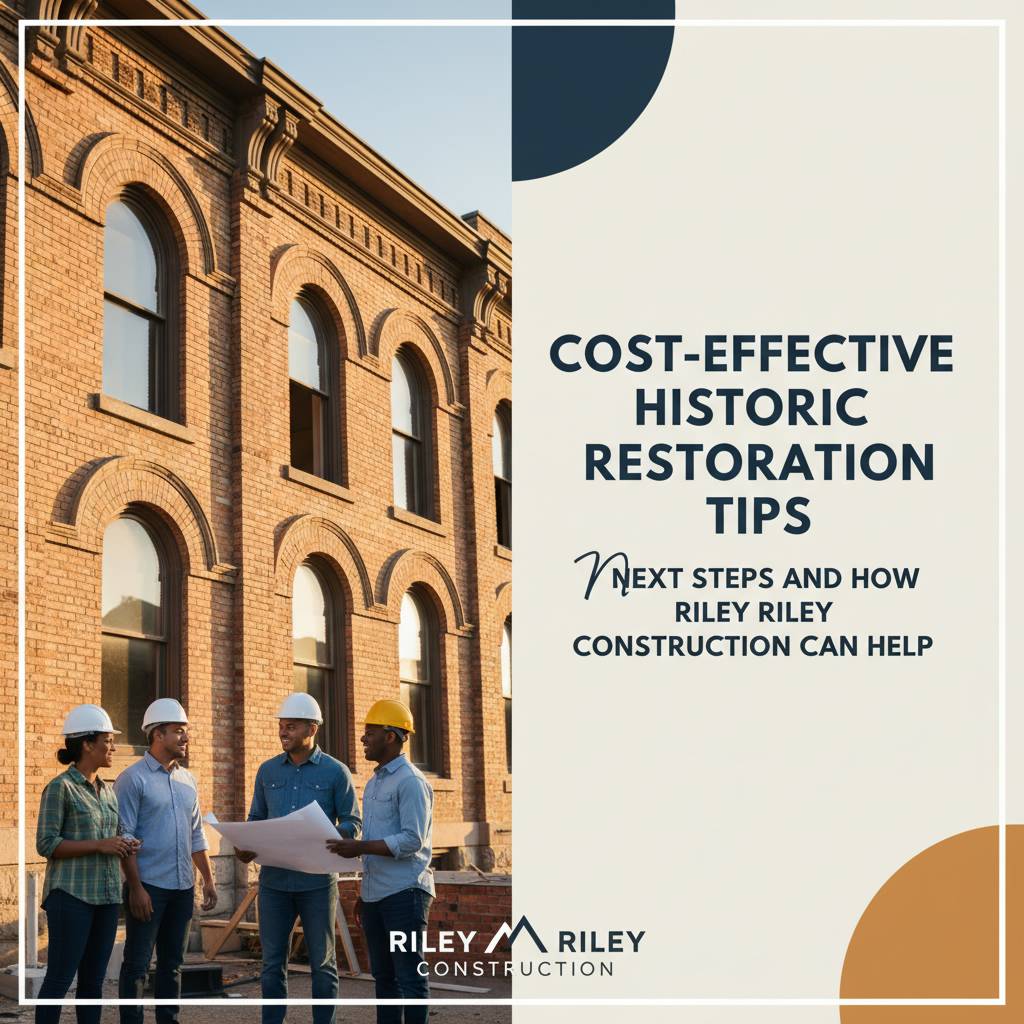
For a focused consultation and prioritized recommendations, contact at . We'll help you identify the critical interventions, suggest cost-saving material and labor strategies, and develop a sensible maintenance plan tailored to your property.
Ready to get started?
Call us for a no-obligation review and prioritized list of restoration tasks. Our goal is to help homeowners complete restorations within budget while ensuring heritage features are respected and retained. Reach out to at for timely, practical advice.