Energy-Efficient Upgrades for Historic Houses
Energy efficient upgrades can lower bills and raise buyer interest in historic houses
Historic homes are full of character: original moldings, plaster walls, tall windows and stories built into their fabric. Yet many of these houses need thoughtful updates to reduce energy bills without destroying the details that make them special. helps homeowners and buyers identify energy-efficient upgrades for historic houses that respect original materials while delivering measurable performance improvements. Whether you're keeping the home or selling, the right retrofit can make it more comfortable, more marketable, and less costly to run.
We take a practical, preservation-minded approach that focuses on interventions with strong payback and minimal visual impact. That means targeting the biggest energy loss points first-like leaky attics, ill-sealed windows, and aging heating systems-while recommending reversible or historically compatible materials. If you want a quick review of options tailored to your house, call and we'll walk you through realistic next steps.
Why retrofit historic homes? Comfort, savings, and value
Upgrading an older house isn't just about energy savings. Comfort improves dramatically when drafts are reduced, humidity is managed, and heating and cooling run more evenly. Owners frequently report that once cold rooms are addressed, the whole house feels more livable. For buyers, an energy-conscious historic home is often more attractive because they anticipate lower operating costs and fewer surprises after purchase.
From a financial perspective, targeted energy-efficient upgrades for historic houses can yield quick returns. Measures like attic insulation, air-sealing, and a high-efficiency boiler or heat pump often pay back in a few years through lower utility bills. For sellers, documented upgrades can support a higher asking price and faster sale. For stewards of heritage properties, wise retrofits extend a building's useful life with sensitivity to original character.
Start with a thoughtful assessment
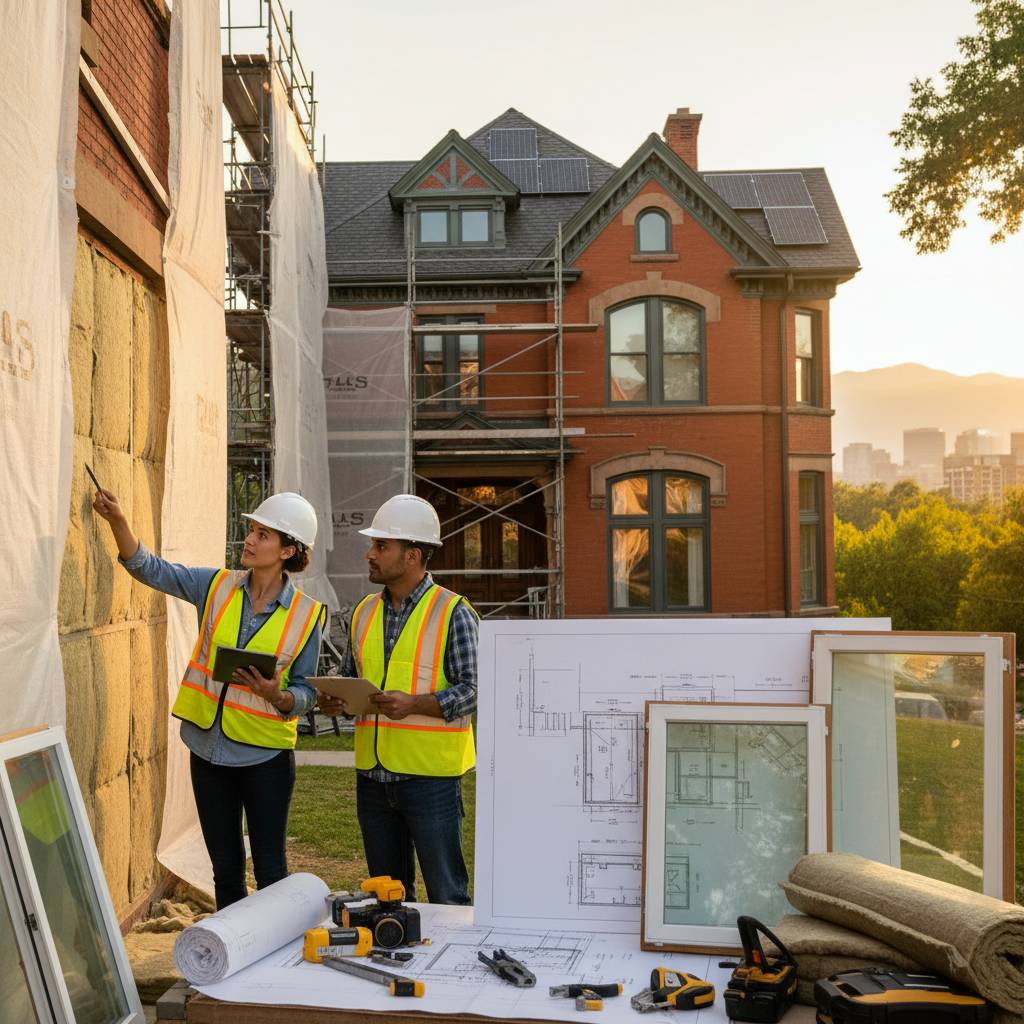 Effective retrofits begin with a clear diagnosis. A whole-house energy audit, ideally including a blower door test and thermal imaging, identifies where heat escapes, where moisture risks exist, and how ventilation performs. These tests give you evidence-based priorities instead of guessing at what to fix. can coordinate audits or interpret results so you know which upgrades will have the biggest impact with the least intrusion.
During assessment we also evaluate historic features and character-defining elements-original windows, decorative plaster, wainscoting, and exterior cladding-so that recommended measures avoid irreversible changes. Preservation-friendly strategies often emphasize repair over replacement, layered interventions (for example, attic insulation plus a small window retrofit), and reversible approaches when possible. This balance keeps both performance and heritage intact.
High-impact, low-visual-impact upgrades
Some measures deliver large energy savings yet remain virtually invisible to the eye. These are the upgrades we prioritize first because they respect historic fabric while improving performance. Air-sealing gaps around chimneys, behind knee walls, and at attic hatches reduces drafts and lowers heating and cooling loads. Proper attic insulation-added on top of existing material or installed in a way that preserves roof structures-often cuts energy use significantly with no change to the home's appearance.
Other effective, low-visual-impact options include insulating basement and crawlspace walls, upgrading heating system controls, and installing efficient water heaters or heat pumps sized for the house. In many cases, upgrading to a programmable thermostat or adding zoning controls improves comfort and saves money without changing historic finishes. Where windows are still sound, secondary glazing or weatherstripping can enhance efficiency while keeping original sashes and glass intact.
Window strategies that respect original sashes
Windows are a frequent concern in historic houses. Full replacement is rarely necessary and often causes loss of character. Options that preserve historic windows include repairing sash cords and weights, adding high-quality weatherstripping, installing storm windows or interior secondary glazing, and applying discreet low-e films when appropriate. These approaches can reduce heat loss substantially and are reversible, aligning with preservation principles.
- Repair and weatherstrip: extend life and reduce drafts
- Exterior or interior storm windows: improve thermal performance without replacing original sashes
- Secondary glazing: reversible and effective for noise and insulation
Materials, moisture, and maintaining historic fabric
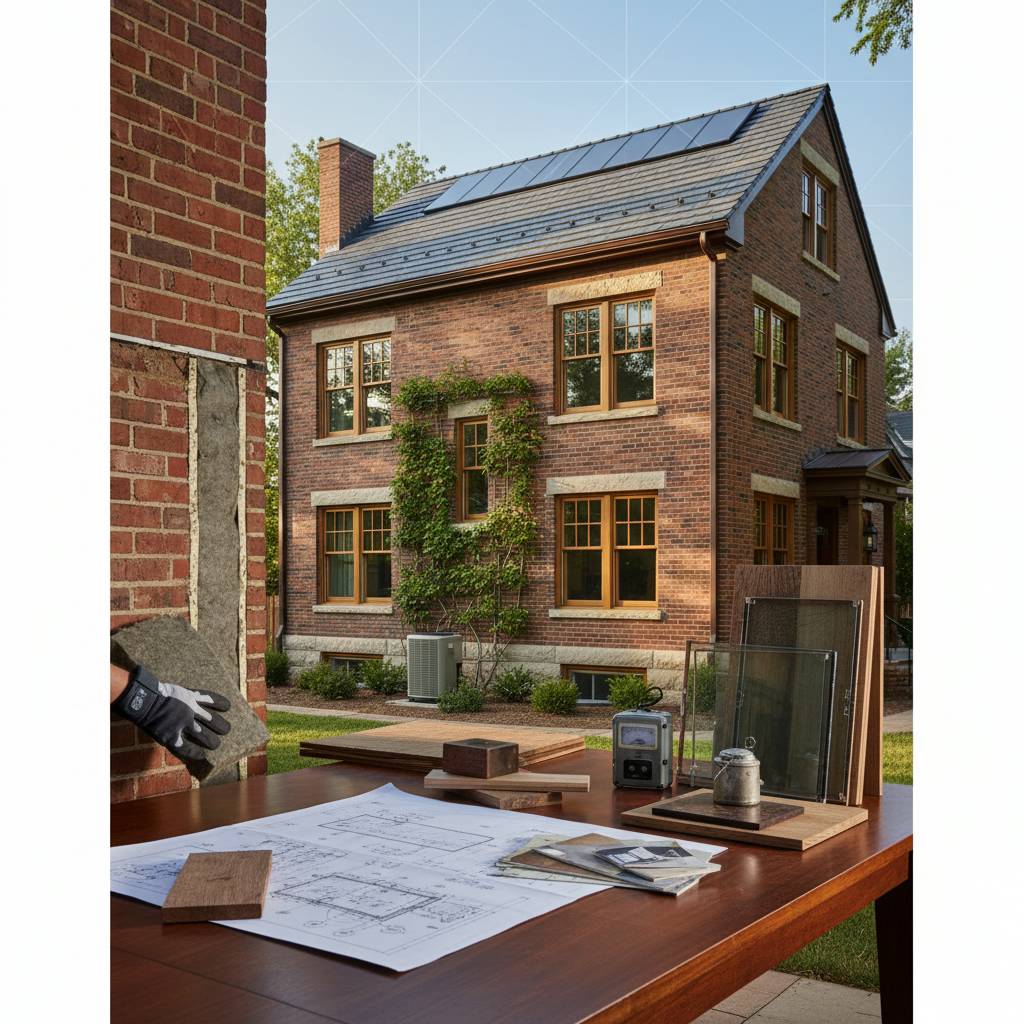 Historic buildings often rely on breathable materials like lime plaster and wood siding. Modern airtight systems or impermeable insulation can trap moisture and harm original materials. That's why material compatibility matters. We evaluate how proposed insulation, vapor barriers, and cladding interact with existing assemblies so you avoid unintended damage. For example, using vapor-open insulation systems in thick masonry walls preserves the wall's ability to dry out and prevents salt staining or plaster failure.
In many projects we recommend incremental, reversible changes: remove localized sources of moisture, improve ventilation where needed, and install breathable insulation in sensitive assemblies. Repointing masonry with compatible mortar, repairing roof flashings, and ensuring proper site drainage are often high-priority actions that protect both energy performance and historic fabric. The goal is to enhance durability, not just efficiency.
Heating, cooling, and ventilation upgrades
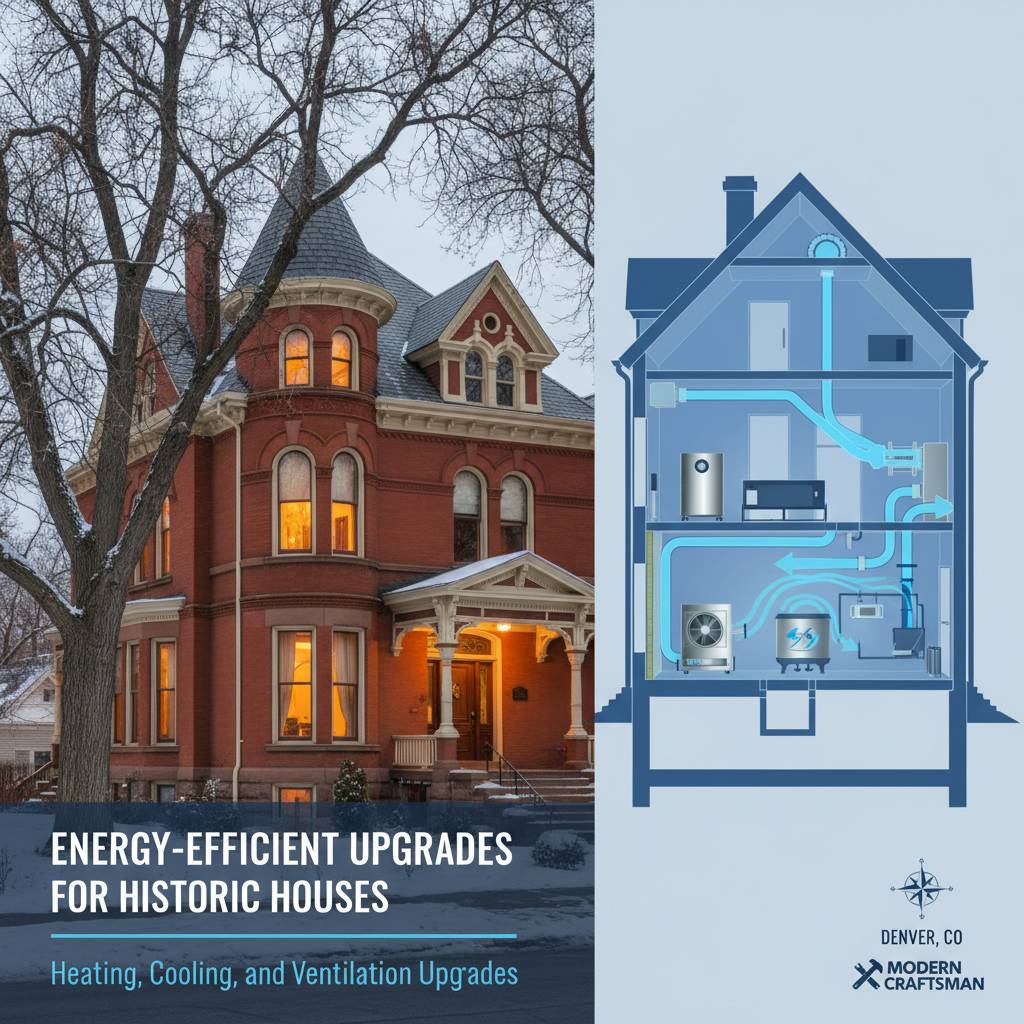 Replacing an outdated boiler or furnace with a modern, efficient system can cut energy use considerably, but selection should consider the building's scale and character. High-efficiency modulating-condensing boilers, ductless heat pumps, and compact central heat pumps are common solutions for historic homes because they can be installed with minimal disruption to interiors and exteriors. and our team often explore options that avoid large duct runs or intrusive ductwork when possible.
Ventilation is also crucial. Upgrading to a balanced ventilation strategy-such as a heat-recovery ventilator (HRV) or energy-recovery ventilator (ERV)-improves indoor air quality while conserving energy. These systems are especially valuable after air-sealing, because they maintain fresh air without wasting heat. We work to conceal ductwork and equipment in basements, attics, or closets to keep visual impact low.
Costs, incentives, and expected payback
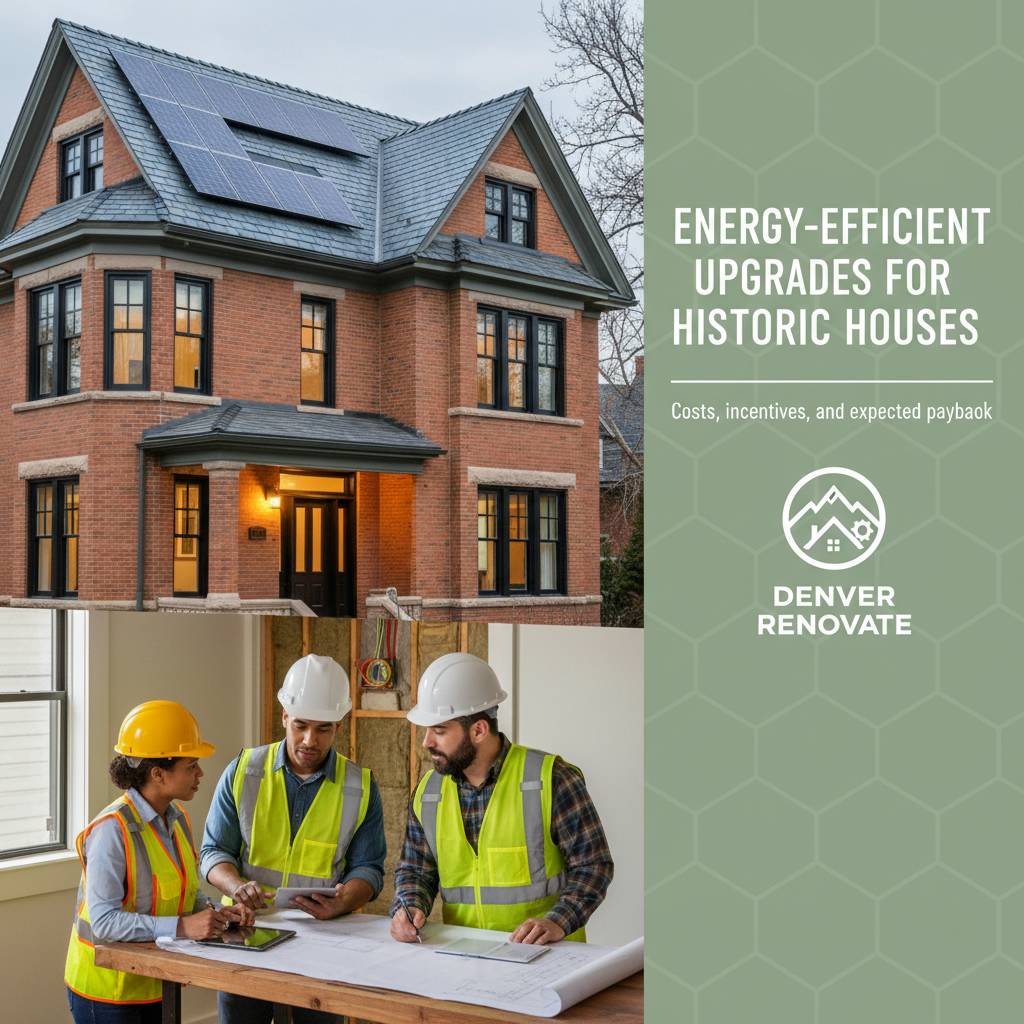 Costs for energy-efficient upgrades for historic houses vary by measure, house size, and accessibility. Below is a simple comparison table with typical ranges and estimated simple payback assuming average energy prices. These are ballpark figures to help set expectations; exact numbers depend on your specific home and local incentives.
| Upgrade | Typical Cost Range | Estimated Payback |
|---|---|---|
| Attic insulation and air-sealing | $1,200-$6,000 | 3-7 years |
| Window weatherstripping & storm windows | $75-$200 per window | 4-10 years |
| High-efficiency boiler or heat pump | $5,000-$18,000 | 5-12 years |
| Crawlspace or basement insulation | $1,500-$7,000 | 4-8 years |
| HRV/ERV ventilation | $2,000-$6,000 | 5-10 years |
Incentives and rebates can dramatically shorten payback periods. Federal tax credits, state and utility rebates, and preservation-focused grants are available in many areas. We help owners identify applicable programs so the real out-of-pocket cost is lower than the sticker price. In many cases, combining measures (like insulation plus heating upgrade) increases total savings and reduces overall payback time.
Practical project sequencing and contractor selection
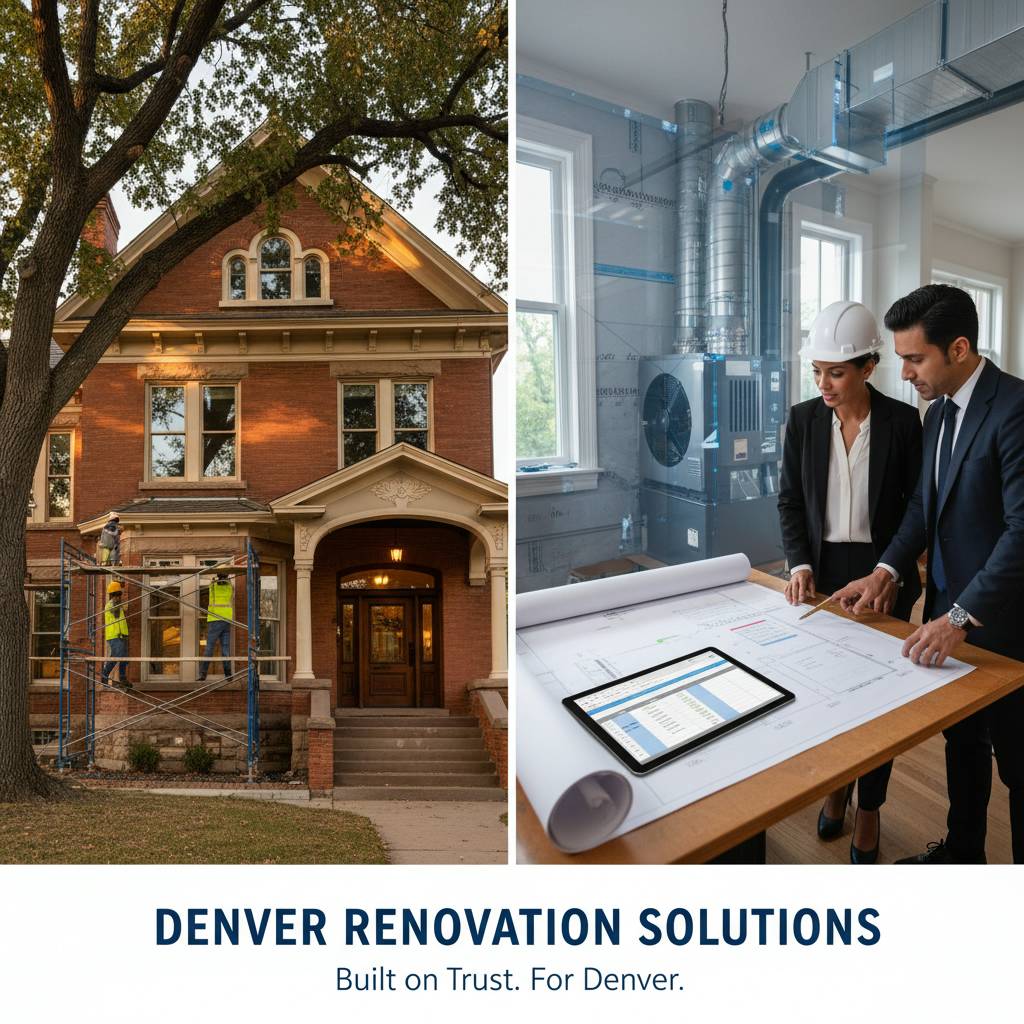 How you sequence improvements matters. We typically recommend addressing moisture and air leaks first, then insulating, and finally upgrading heating and ventilation systems. This order prevents new insulation from trapping moisture or being undermined by a leaky building envelope. A well-sequenced plan reduces rework and keeps the project predictable and budget-friendly.
Choosing contractors who understand both energy retrofits and historic buildings is essential. Look for experience with preservation projects, ask for references, and request a clear scope that identifies which historic elements will be protected. can recommend vetted contractors and help you review proposals, ensuring the work adheres to preservation best practices while delivering energy performance.
Real examples: modest interventions, strong outcomes
Case study: A 1908 four-square in a cold climate had high energy bills and cold upstairs bedrooms. A targeted approach-air-sealing the attic, adding insulation to the attic floor, repairing original windows, and installing a high-efficiency boiler-reduced annual energy costs by roughly and improved comfort dramatically. The exterior appearance was unchanged and the owners recouped costs in under seven years thanks to energy savings and a local rebate.
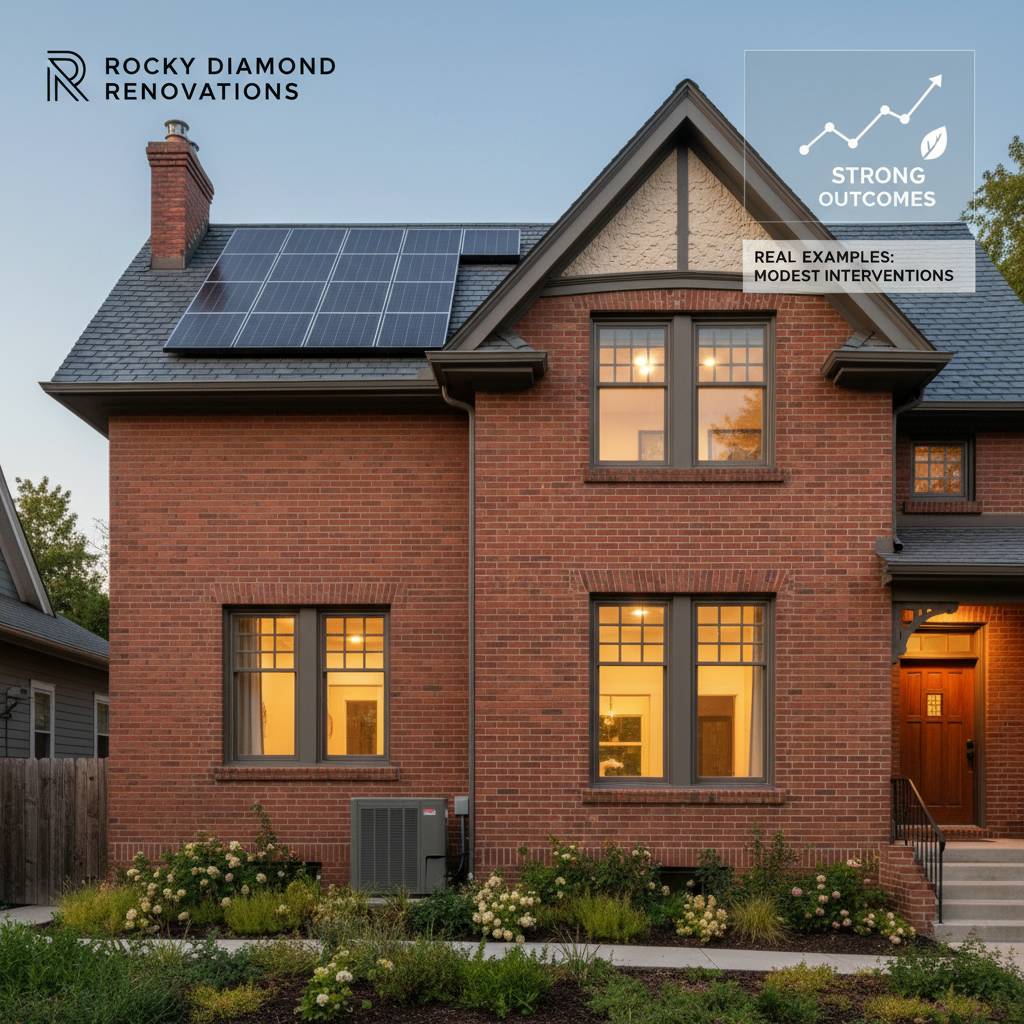
Case study: A rowhouse with solid brick walls saw excess dampness and heat loss. We focused on repointing, improving roof flashings, and insulating the basement and roofspace with breathable materials. The interventions stopped moisture migration and lowered heating bills, while preserving the interior plaster and original exterior brick. Buyers later commented that the house felt taken care of, which helped it sell more quickly than similar properties nearby.
Frequently asked questions
Will insulating my attic damage historic roof lines?
Generally no-adding insulation at the attic floor preserves roof form and appearance. Problems arise when insulation is installed in ways that change roof ventilation or load. We recommend approaches that maintain historic roof assemblies and ensure proper ventilation paths so insulation does not cause condensation or rot.
Are replacement windows ever the right choice?
Sometimes, especially when sashes are beyond repair or energy loss is extreme and storm windows are impractical. But replacement should be a last resort. When needed, choose windows that match the original profiles, maintain muntin patterns, and use compatible materials. Documenting the original windows and salvaging historic elements can retain some heritage value.
How disruptive are these retrofits?
Many measures-air-sealing, attic insulation, window repairs-are relatively quick and low-disruption. Larger upgrades, like replacing a heating system, require more coordination but can be planned to minimize interruption. We work with homeowners to sequence work around occupancy needs and to protect historic finishes during construction.
Next steps and how we help
If you're curious about specific upgrades for your house, start with a focused energy audit or a site visit. will evaluate your home's priorities, estimate costs and savings, and recommend a preservation-minded package of improvements tailored to your goals-whether that's comfort, lower bills, or selling with stronger buyer interest. Our plans are practical, reversible where possible, and designed to protect historic character.
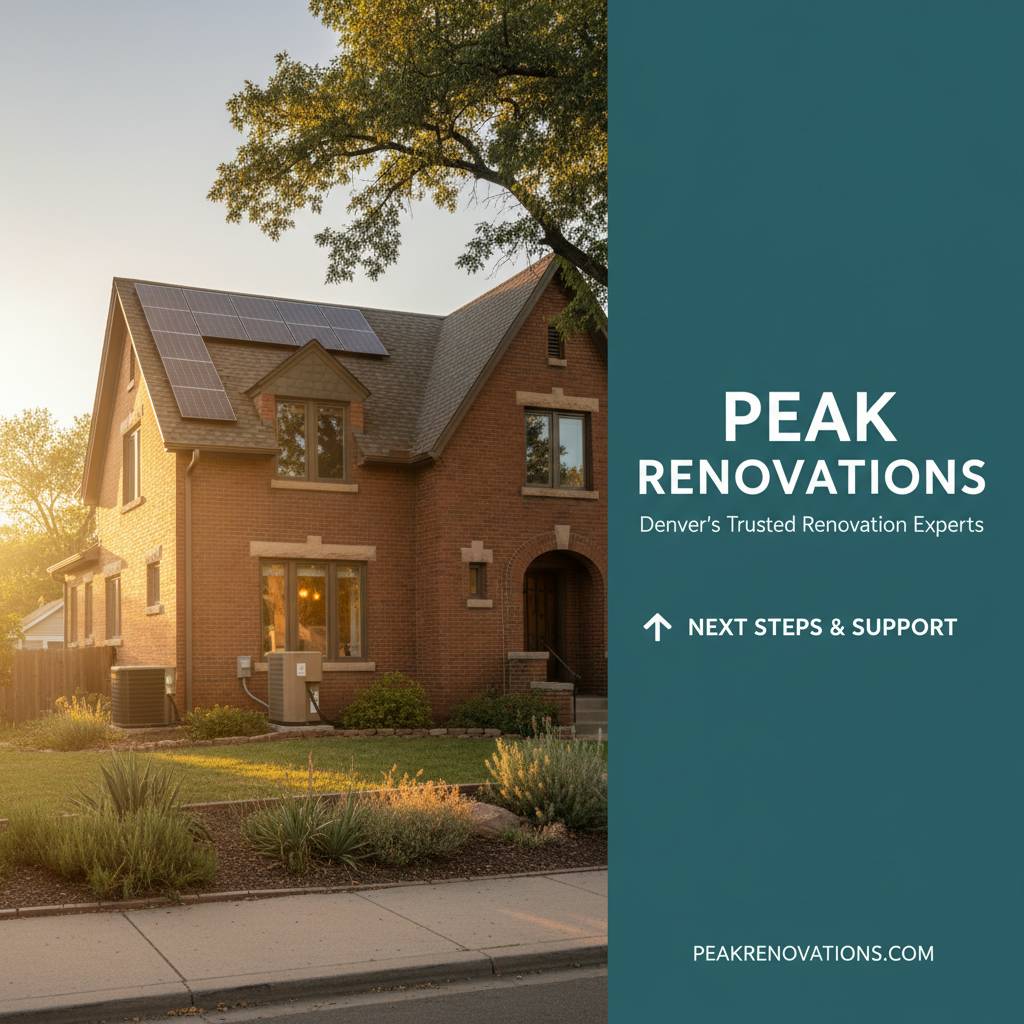
For a quick consultation or to schedule an on-site assessment, call . We'll explain what to expect, outline potential incentives, and help you choose the most cost-effective measures that won't compromise craftsmanship or appearance.
Ready to make your historic home more comfortable and energy efficient?
Contact to review retrofit options that respect your home's history and improve performance. Give us a call at and we'll get started with a straightforward plan that prioritizes strong payback and minimal visual impact.