Finding Value-Driven Historic Renovation Contractors
Finding contractors who understand both value and preservation is essential for success. maintains a vetted network of contractors with proven historic expertise. Call to be connected with recommended professionals. We ensure firms deliver quality work that improves resale outcomes.
When you're focused on finding value-driven historic renovation contractors, the stakes are different than a typical remodel. You need teams who respect original materials, understand long-term resale implications, and can balance cost with conservation. At , we've seen projects succeed when contractors combine practical budgeting with preservation-first techniques - and we make those connections for you.
It's natural to want reassurance that the professionals you hire will protect both your investment and the character of the property. This page is a practical guide to what to look for, how to evaluate prospective firms, and how to work with contractors so that the finished project adds measurable value while honoring historical features. We'll walk through qualifications, cost expectations, and the hiring steps that reduce risk.
Why value and preservation must work together
Preservation without regard for cost can drain a budget and strain timelines, while value-driven work that ignores historical character can reduce the property's appeal to buyers who appreciate heritage. The goal is to find a middle ground: targeted conservation that maintains defining features while investing in upgrades that buyers notice. A smart contractor will offer repair-first solutions, suggest selective replacements only where necessary, and recommend modern upgrades that respect the original fabric.
Value-driven preservation also protects long-term resale. Buyers of older homes look for authenticity: original moldings, sash windows, and period plaster can be key selling points. Contractors who know how to repair instead of replace often save money and preserve those attributes. That's why the phrase finding value-driven historic renovation contractors matters - it reflects the dual priorities that lead to better market outcomes.
Finally, successful projects prioritize durability and future maintenance. The right contractor will specify materials and methods that minimize ongoing costs, such as breathable paints, compatible mortars for masonry repair, and appropriate flashing to prevent water intrusion. These choices reduce the risk of recurring problems and keep the property attractive to future buyers.
How vets and selects recommended contractors
 Our vetting process blends documented experience with on-the-ground results. We review portfolios, check references specifically for historic work, and confirm that firms understand both conservation principles and modern building systems. We also look for contractors who can clearly explain trade-offs - repairs vs. replacements, period-accurate solutions vs. cost-efficient modern alternatives - so you can make informed decisions throughout the project.
Beyond paperwork, we prioritize demonstrable outcomes: completed projects where buyers noticed preserved features or where resale value was positively affected. When we evaluate a contractor, we ask for before-and-after photos, client testimonials, and contactable references from projects similar in scope and age to your property. That helps ensure recommendations are relevant and reliable.
We keep lines of communication open between homeowners and contractors during the selection stage. That means we help schedule initial walkthroughs, suggest key questions to ask, and provide context about typical costs and timelines. Our role is to connect you with teams that deliver both quality craftsmanship and practical guidance so the project stays on track.
Key qualifications and red flags to watch for
When evaluating contractors, prioritize these qualifications: documented experience on historic homes, familiarity with period materials and methods, willingness to provide detailed scope documents, and a track record of clear communication. Ask for specifics about past projects: what was repaired, what was replaced, and why. Contractors who can explain reasoning in plain language are generally better partners.
Red flags often include overly general portfolios, unwillingness to provide references, or the insistence that replacement is the only option for original elements. Also watch for contractors who avoid discussing long-term maintenance or offer vague cost estimates. A trustworthy contractor will outline options and price ranges and explain how choices affect both authenticity and resale value.
- Essential credentials: demonstrated historic project experience, trade-specific licenses, and insurance.
- Helpful signs: familiarity with local preservation guidelines, strong client references, and a network of reliable subs.
- Warnings: one-man operations without backups for key trades, ambiguous warranties, and high-pressure "must replace now" sales tactics.
Practical checklist: what to ask during initial interviews
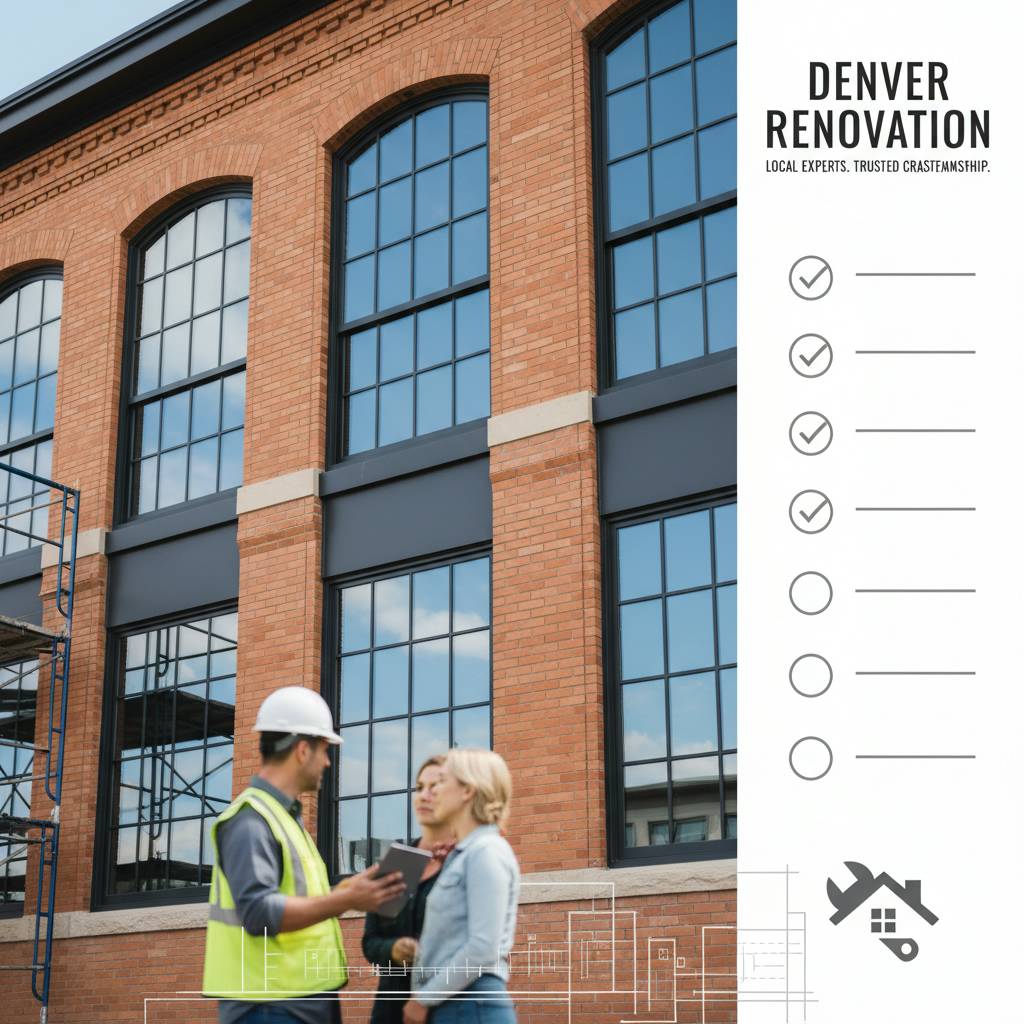 Start every contractor conversation with a concise checklist so you compare responses fairly. Ask how many similar historic projects they've completed in the last three years, whether they provide written scopes and schedules, and how they handle unexpected discoveries typical of older buildings. Contractors familiar with conservation will be comfortable discussing mitigation strategies for surprises like hidden rot or outdated wiring.
Request written estimates that break out material, labor, and contingency costs so you can see where value is being allocated. Good contractors will include recommendations for preserving features that contribute most to resale, such as original flooring, staircases, and fireplace surrounds. They'll also propose modern upgrades-like improved insulation or discreet HVAC updates-that enhance comfort and marketability without visually altering the home.
Finally, clarify communication norms: who will be your point person, how often you'll receive progress updates, and what documentation you'll get at project completion. Clear expectations reduce disputes and help maintain trust between homeowner and contractor.
Budgeting expectations and realistic price ranges
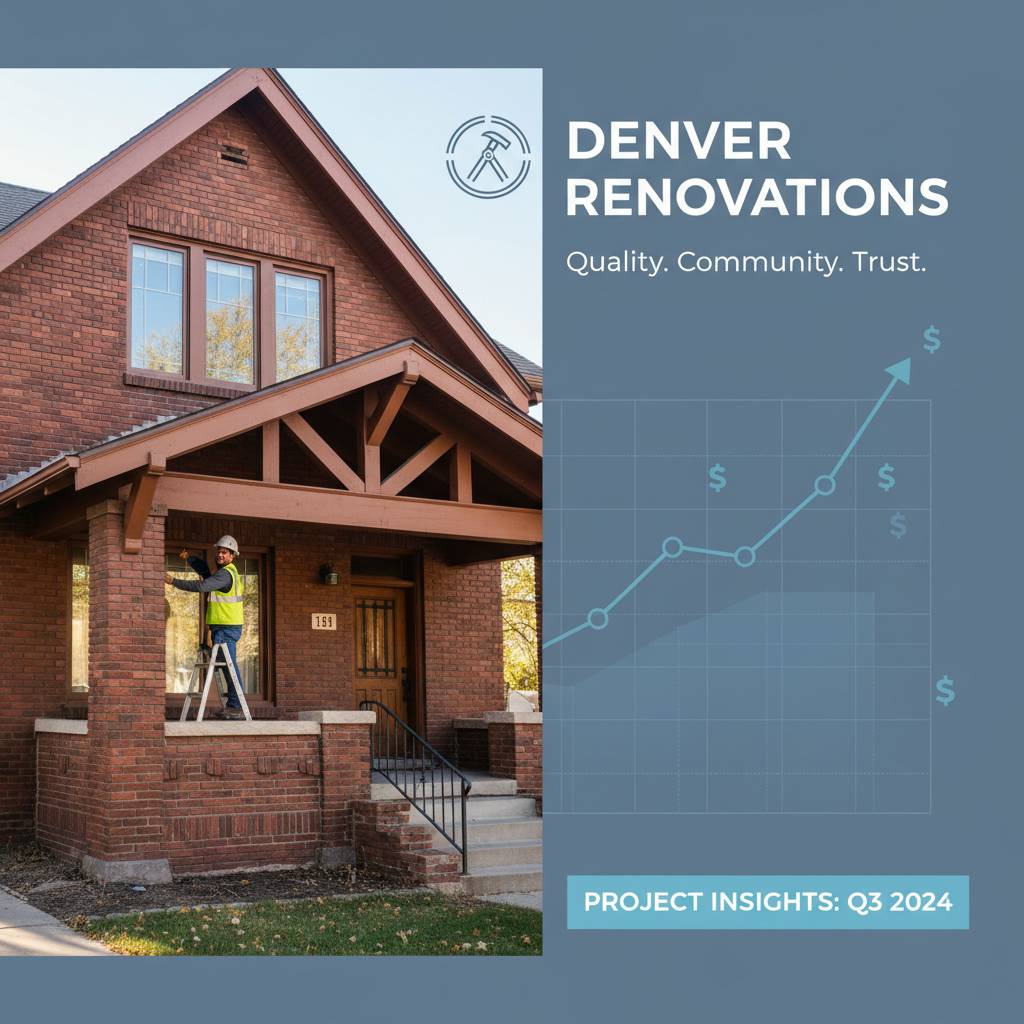 Historic renovation can be costlier than standard remodels because of the need for sensitive methods and occasional custom work. To set realistic expectations, expect some variability: small targeted repairs might run from $75-$200 per linear foot for specialized carpentry or sash restoration, while larger structural or systems upgrades can be several thousand dollars to tens of thousands depending on scope. These figures are general and will vary by region and the building's condition.
It's smart to build contingency into your budget because older properties often reveal hidden issues once work begins. A common approach is to allocate to of the hard construction budget for unforeseen problems. Contractors who understand preservation will identify high-risk areas during pre-bid inspections and recommend pre-emptive testing to minimize surprises and manage costs more predictably.
Value-driven decisions frequently yield the best returns: repairing original windows with weatherstripping and storm sashes can cost far less and maintain curb appeal better than wholesale replacement. Likewise, selectively restoring plaster or millwork preserves character and can be a selling point that helps recoup investment at resale. Your contractor should help weigh short-term costs against long-term value.
Case studies: examples of balanced preservation and value
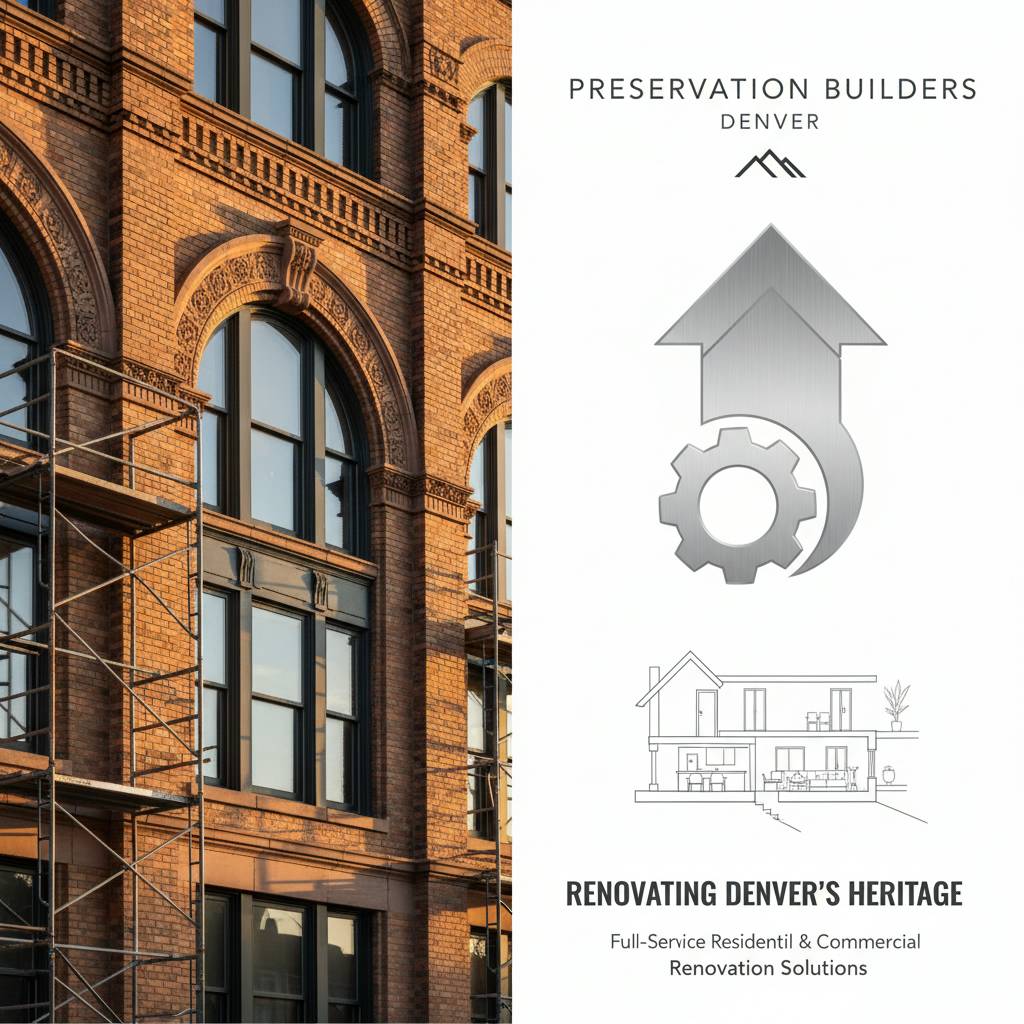 One practical example involved a 1908 bungalow with original woodwork and deteriorating porch columns. The recommended plan focused on repairing original columns where salvageable, replicating only the severely damaged portions, and reinforcing with hidden steel cores where needed. The outcome preserved the historic facade and avoided a full reproduction, saving money and keeping authenticity intact while resolving structural concerns.
In another project, upgrading insulation and discreetly modernizing the heating system provided immediate comfort while maintaining visible historic elements. The contractor suggested cellulose insulation in attic cavities and a high-efficiency boiler tucked into a non-character-defining basement space. The result improved energy performance and market appeal without compromising period details buyers cared about.
These case studies illustrate a consistent lesson: thoughtful trade-offs guided by experienced contractors often achieve both preservation and practical improvement. connects homeowners with pros who employ this kind of thinking, and we can share similar examples when you request referrals.
Step-by-step: how to hire and collaborate successfully
 Begin with a short list of vetted contractors and schedule walkthroughs so each firm assesses the project in person. Compare written proposals that include scope, timeline, materials, and clear pricing. Use your checklist to score responses on technical competence, preservation philosophy, and communication style. That comparative approach helps you make a decision grounded in both expertise and trust.
Once you select a contractor, formalize the agreement in a contract that spells out milestones, payment schedules tied to deliverables, warranty terms, and procedures for handling change orders. Include a holdback clause for final acceptance tied to completion of punch-list items. Contractors who specialize in historic work are used to detailed contracts and transparent change-order practices.
During construction, keep communication steady: weekly check-ins, documented decisions about finishes, and an accessible method for escalating unexpected discoveries. Good contractors will welcome this structure. They'll provide records of any salvaged items, recommended maintenance schedules, and documentation useful for future sale disclosures that highlight preserved historical features and contractor warranties.
Frequently asked questions and quick answers
How long does a historic-focused renovation usually take?
Timelines vary widely depending on condition and scope. Small repairs can take a few weeks, while comprehensive restorations may last several months. Expect reasonable delays when dealing with older materials or when sourcing custom millwork. A conscientious contractor will build realistic time buffers into their schedule and update you promptly when issues arise.
Can modern systems be added without damaging historic character?
Yes. Experienced contractors use strategies like running ductwork in non-visible spaces, selecting compact HVAC options, and using reversible interventions where possible. The objective is to improve livability while keeping character-defining features intact. Ask potential contractors for examples of previous work where modern upgrades were integrated sensitively.
What warranties or guarantees should I expect?
Standard practice covers workmanship and materials for a defined period, often one year for general work and longer for specific elements if manufacturers offer product warranties. For historic repairs, some contractors provide extended guarantees for specialized restoration tasks. Confirm warranty terms in writing and understand what routine maintenance is required to keep warranties valid.
Final steps and how to get started
 When you're ready to move forward, reach out to for a curated list of contractors experienced in balancing cost, conservation, and resale outcomes. We'll match your property's needs to firms with the right technical skills and a preservation-minded approach. If you prefer, ask for when you call so we can provide a tailored introduction based on your priorities.
Before your first meeting, gather any existing documentation - old plans, previous renovation notes, and recent inspection reports - to help contractors give precise feedback. A thoughtful preparatory step often saves time and helps contractors produce more accurate, comparable estimates for you to review.
If you'd like an immediate referral or have questions about specific trades, call us and we'll connect you with vetted professionals who understand how to protect both value and history. Reach out to at and we'll help you take the next confident step toward a successful renovation.
Ready to discuss your project? Contact today to schedule a consultation and get connected to proven contractors who prioritize preservation and resale value.
We look forward to helping you achieve a renovation that respects the past while enhancing future returns. Call at to get started.