
Historic Home Curb Appeal Upgrades That Retain Period Style
Improving curb appeal while retaining period style attracts the right buyers. suggests sympathetic landscaping and faade work that enhance presence. Contact to schedule an assessment. Our solutions increase visual appeal without compromising authenticity.
Every historic property tells a story through its proportions, materials, and details. When buyers search for period homes, they are buying into character as much as structure. That is why carefully considered exterior improvements - often described as historic home curb appeal upgrades that retain period style - are more effective than generic makeovers. approaches each project with respect for original architecture and a practical eye for what will appeal to today's market.
Whether you own a Victorian, Craftsman, Tudor, or Colonial revival, the goal is to amplify the strengths of the house without introducing elements that feel anachronistic. Our team blends preservation-minded techniques with thoughtful design decisions to increase visual appeal, improve first impressions, and draw the right kind of buyer. If you prefer a familiar voice on site, ask for during your consultation; we tailor the process to each property's history and neighborhood context.
Set realistic goals: balancing authenticity and market appeal
Begin any curb appeal project by clarifying objectives: do you want to attract higher offers, reduce time on market, or prepare the home for long-term stewardship? Establishing a clear outcome helps determine the degree of restoration versus enhancement required. In some cases, modest, inexpensive updates achieve the biggest payoffs-cleaning and repainting a porch, reinstating missing trim, or straightening a fence can transform perception without altering historic fabric.
It helps to inventory what is original, what is later alteration, and what is beyond repair. This prioritization guides decisions so that money is spent on interventions that preserve defining features while strengthening the overall presentation. A sensitive intervention mindset reduces risk of overspending on trends that date quickly; instead, you invest in lasting improvements that honor the house's provenance and appeal directly to buyers looking for authenticity.
Assessment and planning: how works with historic properties
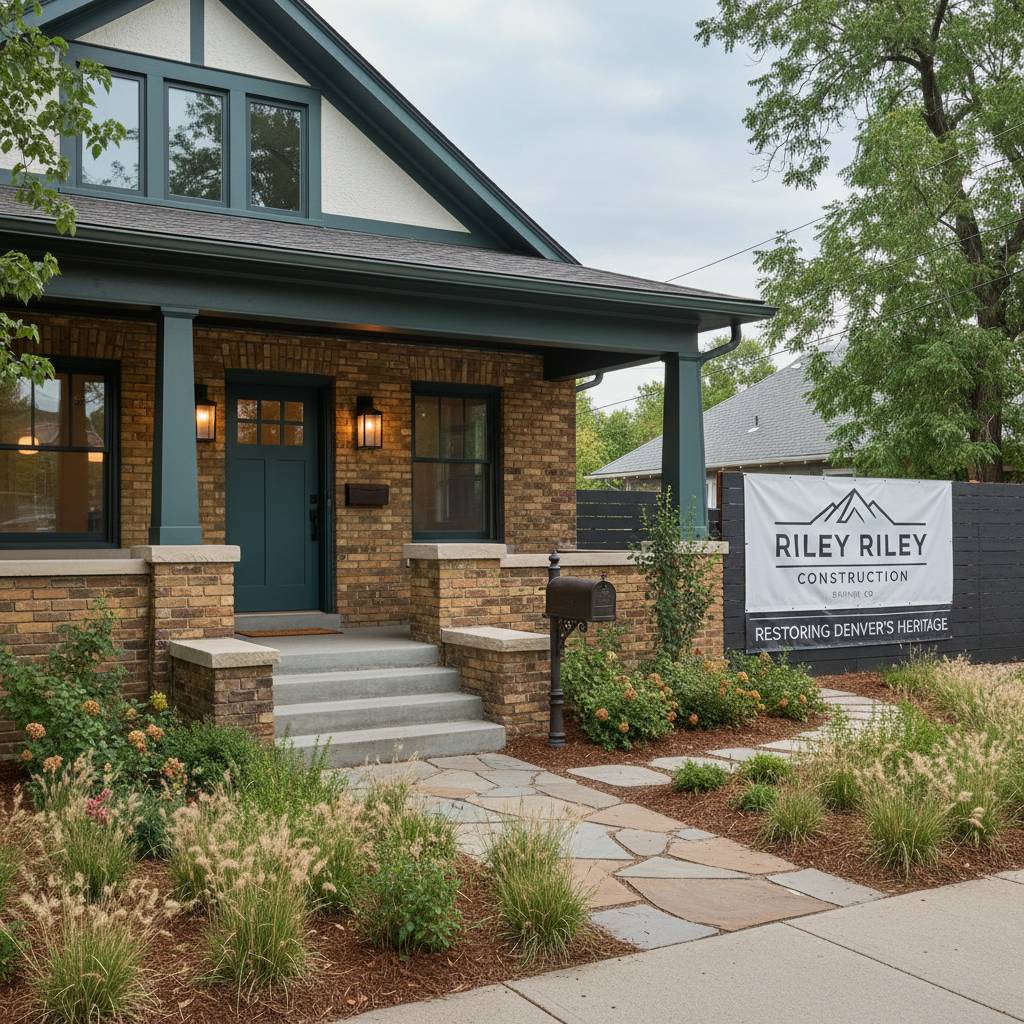 Our process begins with a focused exterior assessment. We document the condition of faades, roofing, windows, porches, steps, gates, and landscape features. Photographs and notes capture both character-defining elements and problem areas-peeling paint, sagging gutters, invasive planting, or inconsistent paving. This baseline enables transparent recommendations and realistic cost estimates so homeowners can make informed choices about restoration priorities.
Site survey and historical context
Understanding how a house originally looked and evolved over time is essential. When available, period photographs, original plans, or local historical records are reviewed to identify missing features that could be sympathetically reinstated. We also assess the streetscape-materials, fence types, and planting palettes common to the neighborhood-so upgrades feel like natural extensions of the local context rather than stand-alone statements.
Practical planning and budgeting
After the survey, we propose a phased plan that aligns with your timeline and budget. Phases commonly include essential repairs, character-focused enhancements, and finishing touches. Typical small-to-medium exterior tasks are estimated so homeowners can weigh options: paint and trim work, gutter repairs, porch stabilization, selective masonry repointing, and planting redesigns. Estimated ranges (example only) help planning: trim repainting $1,200-$3,500; porch repair $1,500-$8,000; selective masonry repointing $500-$3,000.
Faade and architectural details: restore, conserve, or replicate with care
The faade is the first thing buyers notice. Preserving or accurately replicating architectural details-cornices, brackets, mouldings, and original window rhythms-reinforces a property's sense of authenticity. Restoration begins with minimally invasive repairs: consolidating wood, reattaching loose trim, and using compatible materials and profiles. When elements are missing or beyond repair, carefully matched replacements based on period details maintain visual continuity.
Window treatments deserve special attention because windows contribute heavily to style identity. Where original sash windows exist, we recommend repair and weather-stripping before replacement. Retaining historic glass patterns and muntin profiles is often possible at a fraction of the cost of wholesale replacement and keeps character intact. If replacement is unavoidable, choose historically appropriate proportions and finishes to avoid undermining the overall composition.
- Retain original door and surround where possible; refinish rather than replace.
- Repair rather than remove decorative brackets, corbels, and cornice elements.
- Use salvage or custom-milled trim to replicate missing profiles accurately.
- Upgrade lighting with fixtures that complement period styling and enhance evening presence.
Sympathetic landscaping: frame the house without rewriting its story
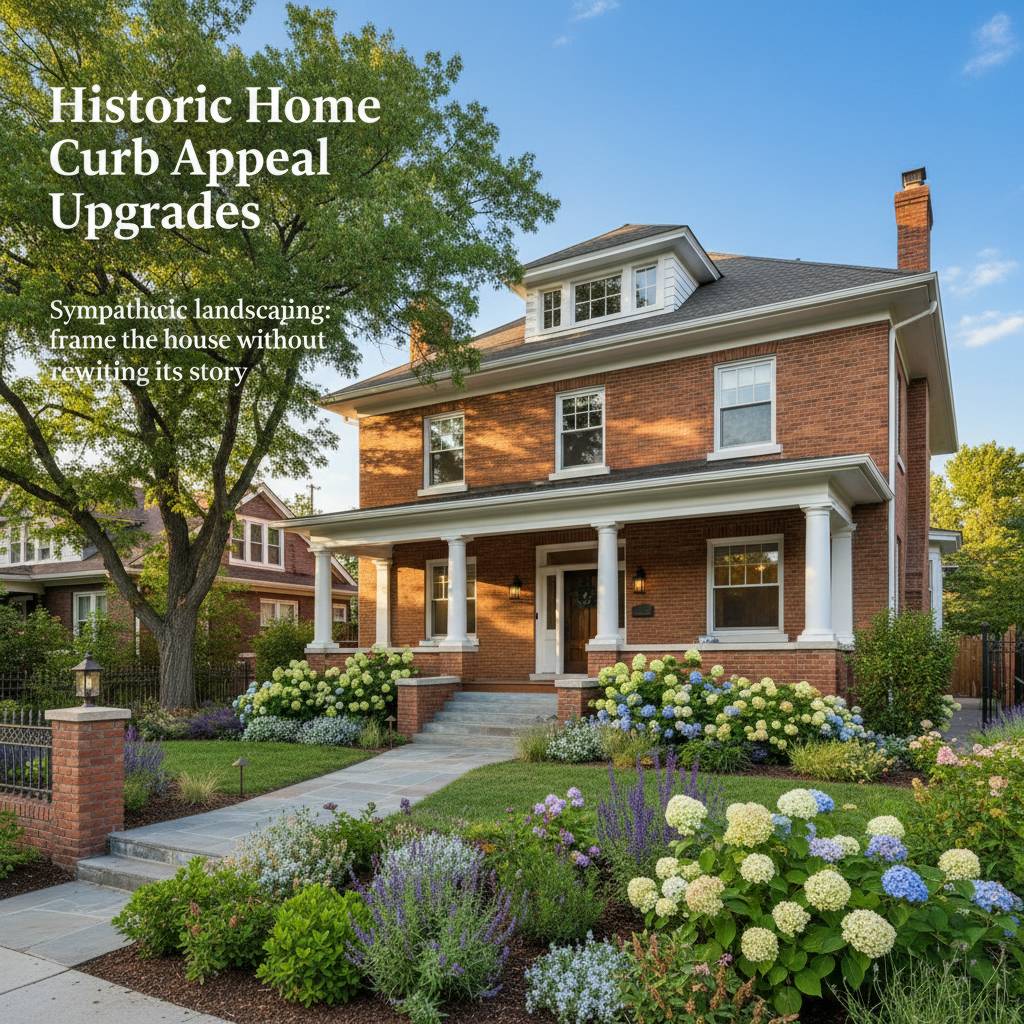 Landscaping should support and frame architectural features, not compete with them. For historic properties, this usually means simple, layered plantings, thoughtfully placed hardscape elements, and a focus on scale. Large foundation plantings that obscure character-defining features should be scaled back to reveal porches, bay windows, and entryways. Introducing native or contextually appropriate shrubs and perennials provides year-round interest while remaining true to the home's period.
Pathways and boundary treatments are critical for curb appeal. A clear, inviting walkway aligned with original entry geometry, edged in appropriate materials-brick, bluestone, or compacted gravel-strengthens approachability. Low stone walls or picket fences often suit older homes better than contemporary metal railings. Materials and patterns should echo historic precedents found on the property or in the neighborhood.
- Create a clear entry sequence with lighting and durable path materials.
- Remove invasive species and replace with low-maintenance, period-appropriate plantings.
- Reinstate historically typical boundary treatments: hedges, picket fences, or stone walls.
- Integrate subtle outdoor lighting to highlight architecture without modern glare.
Materials, finishes, and color: choices that honor period integrity
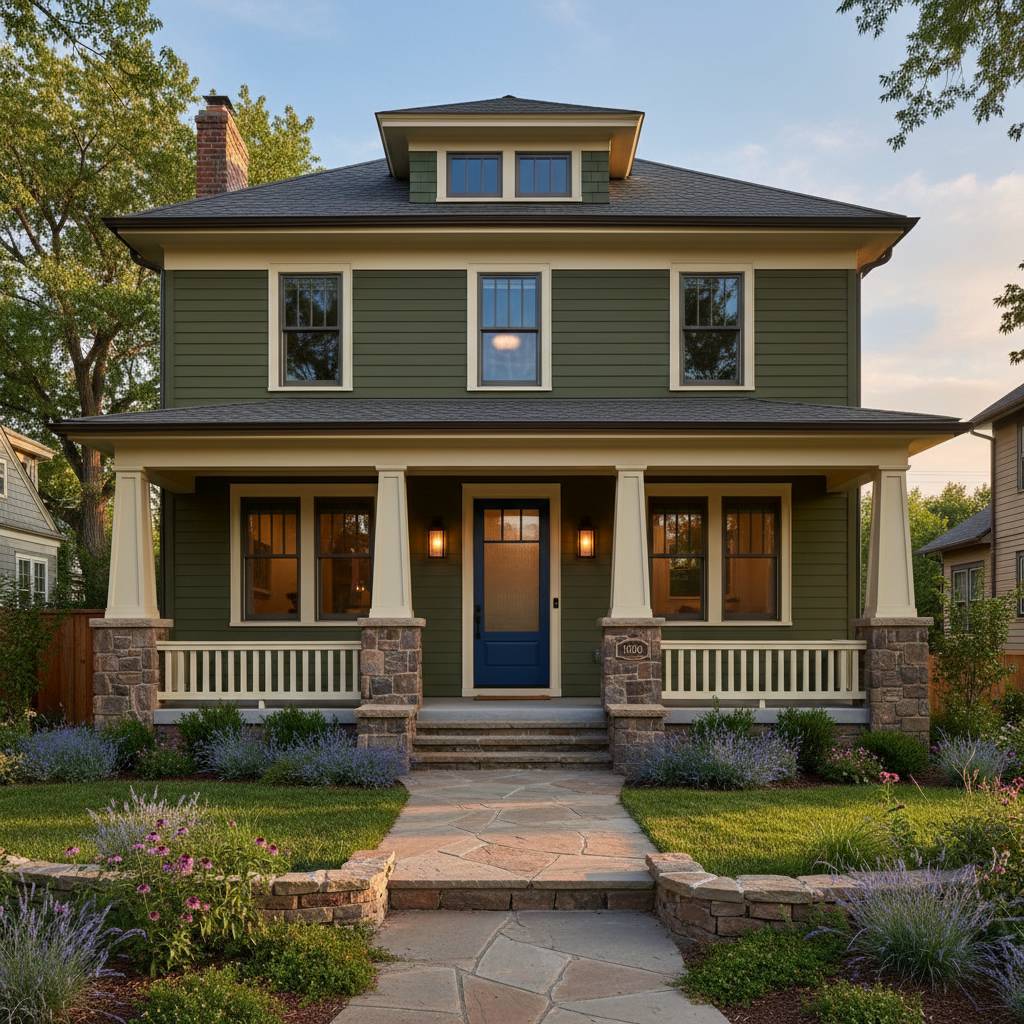 Color and finish decisions are powerful tools for enhancing curb appeal. Historic palettes tend to be more restrained and layered; choosing colors used in the period or gleaned from paint analysis helps the home read as original rather than renovated. For example, a Gothic Revival may favor deep, saturated tones for trim, while a Federal-style house often benefits from muted, earthy field colors. When in doubt, sample several options on a small area and evaluate them in different light.
Material choices should prioritize compatibility. Using modern siding or cladding that obscures original textures or profiles can undermine the perceived value. Where replacement is necessary, use materials that mimic historic grain and scale-fiber cement siding with authentic profiles, sympathetic masonry repointing mortars, and reclaimed or accurately milled wood trim. These decisions contribute to a convincing period-appropriate presentation that buyers can trust.
Practical interventions that add value without fake restoration
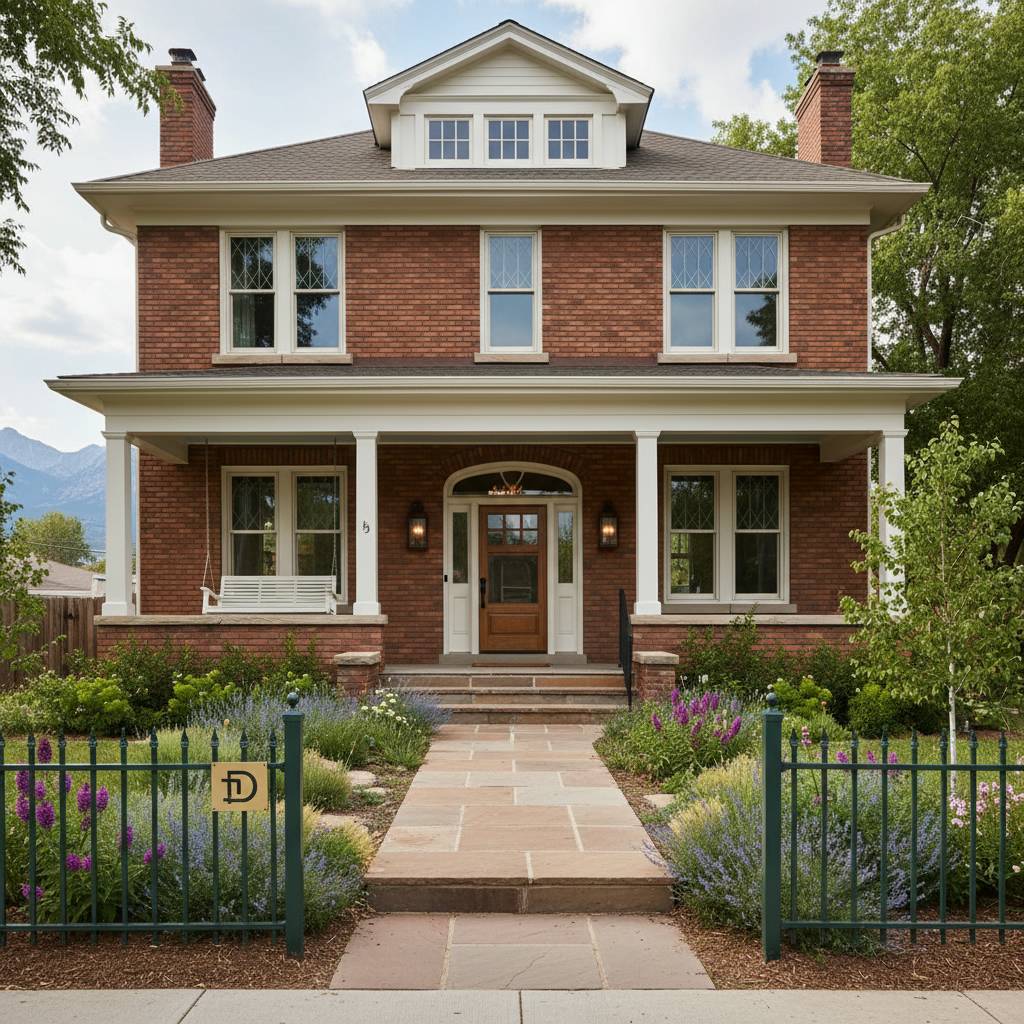 There are many practical upgrades that improve buyer perception without pretending to be original. Updating drainage and gutter systems, repairing rooflines, and improving steps and handrails are investments in longevity and safety. These repairs reassure buyers that the property has been cared for and reduce perceived risk, often translating into stronger offers. Combine these with subtle aesthetic improvements-fresh paint, well-placed lighting, and tidy landscaping-to create a cohesive, confident first impression.
Energy-efficient improvements can be discreet and sympathetic. Add storm windows that are visually compatible, insulate attics and basements, and consider reversible draft-proofing measures. Buyers appreciate the lower running costs and preserved character. When making mechanical or structural upgrades, document the work with photos and receipts: transparency about what was improved builds buyer confidence and can justify higher asking prices.
Case studies: small changes, measurable impact
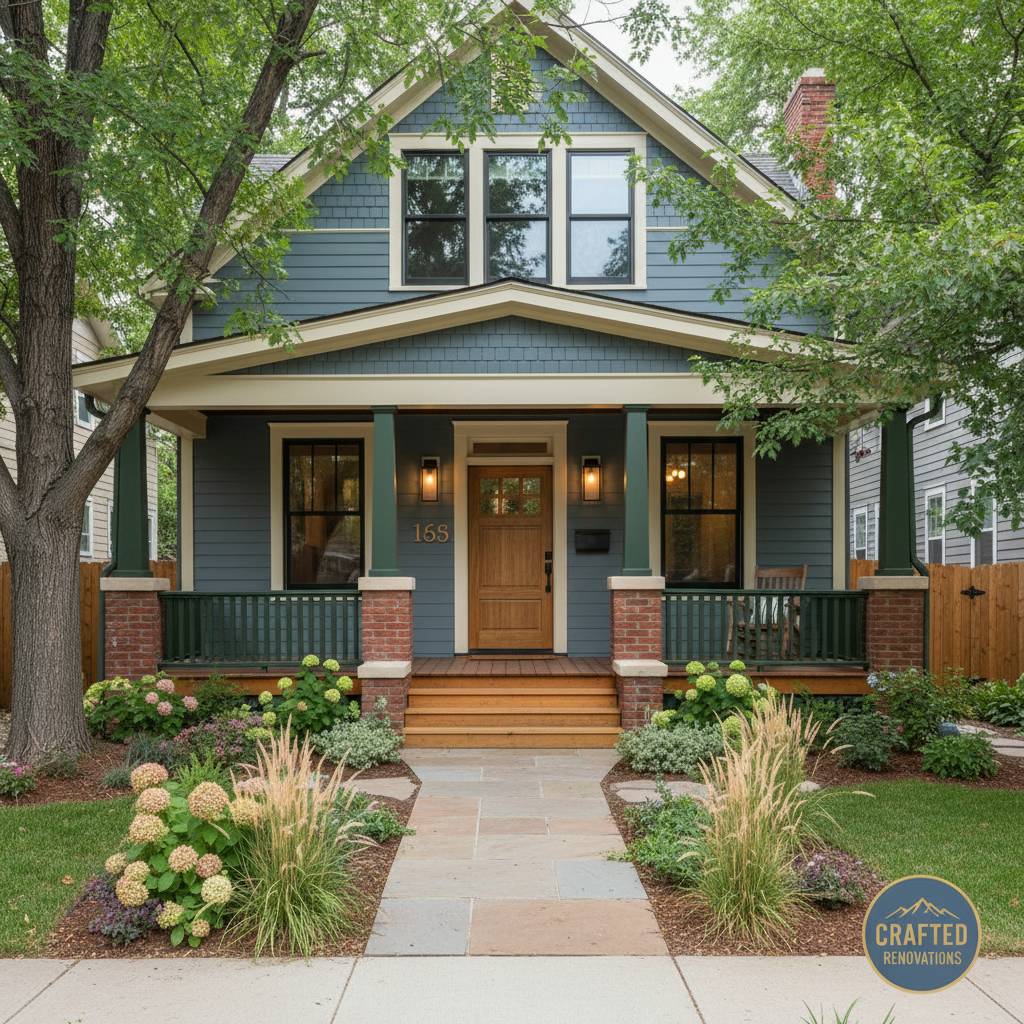 Example 1: A late-19th-century porch was sagging and painted in inconsistent colors. A focused intervention-structural porch repair, replacement of missing balusters with custom-milled profiles, and a cohesive paint scheme consistent with period colors-transformed the entry. The property's curb appeal increased noticeably and drew attention from buyers seeking restored originals, resulting in a contract within weeks after relisting.
Example 2: A bungalow suffered from overgrown foundation plantings and an asphalt path that led to a cramped entrance feel. By removing large shrubs, installing a wider flagstone path that matched historic patterns, and adding low, erasable lighting, the house gained a clear approach that emphasized the porch and windows. The cost was moderate, yet the visual impact and perceived usability of the yard grew significantly.
| Intervention | Typical Cost Range | Primary Benefit | Timeframe |
|---|---|---|---|
| Porch repair and paint | $1,500-$8,000 | Restores entry appeal and structural safety | 2-6 weeks |
| Window repair and weather-stripping | $200-$1,200 per window | Preserves character; improves comfort | 1-4 weeks |
| Selective masonry repointing | $500-$3,000 | Prevents water intrusion; restores texture | 1-3 weeks |
| Sympathetic landscape redesign | $1,000-$10,000 | Frames architecture; increases curb interest | 1-8 weeks |
Common questions homeowners ask
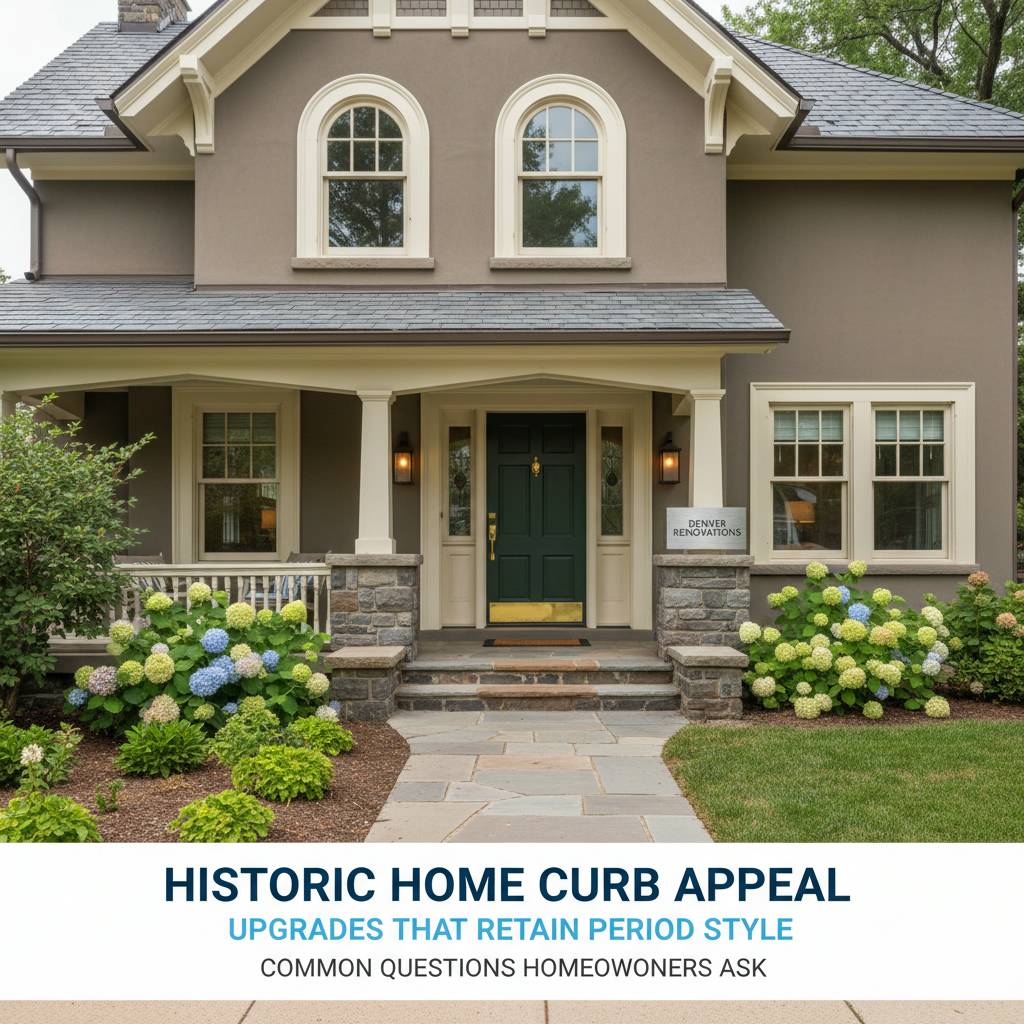
Will preserving original features deter modern buyers?
Generally no. Buyers who appreciate period homes often seek authenticity. Keeping original windows, doors, and trim tends to attract those buyers; others who want modern conveniences appreciate discreet updates that improve comfort and efficiency without erasing character. Properly presented, authenticity is a selling point rather than a liability.
How do I decide what to repair versus replace?
Start by identifying character-defining elements and prioritize their repair. Replace only when elements are beyond practical repair or pose safety risks. When replacement is necessary, choose materials and details that closely match originals. If budget is a concern, phase work so the most visible, high-impact elements are addressed first.
Can we add modern elements without compromising period look?
Yes, if done with restraint. Modern amenities such as lighting, pathway materials, and low-profile security systems can be installed in ways that complement historic fabric. The key is to let modern elements support, not dominate, the composition-think of them as quiet helpers that improve functionality while letting the house's original story remain front and center.
Getting started: practical next steps
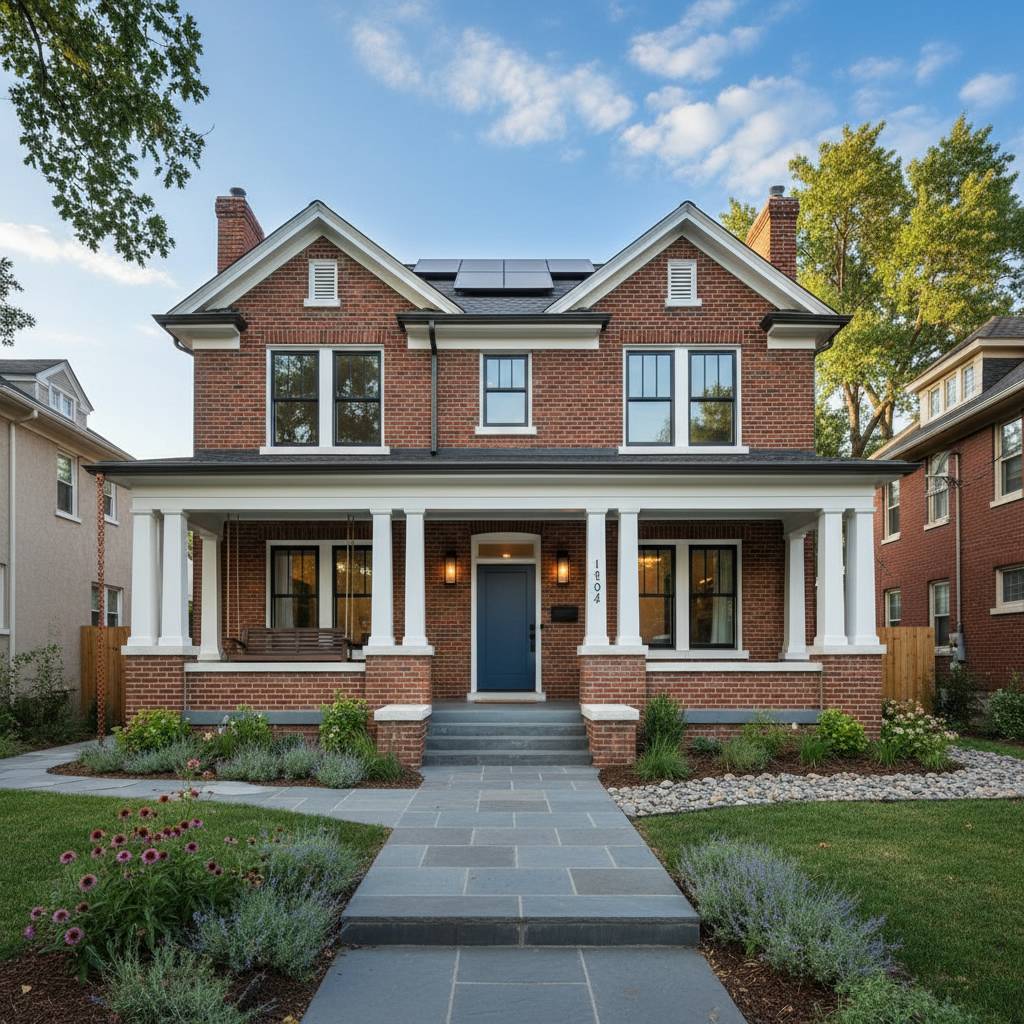 Begin by documenting the existing condition with photographs, then schedule a consultation to discuss goals, constraints, and budget. can perform a site assessment and provide a prioritized plan that includes cost estimates and an implementation timeline. Small, staged improvements often yield the best return, and we'll help you choose the interventions that have the greatest visual and practical impact.
When coordinating work, consider permitting requirements and historic district guidelines if applicable. Respecting local regulations and using qualified tradespeople experienced with period properties reduces surprises and ensures interventions are reversible when possible. This approach protects value and demonstrates stewardship-an attribute many buyers prize highly.
Call to action: Ready to enhance your historic home's curb appeal while keeping its soul intact? Contact to arrange a tailored assessment and receive a clear plan with thoughtful, budget-minded options. Our team will help you choose improvements that speak to buyers who value authenticity and quality.
To schedule an appointment or ask a question, call us at . We look forward to helping you showcase your home's best self-honoring its past while preparing it for the next owner.