Historic Home Value Increase Strategies
This guide outlines proven strategies to increase the value of historic homes while respecting their unique features
Historic homes carry character, craft, and a story that many buyers find irresistible. helps homeowners prioritize upgrades that yield strong returns while preserving original charm. This guide presents practical, proven approaches to historic home value increase strategies, balancing preservation with market appeal so improvements enhance both livability and resale potential.
The recommendations here reflect experience with period properties, typical buyer expectations, and realistic cost-versus-return thinking. Whether you live in a Victorian, Craftsman, Colonial, or mid-century home, the path to increasing value is guided by thoughtful assessment, targeted investment, and respect for historical fabric. Read on for priorities, cost examples, and an actionable roadmap.
Assessing value and character: where to begin
Begin with a focused inventory of what makes your house special and what detracts from its marketability. Document original elements-moldings, staircases, flooring, built-ins, and exterior details-and identify areas that are deteriorated, nonfunctional, or visually inconsistent with the home's period. A careful inventory allows you to protect character-defining features while removing barriers that limit buyer appeal.
Engage a qualified inspector and, when appropriate, a preservation consultant to evaluate structural condition, moisture issues, and historic materials. Early identification of foundation, roof, or rot problems prevents small issues from ballooning into expensive repairs that erode value. Combining a preservation lens with standard home inspection keeps priorities aligned with both longevity and resale value.
Preservation-first upgrade priorities
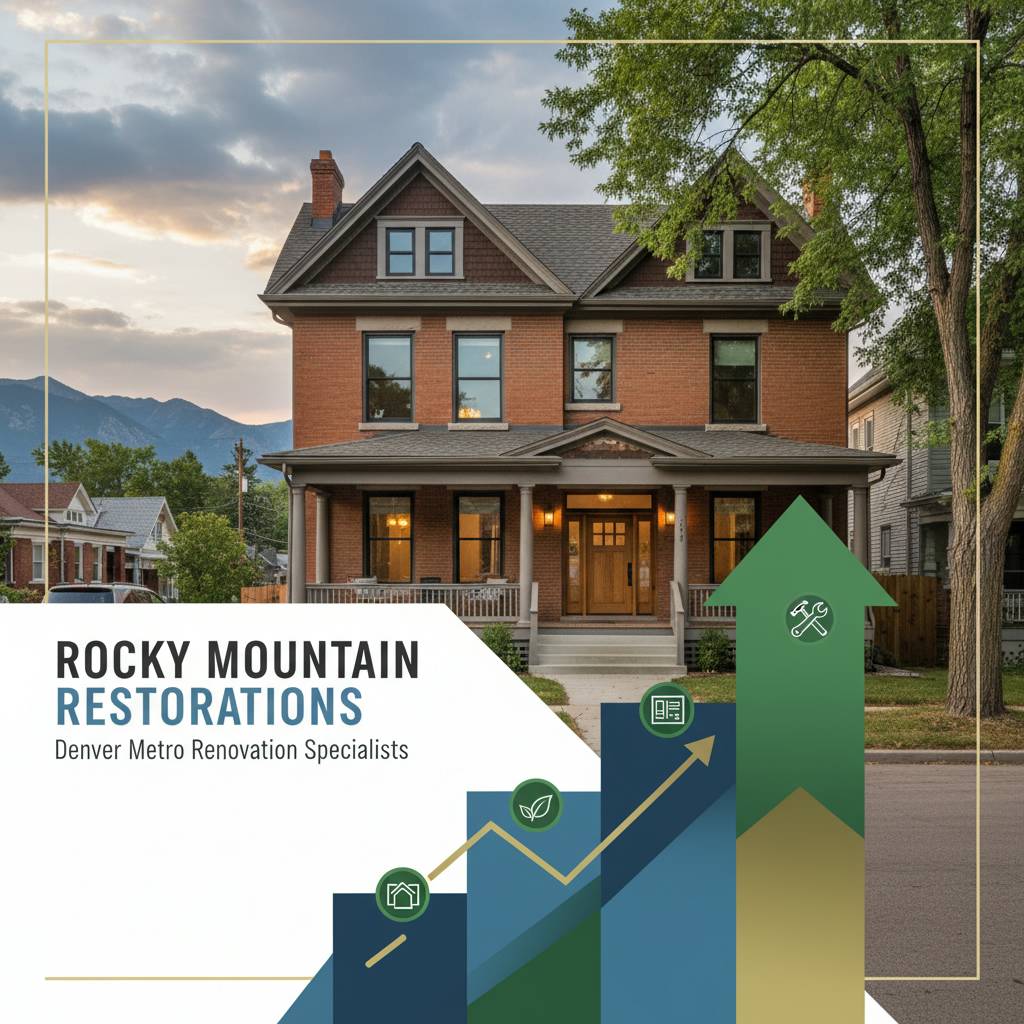 Preservation-first upgrades stabilize and showcase a home's historic features while addressing buyer expectations. Start with projects that protect original materials and restore visual integrity-repair original windows and doors, refinish wood floors, reinstall lost trim where documentation exists, and address plaster or masonry deterioration. These actions emphasize authenticity and are often cost-effective compared with full replacements.
When replacement is unavoidable, choose interventions that match original materials and appearance. Well-chosen reproductions or sensitively integrated modern alternatives can maintain architectural consistency and avoid diminishing the home's perceived value. In many markets, buyers will pay a premium for homes that feel authentic and well cared for, making preservation-focused investments smart value-enhancing moves.
Window and door strategies
Historic windows are central to character but often criticized for energy performance. Prioritize repair and weatherstripping; add interior storm windows when appropriate to improve efficiency without losing original sash. If replacement is required, select historically appropriate profiles with high-performance glazing. Similarly, preserve original doors and hardware when possible, restoring them to working condition rather than replacing with generic alternatives.
Modern systems and comfort without compromising character
Upgrading mechanical systems is among the most persuasive ways to increase value because it reduces buyer uncertainty. Focus on heating, cooling, plumbing, and electrical systems that meet contemporary expectations. Upgrades should be executed in ways that minimize damage to historic fabric-route new wiring through non-invasive channels, use compact HVAC systems designed for older homes, and select period-appropriate venting and grilles where visible.
Energy upgrades also matter: insulation, efficient boilers or furnaces, and discreetly located heat pumps improve comfort and utility costs while appealing to cost-conscious buyers. Present these improvements as thoughtful enhancements that respect the home's fabric; documentation and warranties add buyer confidence and directly support higher resale prices.
Curb appeal and landscape strategies that respect history
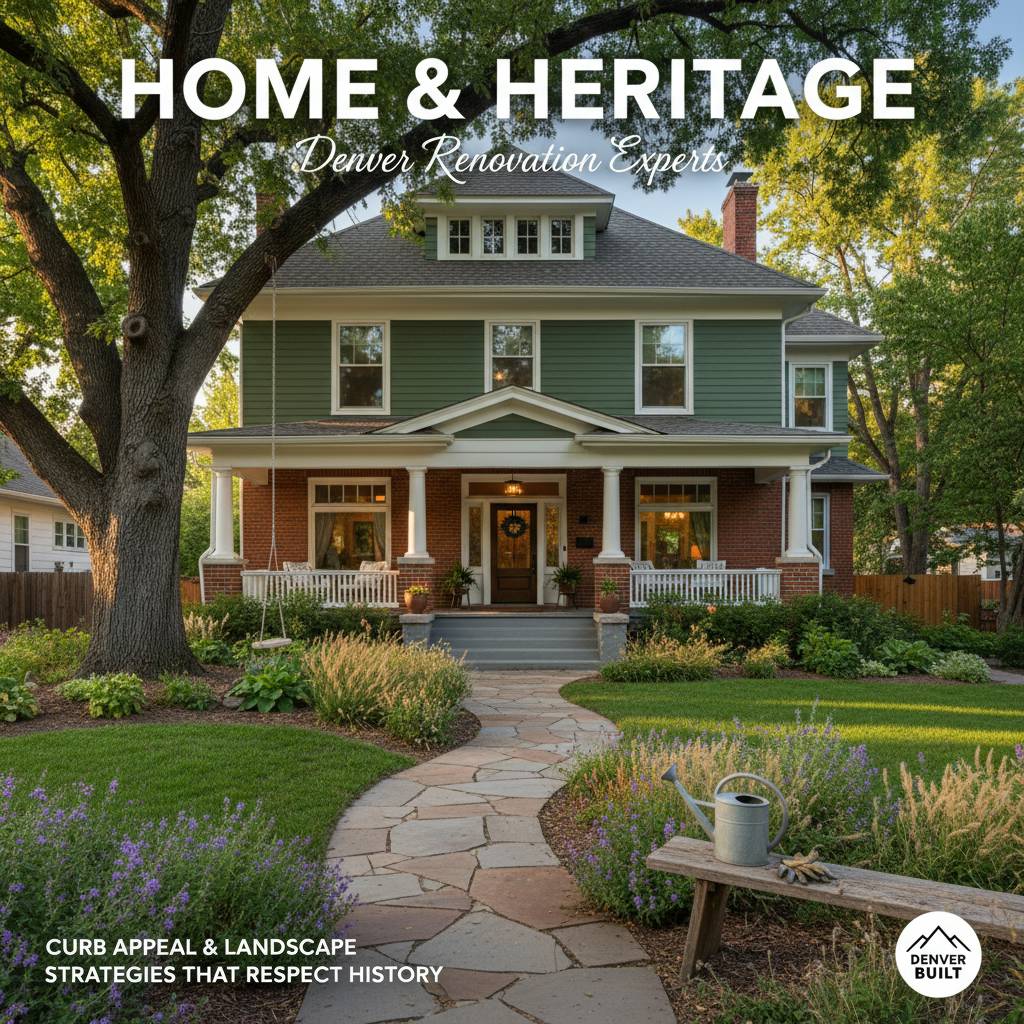 First impressions begin at the street, and historic homes benefit from landscaping and exterior work that complement original design. Simple, maintenance-focused improvements-repointing visible mortar, repairing porch railings, repainting with historically appropriate colors, and restoring original light fixtures-generate outsized returns. Attention to scale, plant palette, and materials preserves a sense of time and place that buyers find attractive.
Consider hardscape repairs that improve usability and safety without overpowering historic context. Replacing cracked walkways, fixing driveway grading, and stabilizing retaining walls are practical upgrades that protect the home and enhance curb appeal. For cost planning, small-scale landscape refreshes commonly range from $1,000-$8,000 depending on scope, but even modest investments often pay back in perceived value and faster sale timelines.
Financial considerations, incentives, and expected returns
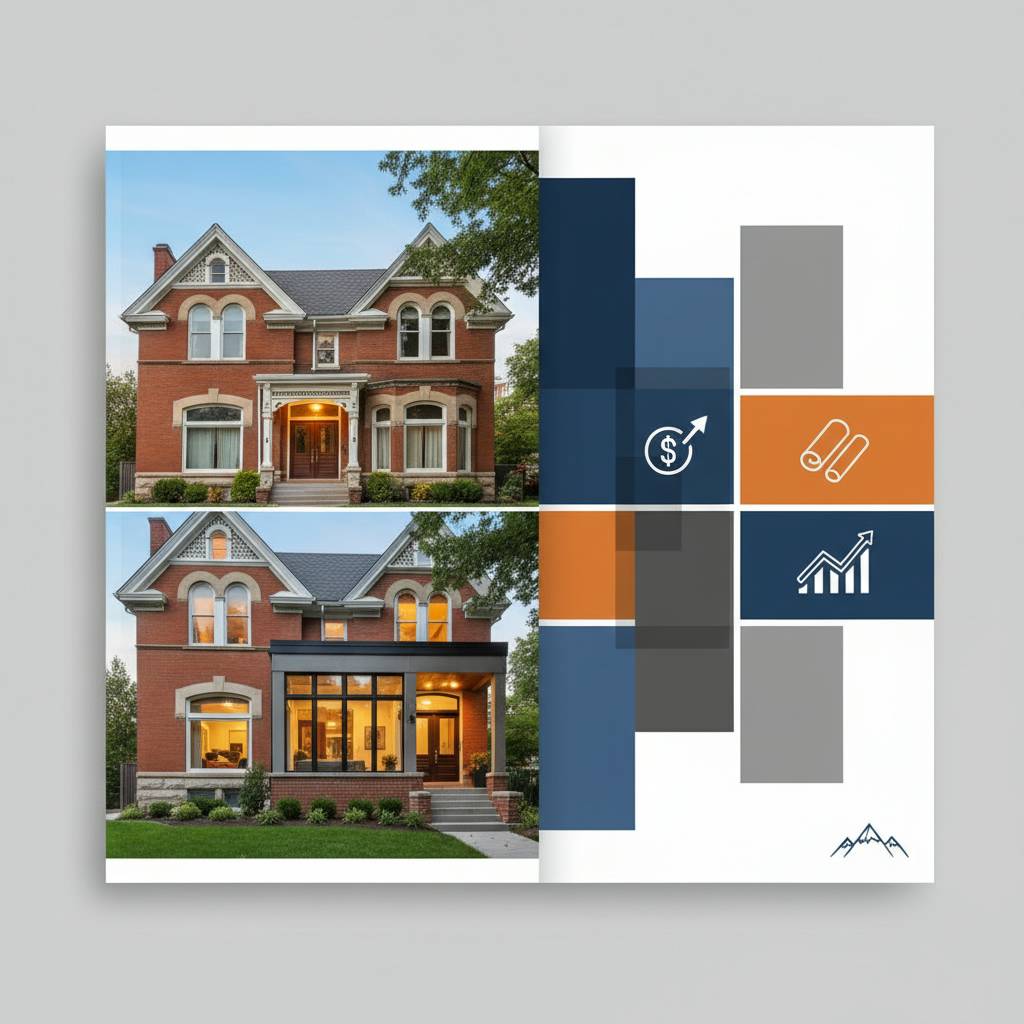 Understanding costs and available incentives helps prioritize investments. Many jurisdictions offer tax credits, grants, or low-interest loans for preservation work, particularly when work follows established guidelines. Investigate local historic preservation commissions and state historic tax credit programs before beginning major projects; these incentives can substantially improve project economics for significant renovations.
Below is a simple cost-to-ROI comparison to help guide decisions. Figures are illustrative and will vary by market, but they highlight typical return ranges on common investments that respect historic character.
| Upgrade | Typical Cost Range | Expected ROI Range |
|---|---|---|
| Window repair and storm windows | $75-$200 per window (repair); $300-$700 per window (interior storm) | 50[%- (when preserving original windows) |
| Mechanical upgrades (HVAC, electrical) | $5,000-$25,000 | 60[%- depending on system and market |
| Roof and structural stabilization | $8,000-$40,000 | 70[%- (necessary for sale readiness) |
| Exterior restoration and paint | $3,000-$20,000 | 70[%- |
When choosing projects, prioritize items that eliminate buyer hesitation (roof, structural issues, outdated electrics) and those that visibly reinforce authenticity (trim, paint, historic windows). Projects that both improve safety and preserve character typically yield the most consistent returns.
Implementation roadmap: planning, permitting, and contractor selection
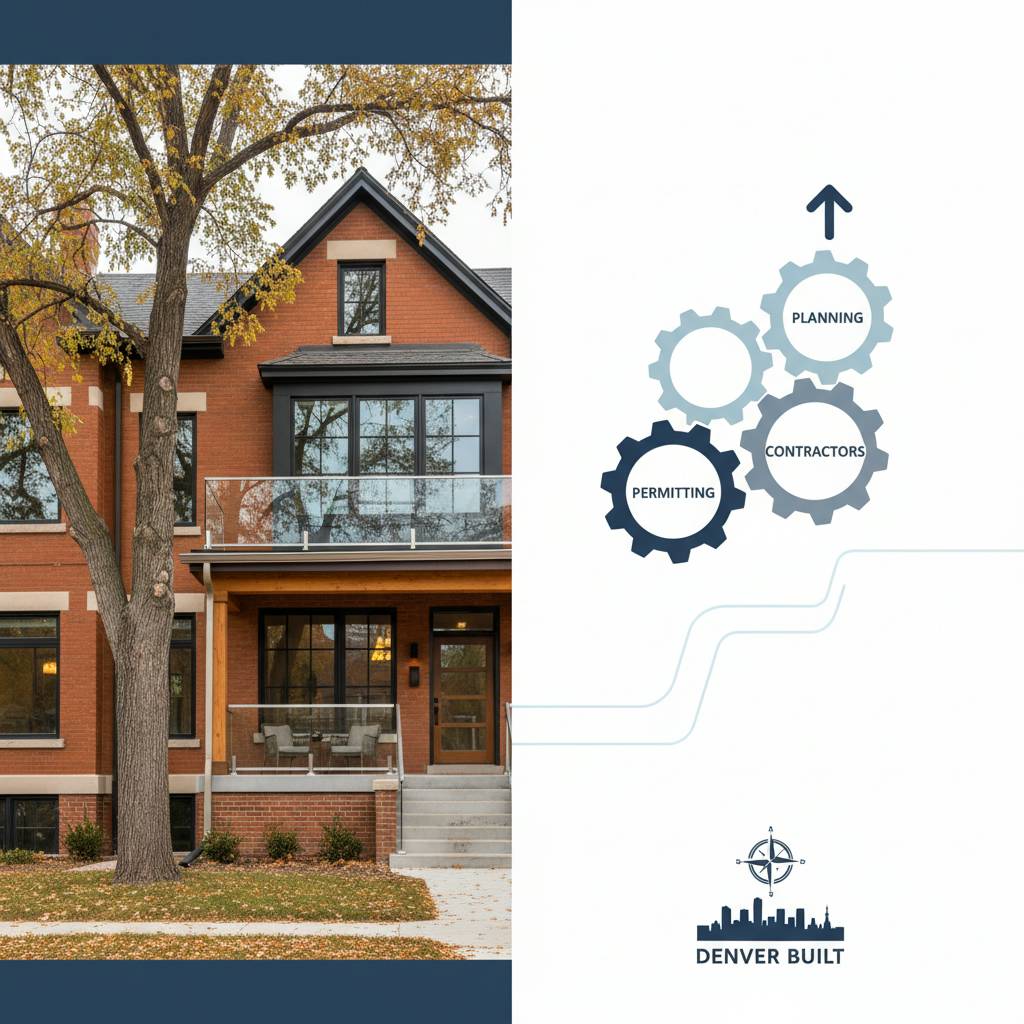 Create a step-by-step plan that sequences urgent repairs, preservation work, and value-added upgrades. Begin with health and safety items-roofing, drainage, structural-then move to systems upgrades, and finish with cosmetic restorations that highlight character. This sequencing protects your investment and allows later cosmetic work to be applied over stable, long-term fixes.
Select contractors with experience in historic homes and request references and before/after portfolios. Ask for clear scopes that specify materials and restoration approaches, and document decisions about preservations versus replacements. Proper permitting is essential: many historic districts require review and approval before changes; engaging early with local preservation staff prevents costly rework and delays.
Phased budget example
- Phase 1 (Essential): Structural, roof, moisture control-$8,000-$40,000
- Phase 2 (Systems): HVAC, electrical, plumbing-$5,000-$25,000
- Phase 3 (Preservation & cosmetic): Windows repair, trim, paint-$3,000-$20,000
- Phase 4 (Curb appeal & staging): Landscaping, lighting, minimal staging-$1,000-$8,000
Phasing lets you align investments with cash flow and market timing, and makes it easier to apply for grants or tax incentives that may cover specific phases or types of work. Keep detailed records and photographic documentation of all interventions-this history is a selling point and simplifies future maintenance.
Case studies and practical examples
 Example 1: A 1905 Craftsman with original woodwork but failing electrical. The owner prioritized rewiring, modest HVAC improvements, and selective restoration of floors and built-ins. By repairing rather than replacing windows and focusing restoration on public spaces, the home sold at above neighborhood comps and moved in 18 days. The careful balance of modern comfort and preservation strengthened buyer confidence.
Example 2: A late-19th-century Victorian with a compromised roof and neglected porch. After stabilizing the roof and restoring the porch with historically appropriate materials, the owner completed a targeted kitchen update that honored period details. The combination of structural assurance and tasteful modernization raised the property's market position and reduced negotiation concessions during offers.
Frequently asked questions
How do I decide whether to repair or replace windows? Prioritize repair when sash, frames, and glass are salvageable; repair maintains value and character. Use high-quality storm windows when insulation is needed but replacement is not warranted. Replace only when repair costs exceed reasonable thresholds or when original windows are missing and accurate reproductions are simpler to justify.
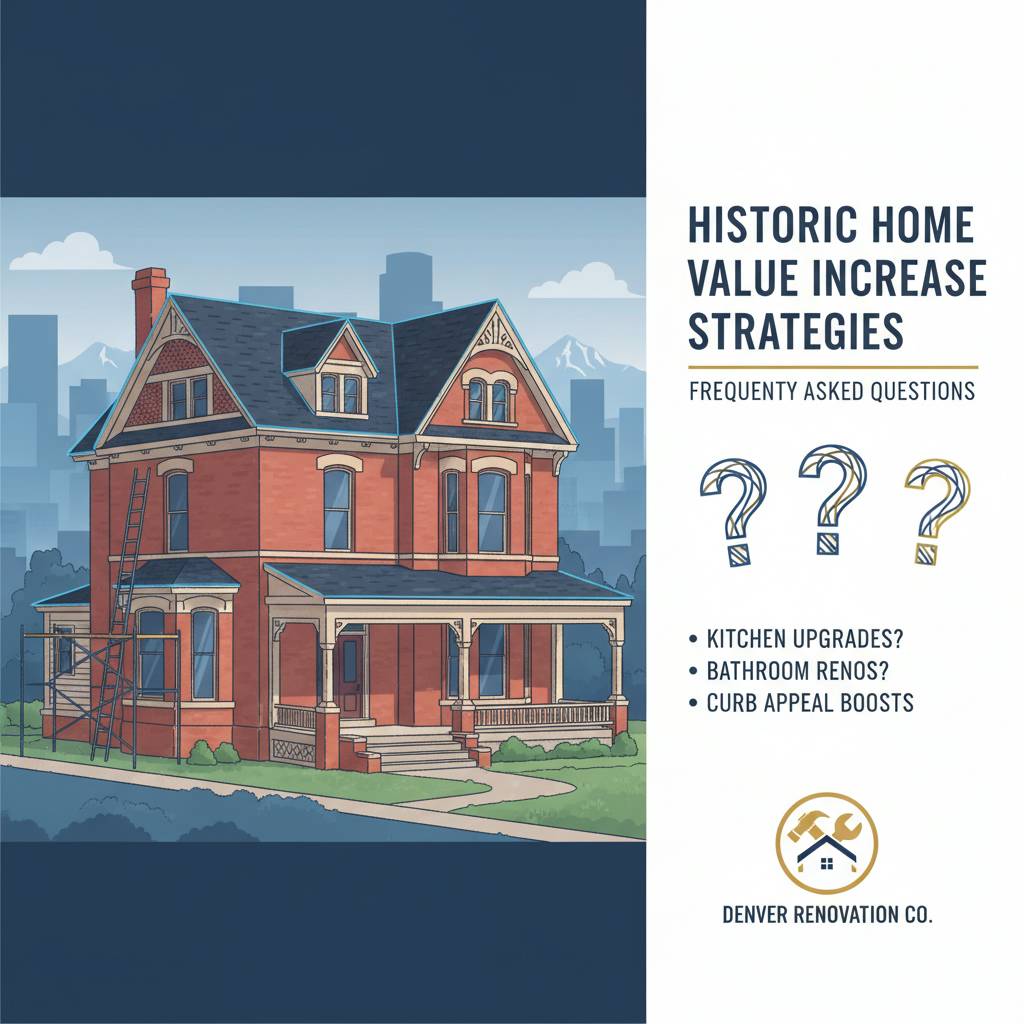
What improvements attract the broadest range of buyers? Buyers often prioritize safe, working systems-electrical, plumbing, roof-paired with authentic finishes like original floors and trim. Kitchens and bathrooms are important but should be updated sympathetically to the home's era. Thoughtful lighting, neutral paint palettes, and unobtrusive modern conveniences also broaden appeal without undermining historic qualities.
Call to action and next steps
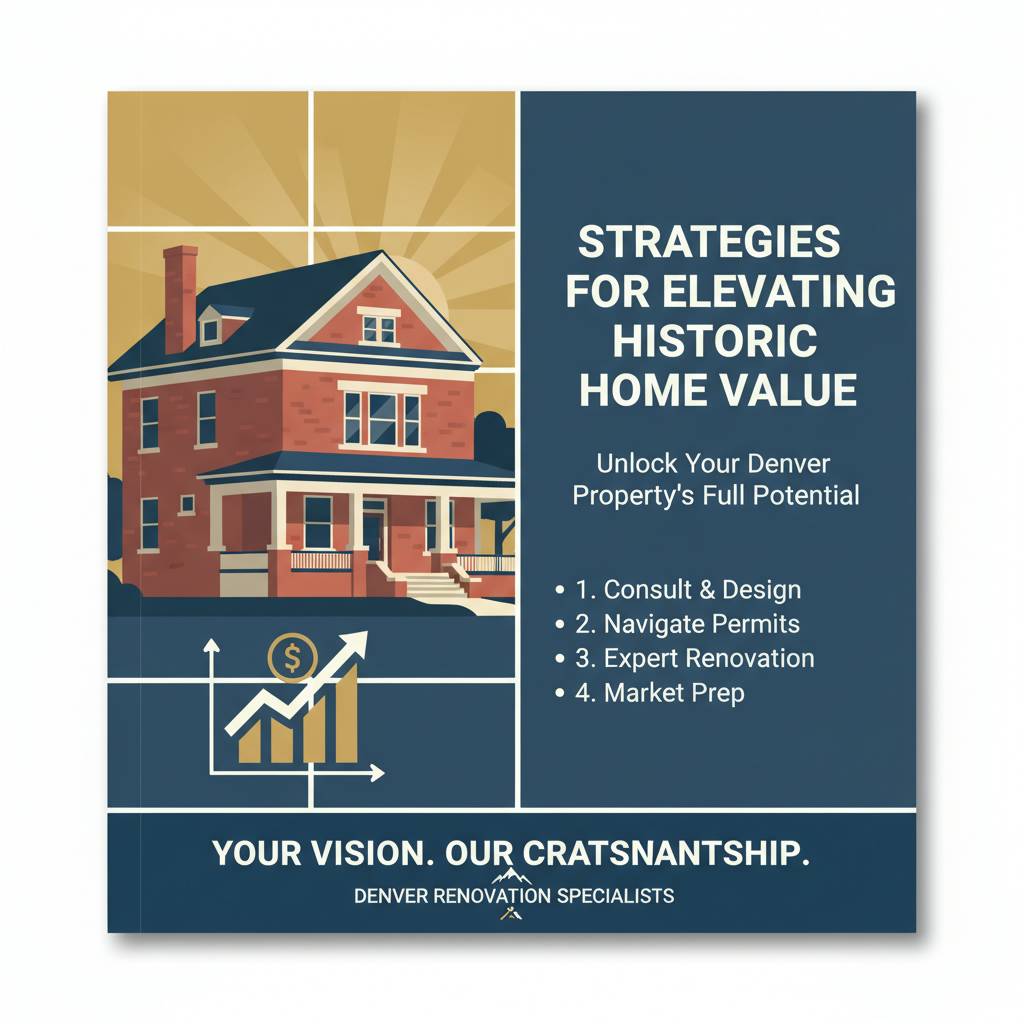 If you're ready to develop a tailored plan for your historic property, offers consultative assessments and project roadmaps that align preservation goals with market realities. Our lead specialist, , can help prioritize repairs, identify incentives, and recommend contractors experienced with period homes. Reach out for a practical, budget-conscious approach that protects both character and equity.
Contact at to schedule a consultation and receive a prioritized checklist for improvements that enhance value while respecting historic features. We'll evaluate your home's unique opportunities and propose a phased plan that fits your timeline and budget.
Preserving a historic home's soul while increasing its market value is entirely possible with careful planning. Call at today to get started on an effective, preservation-minded strategy that delivers measurable results.