
How to Retain Original Woodwork While Lowering Renovation Costs
Retaining original woodwork often costs less than full replacement when done correctly. advises on repair techniques and cost saving strategies. Call to arrange an evaluation of your woodwork. We protect character while managing renovation budgets.
Original woodwork can be one of the most expressive features of an older home - the built-in character that tells a story. Yet many homeowners assume replacement is the only way to refresh a space. In practice, learning how to retain original woodwork while lowering renovation costs often reveals that careful repair and selective restoration preserve history and save money. specializes in thoughtful interventions that balance aesthetics, structural soundness, and budget.
Why preserving original woodwork is both smart and economical
Preserving original millwork, moldings, doors, and trim often costs less than wholesale replacement when the work is executed by skilled craftsmen. Beyond the immediate financial savings, retaining original pieces maintains architectural integrity and can even increase property value for buyers who appreciate authentic details. When you factor in the hidden costs of removing and replacing woodwork - such as repairing adjacent plaster, repainting larger areas, or custom-matching profiles - repair frequently becomes the most practical choice.
Another important consideration is sustainability. Reusing what already exists prevents usable materials from ending up in landfills and reduces the demand for new lumber and finishes. That environmental benefit resonates with many homeowners, but it also reduces the embodied carbon and manufacturing costs that come with new millwork. For both ecological and economic reasons, preservation is a compelling path.
How to evaluate whether repair or replacement is the right choice
 Determining the best approach begins with a methodical assessment. Start by identifying whether damage is superficial, localized, or systemic. Superficial issues such as surface scratches, worn finishes, or minor dents typically respond well to repair. Localized problems like rot confined to the bottom of a door or a single window sash can often be spliced, consolidated, or replaced in part. Systemic problems - for example, repeated rot due to ongoing moisture intrusion or extensive insect damage across many elements - may point toward partial or full replacement.
recommends a practical triage: preserve whenever structural integrity and historic character can be retained, repair selectively where performance needs improvement, and only replace when repairs would be more costly or less durable in the long run. This approach keeps renovation budgets under control while protecting valuable original materials.
Common repair techniques and when to use them
Repair techniques vary in complexity and cost, but several methods are consistently effective at retaining original woodwork: consolidation, splicing, dutchman repairs, epoxy fills, and sympathetic refinishing. Understanding what each method accomplishes will help you set realistic expectations about appearance, longevity, and budget.
Consolidation and strengthening
For wood weakened by age or limited rot, consolidants and structural adhesives can restore strength without removing original material. Consolidation involves injecting a stabilizing resin into decayed areas so the wood fibers bond and regain load-bearing capacity. This method is particularly useful for window sills, trim, and balustrades where preserving the visible profile is a priority. Consolidation is typically less expensive than replacement and often extends the life of original elements by many years.
Splicing and dutchman repairs
Splicing replaces only the damaged portion of a piece with a carefully matched cut of new wood, maintaining the original profile and grain direction. A dutchman repair is a precise inlay or patch used where a small amount of material is missing. These repairs require skilled joinery but provide a near-invisible result when executed correctly. Compared with full replacement, splicing and dutchman repairs cut material costs and labor because less wood is removed and less surrounding work is disturbed.
Epoxy fills and surface restoration
Epoxy fills are a reliable option for filling small voids, insect damage, or surface rot once the decayed material is removed. Epoxy can be sanded, shaped, and stained to match the surrounding wood, making it a cost-effective way to preserve large, intricate profiles that would be costly to reproduce. When combined with selective sanding and repainting, epoxy repairs often make replacement unnecessary.
Finishing that respects original patina
Finish decisions matter. For painted woodwork, stripping down to bare wood is rarely required; careful sanding and a quality primer and topcoat can revitalize painted surfaces while keeping costs down. For stained or varnished pieces, a targeted recoat or blending in new stain can preserve the original patina and character. occasionally recommends a light hand with finishing - maintaining some of the original surface details often looks more authentic and is less work than trying to achieve a brand-new finish.
Cost-saving strategies that keep character intact
 Smart planning and prioritization are key to lowering renovation costs while retaining original woodwork. Start by cataloging the pieces you want to preserve and the ones that truly need attention. Triage the list into "must-repair," "optimize," and "replace only if necessary." This helps allocate your budget to high-impact items - such as visible trim in main living areas - while deferring lower-priority work.
Another effective strategy is to combine repairs with other scheduled maintenance. For example, coordinate minor wood repairs with a planned paint refresh to save on mobilization and setup costs. Hiring a contractor who can do both carpentry and finishing reduces subcontractor fees and compresses project timelines, producing additional savings.
- Bundle related work (trim, doors, and baseboards) to reduce setup time and costs.
- Opt for selective restoration on high-visibility elements and simpler solutions in less visible areas.
- Ask for phased project plans to spread costs over time without sacrificing key preservation work.
Comparing typical cost ranges
Costs vary with region and project complexity, but the table below illustrates typical ranges to help you visualize savings from repair versus replacement. These numbers are examples and should be used for planning rather than as firm quotes.
| Work Type | Common Examples | Typical Cost Range |
|---|---|---|
| Minor repair | Epoxy fills, small splices, surface sanding | $75-$200 per element |
| Major repair | Full splice, consolidation, door rehanging | $200-$650 per element |
| Replacement | Custom-milled new trim or door | $300-$1200 per element |
Practical steps to prepare for a restoration project
 Preparing your home for woodwork restoration reduces surprises and helps control costs. Begin with a documented walkthrough that photographs each element and notes dimensions, damage, and desired outcomes. Keep the scope realistic: preserving a door frame may be straightforward, but plan for contingencies like hidden rot or lead paint remediation if your home was built before 1978.
Request a written assessment that outlines recommended repairs, estimated timelines, and a phased cost plan. High-quality contractors will separate material costs from labor and offer options like economy-grade and premium matching. This transparency allows you to choose where to invest for maximum visual impact and long-term performance.
- Schedule an on-site evaluation with a restoration professional to assess moisture, insect activity, and original joinery techniques.
- Prioritize work by visibility and structural importance - start with entryways, living rooms, and primary trim.
- Include contingency funds (typically 10[%-) for unforeseen conditions discovered once work begins.
When full replacement is the better choice
 While preservation should be the default approach, there are clear situations where replacement makes sense. If wood elements have lost their structural integrity across a large area, if repeated water intrusion cannot be mitigated, or if the original profiles are so damaged that repair would be visible and short-lived, replacement becomes a pragmatic decision. Similarly, if code compliance, accessibility, or energy-efficiency upgrades require new profiles or insulated assemblies, targeted replacement might be necessary.
When replacement is unavoidable, aim to replicate the original character. Choose custom-milled profiles or salvaged period-appropriate pieces to maintain cohesion. can advise on matching profiles and recommend durable species and finishes that respect historic aesthetics while offering modern longevity.
Case studies and real-world examples
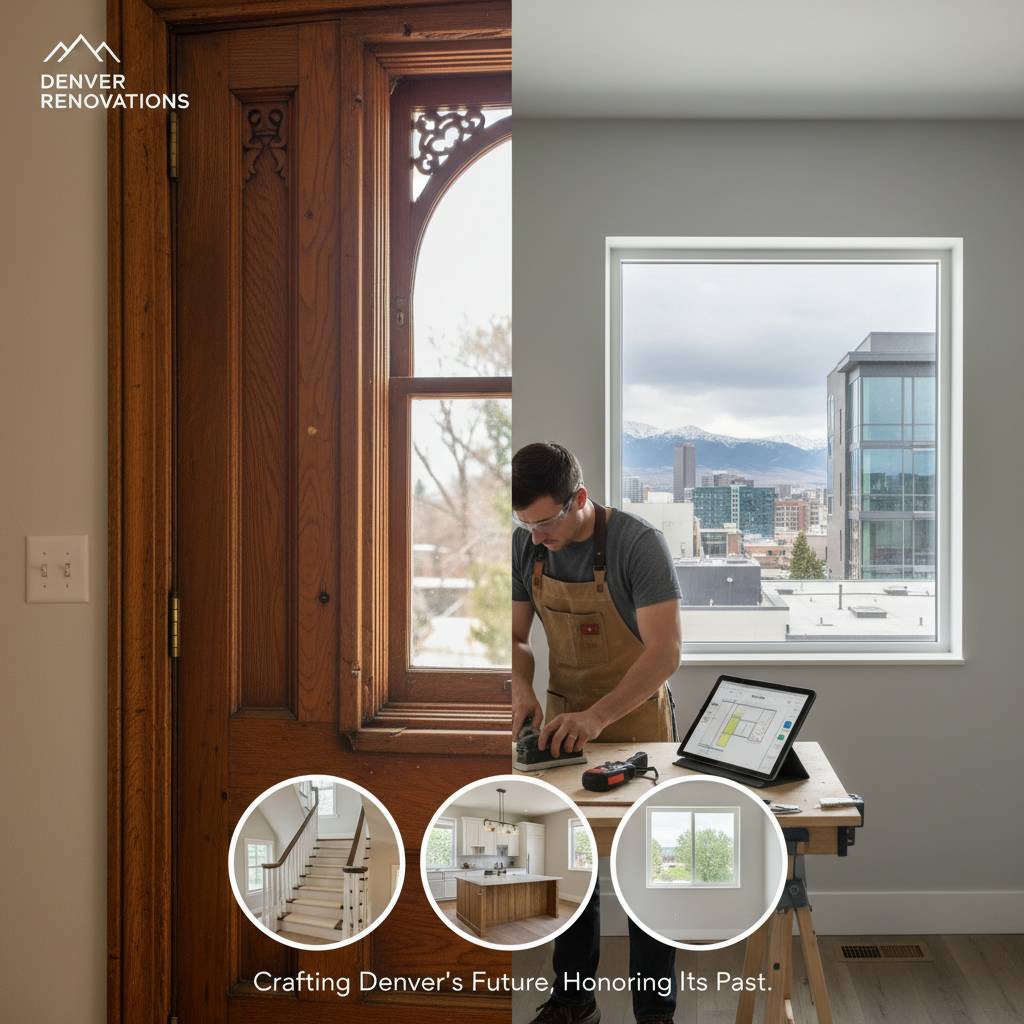 Case study 1: A 1920s bungalow had rotted lower sashes on seven windows. Rather than replace all windows, a targeted consolidation and splice program restored each sash and improved weathersealing. The homeowner saved an estimated compared with full replacement while keeping original weight-and-pulley operation and the unique muntin patterns intact.
Case study 2: In a colonial-revival home, ornate crown molding in the main living area had several missing sections and damage from prior renovations. Craftspeople executed dutchman patches and selective reprofiles, then matched the paint finish. The result preserved the room's original rhythm and saved thousands that would have been spent on custom replication.
Frequently asked questions
Q: How long does a typical repair take compared with replacement?

A: Simple repairs like epoxy fills or a dutchman patch can be completed in a day or two per element, while complex splices or consolidation might take several days. Full replacement often stretches longer because of millwork fabrication and additional priming or finish work. Coordinating repairs with other trades can compress overall project timelines.
Q: Will repaired woodwork look "new"?
A: The goal of preservation is authenticity rather than a factory-new look. Skilled repairs blend into surrounding profiles so that the eye is drawn to the whole composition rather than individual fixes. In high-visibility areas, careful color-matching, texture work, and finishing produce results that feel cohesive and intentional.
Q: Can I get an estimate over the phone?
A: Estimates require visual evaluation to account for hidden conditions. will often provide a preliminary ballpark based on photos and a site visit, then follow up with a detailed written proposal that separates materials and labor so you can make informed decisions.
Final considerations and making the most of your budget
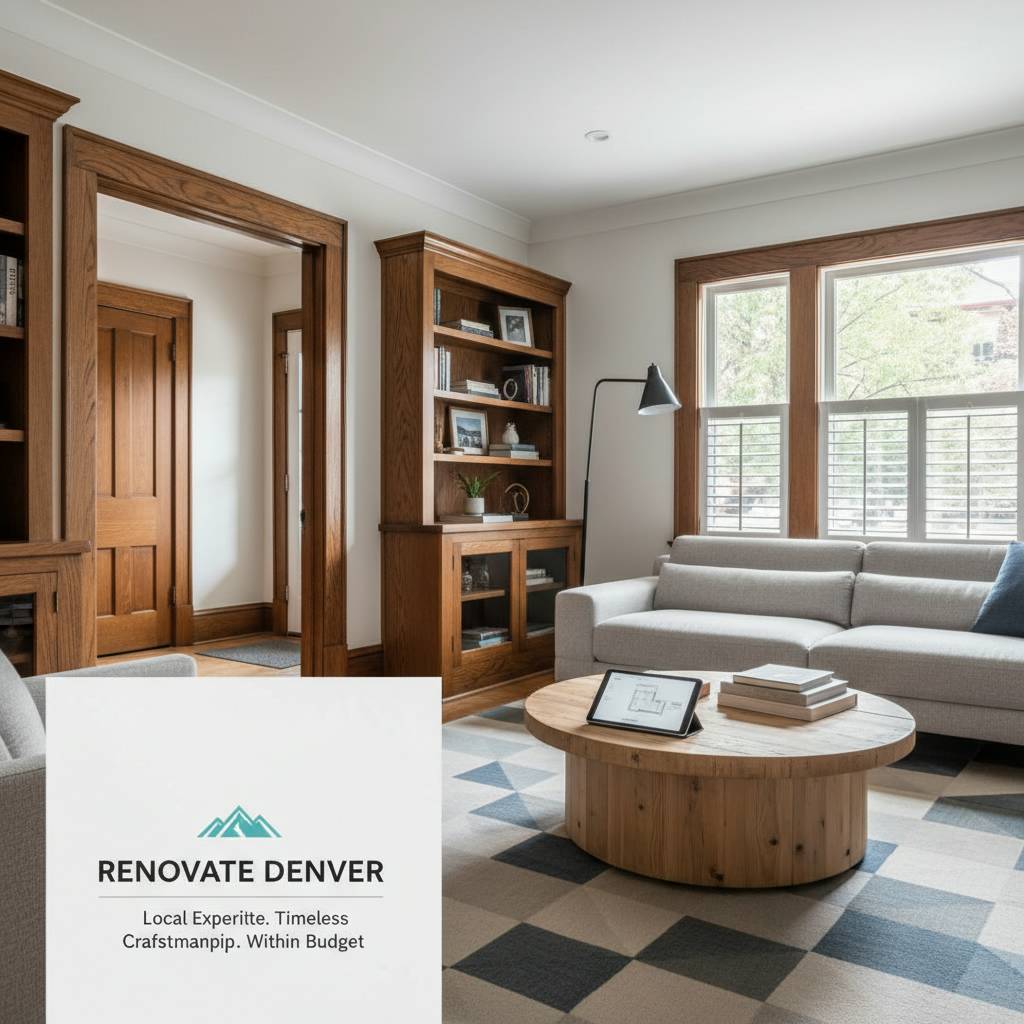 Retaining original woodwork while lowering renovation costs is part planning, part craftsmanship, and part pragmatism. Prioritize high-impact elements and use skilled tradespeople who understand both traditional joinery and modern materials like consolidants and epoxy. When you plan carefully and accept phased approaches, you can preserve the character of your home without breaking the bank.
Ask for references and before-and-after photos to understand a contractor's approach to subtle repairs and color matching. A strong restoration professional will also advise you on long-term maintenance to ensure that your investment continues to perform well and that future preservation remains straightforward and affordable.
offers experienced assessments and tailored restoration plans that focus on cost-effective preservation. To arrange an evaluation and discuss how we can help you retain original woodwork while lowering renovation costs, call . We protect character while managing renovation budgets.
Contact us today to schedule an on-site consultation. Let help you make informed choices that preserve your home's story and respect your financial priorities. Call to get started.