Modern Amenities That Increase Value in Historic Homes
Adding modern amenities can significantly increase appeal in historic homes. sources compatible upgrades that feel authentic and perform well. Call to explore options that match your property. We help select systems and finishes that attract paying buyers.
Historic homes carry a distinct charm that today's buyers prize: craftsmanship, proportion, and stories built into plaster and timber. Yet without thoughtful modernization, those same homes can feel impractical to contemporary lifestyles. helps owners bridge the gap by recommending and sourcing modern amenities that increase value in historic homes while preserving the aesthetic and structural integrity that make these properties special.
Whether you are preparing to sell, renovating to live comfortably, or stewarding a preserved property, the right upgrades can deliver both emotional appeal and measurable financial return. Call to discuss practical plans that honor period details, improve performance, and make the house more attractive to paying buyers.
Why modern amenities matter in historic homes
Buyers today expect comfort, safety, and convenience alongside historic character. Modern amenities-reliable heating and cooling, updated wiring, efficient plumbing, discreet technology, and improved insulation-address practical pain points that frequently deter offers. When these systems are integrated sympathetically, they reduce buyer uncertainty and the need for immediate, visible work, making the property feel move-in ready without erasing its past.
Beyond immediate buyer expectations, many modern upgrades also protect the home long-term. Improved moisture control, for example, preserves original wood and plaster; modern electrical systems reduce fire risk; and better drainage prevents foundation damage. Presenting these improvements clearly to buyers-through documentation, warranties, and before/after photos-builds confidence and justifies a higher asking price.
Finally, some amenities directly influence marketability. Energy-efficient systems, improved indoor air quality, and contemporary kitchens and baths are frequent dealmakers in showings. When thoughtfully selected, these features can highlight a property's best qualities and appeal to a broader pool of buyers who value authenticity plus modern performance.
Which modern amenities increase value and how to keep them authentic
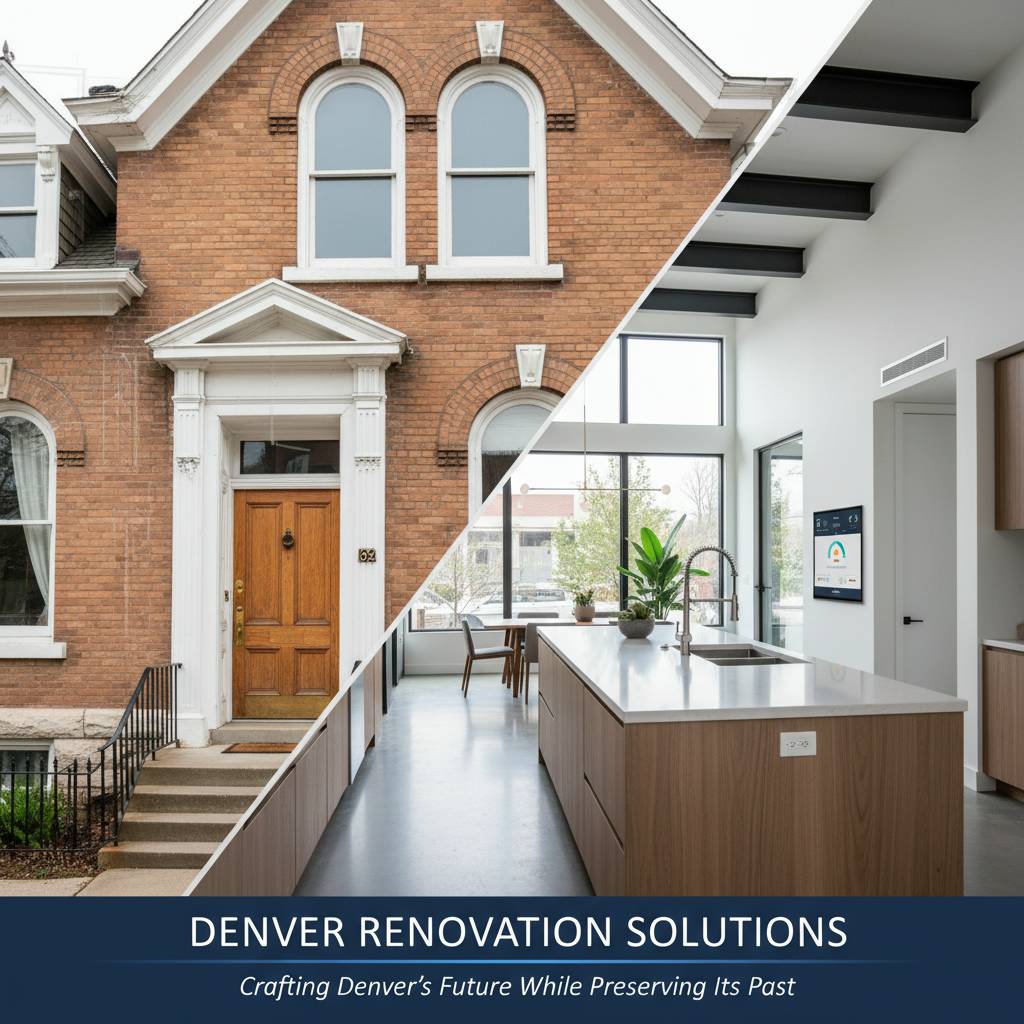 Not every contemporary product suits a historic setting; the trick is choosing items that perform well but read as authentic. Priority upgrades tend to be mechanical and systemic: HVAC solutions that fit within existing chases, updated electrical panels with period-style switchplates, and plumbing replacements that preserve visible fixtures where possible. These interventions make the house function like new while minimizing visual disturbance.
Other amenities-kitchens, bathrooms, lighting, and smart-home features-must be handled with an eye for proportion, materials, and finish. Reproduction hardware, historically correct tile patterns, and integrated technology hidden behind traditional cabinetry can all deliver modern convenience without stealing the aesthetic. The result is a house that looks original to the eye and behaves reliably for today's occupants.
Common upgrades that raise appeal
- Efficient HVAC: High-efficiency heat pump systems or multi-zone mini-splits that avoid large duct runs and preserve ceiling and wall finishes.
- Electrical: Full rewiring, circuit upgrades, and tamper-resistant outlets to meet modern codes and safety expectations.
- Plumbing: Replace old supply and waste lines, add modern water heaters or tankless systems, and preserve visible period fixtures where possible.
- Insulation and windows: Add discreet interior storm windows or improve attic and basement insulation to increase comfort and lower operating costs.
- Kitchen and baths: Kitchens with period-appropriate cabinetry and modern appliances; bathrooms with modern plumbing concealed behind historic tile work or salvaged antiques.
- Smart features: Wireless thermostats, discreet security sensors, and network wiring hidden in closets or basements to preserve rooms' appearances.
Costs vary widely by house size and condition, but a few typical ranges help prioritize projects. Quick-impact items like smart thermostats and water-efficient fixtures may run $75-$200 for individual devices, whereas full mechanical replacements or kitchen overhauls commonly span several thousand dollars. can help you estimate realistic budgets tailored to your property's needs.
How to select materials and finishes that respect history
Selecting the right materials is as important as choosing the right systems. Authenticity comes from texture, scale, and finish: millwork profiles, plaster depth, hardware patina, and tile patterns can all read as period-appropriate when sourced carefully. works with preservation-friendly suppliers and salvage vendors to locate hardware, lighting, and trim that match a home's era while meeting modern function and safety standards.
When original elements are missing or too fragile to reuse, good substitutes lean on traditional proportions and materials-solid wood instead of hollow-core doors, reproduction brass fixtures with modern innards, or encaustic-style tiles instead of a modern vinyl. Thoughtful color palettes, historically correct grout widths, and hardware placement all contribute to an authentic feel, even when some components are newly manufactured for longevity.
Where modern materials must be visible-such as countertops or appliances-blend them into sightlines with sympathetic choices: choose matte-finish stainless steel with simple lines, narrow profile lighting that mimics historical fixtures, or integrated appliances concealed behind paneling. These decisions keep the focus on original features while delivering the amenities buyers want.
Planning, permits, and phased execution
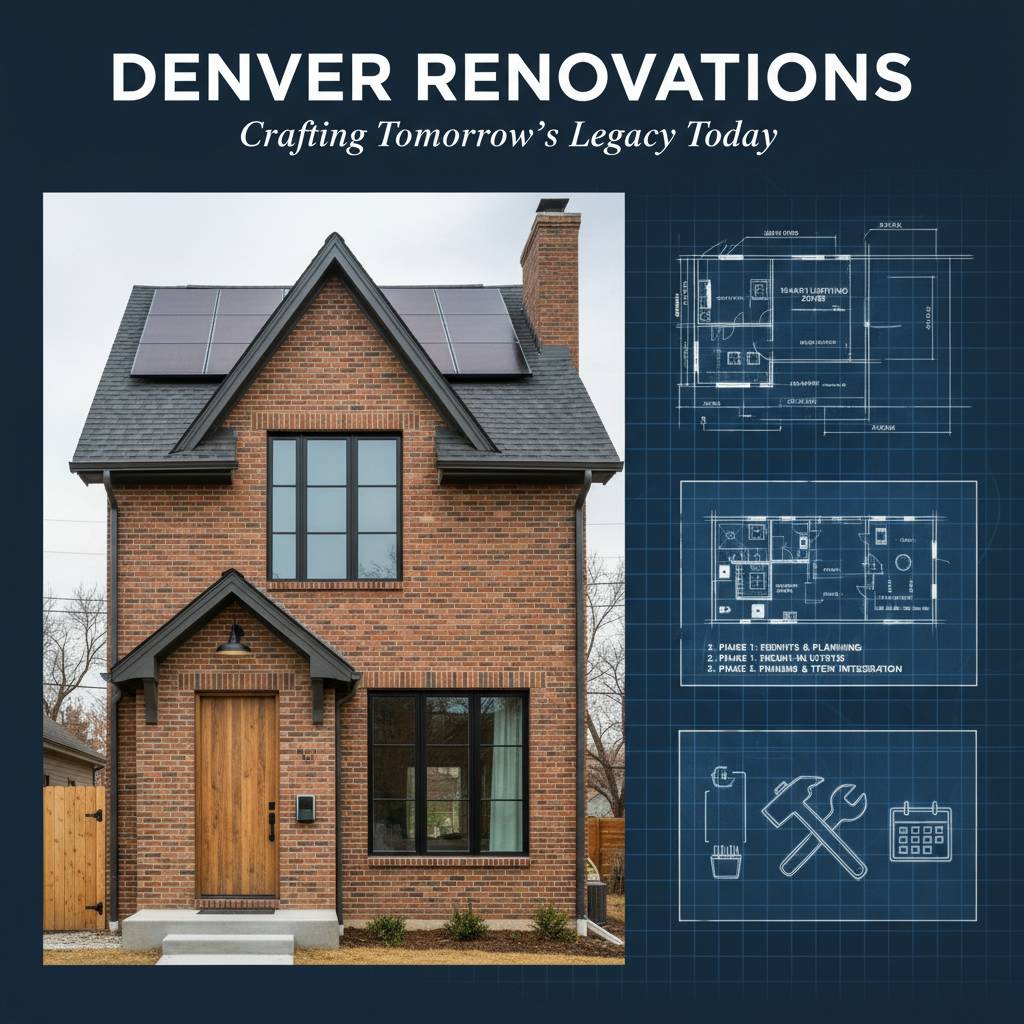 A successful upgrade strategy balances immediate market impact with long-term preservation. Start with a systems audit to identify safety and compliance issues: electrical hazards, lead paint concerns, plumbing leaks, and structural problems should be addressed before cosmetic improvements. This approach protects both the building and the investment, and it reduces the chance of surprise costs during inspections or sale negotiations.
Many historic homes require permits for mechanical work or exterior changes. navigates local permitting processes and can recommend contractors experienced with preservation standards. In some jurisdictions, working with a preservation officer early yields faster approvals and may qualify your project for tax credits, grants, or technical assistance that lower net cost and make upgrades more attractive to buyers who appreciate stewardship.
Phased implementation helps owners manage budgets and keeps homes sellable throughout the process. A common sequence is: 1) address safety and systems, 2) improve energy efficiency and comfort, 3) update kitchens and baths, and 4) refine finishes and staging. This sequence yields early, tangible improvements that can be highlighted to buyers while further work continues.
Quick-impact upgrades versus major renovations
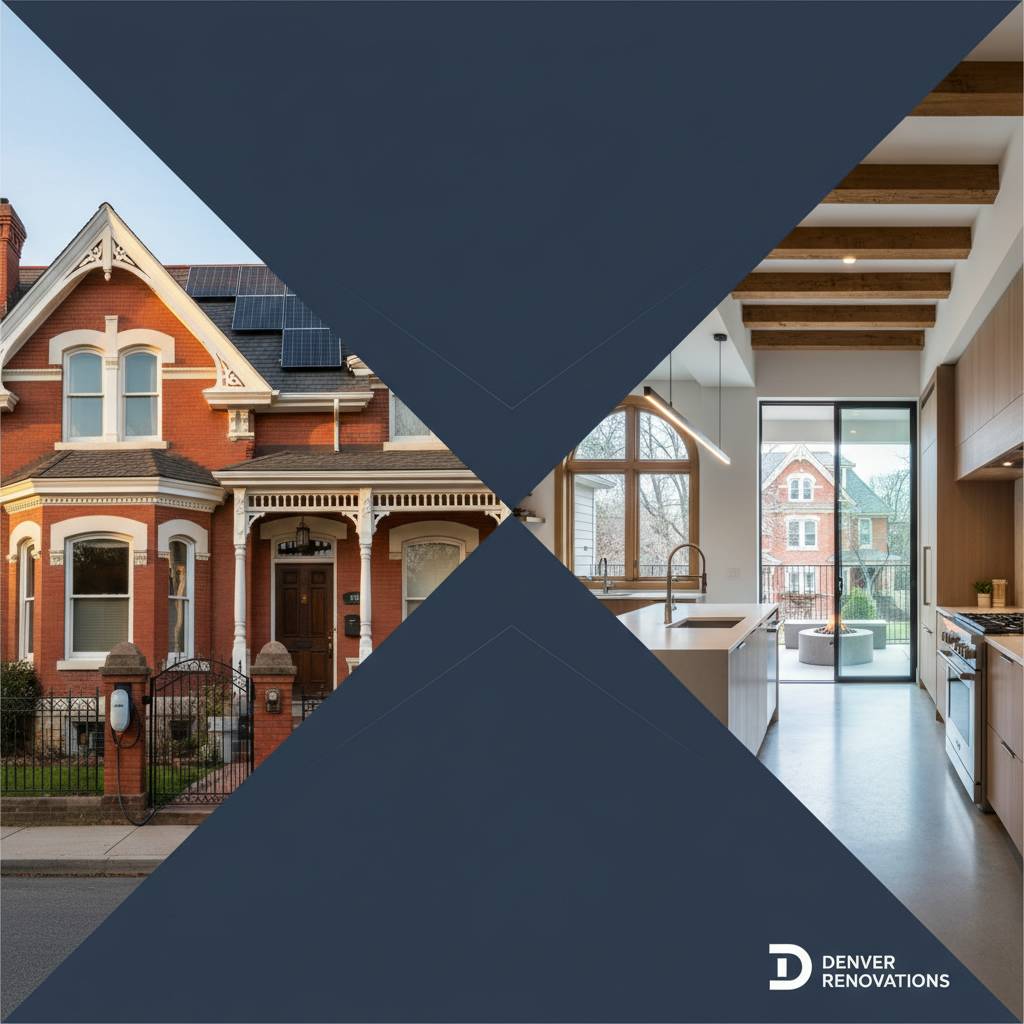 Not every project needs to be a full renovation to increase appeal. Quick-impact upgrades create immediate value for relatively low cost. These include fresh paint in historically appropriate colors, refinishing original floors, replacing lighting with period-style fixtures, adding interior storm windows, and modernizing kitchen appliances while preserving existing cabinetry. These moves often produce measurable uplift in buyer interest.
| Type of Upgrade | Typical Impact | Example Cost Range |
|---|---|---|
| Smart thermostat and control | Comfort and perceived modern convenience | $75-$300 |
| Interior storm windows and weatherstripping | Improved comfort and energy performance | $300-$1,500 |
| Electrical panel and partial rewiring | Safety and code compliance | $1,500-$6,000 |
| Kitchen refresh with period-appropriate finishes | Major appeal increase, high buyer pull | $8,000-$30,000 |
Major renovations-complete mechanical replacement, new additions, or full kitchen/bath overhauls-deliver higher returns when executed properly, but they also require more capital and a clear plan to preserve character. helps weigh the cost-benefit of major work based on comparable sales and buyer demand in your market.
Marketing the upgraded historic property to attract paying buyers
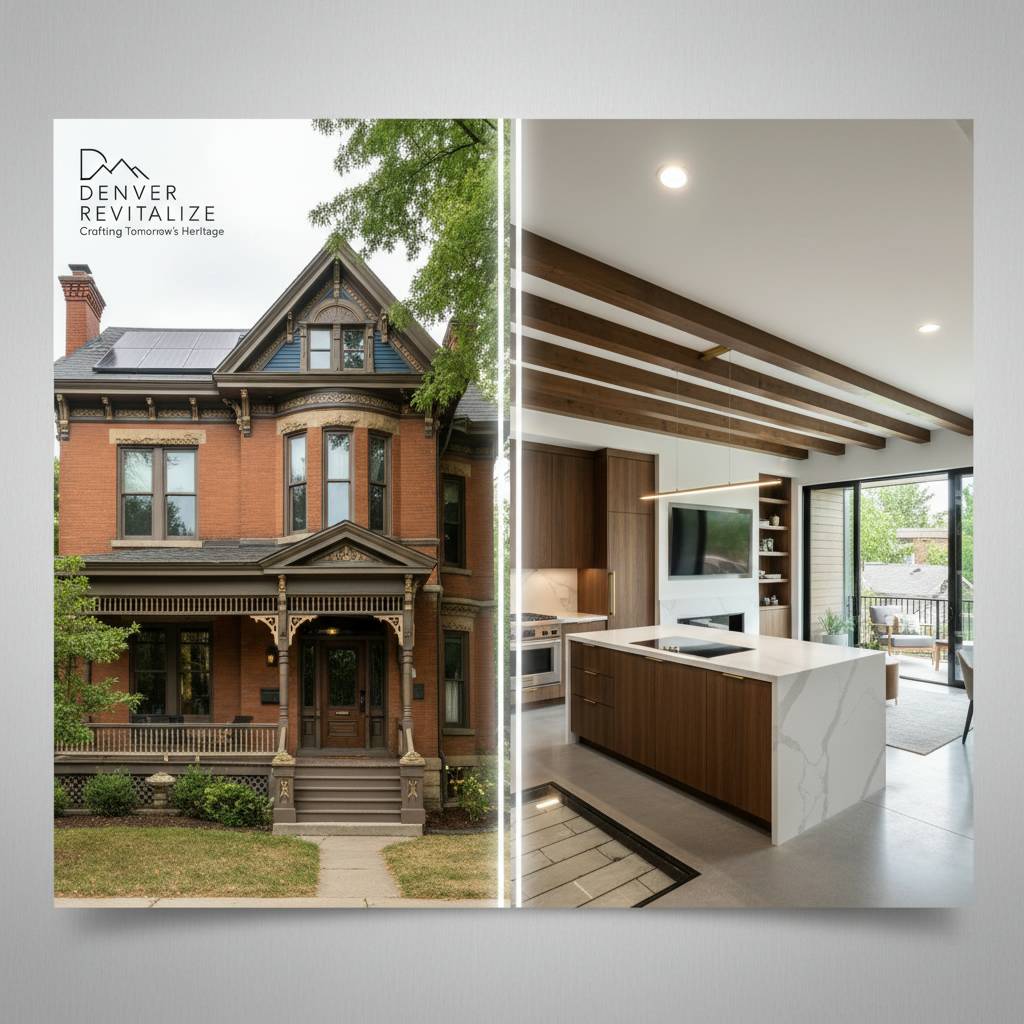 Once upgrades are completed, telling the story of the improvements is essential. Buyers respond to clear documentation: scope of work, warranties, energy savings estimates, and photos that show before-and-after conditions. Highlight the compatibility of upgrades with historic features-phrases like period-appropriate lighting, original wood restored, or modern systems concealed for visual integrity help buyers understand that comfort and authenticity coexist.
Targeted marketing can emphasize buyer segments that value both character and convenience: professionals who want turnkey condition, families seeking quality systems and safety, and preservation-minded buyers who appreciate stewardship. Staging choices should reinforce the home's era while demonstrating how modern life works in those spaces-simple vignettes that combine vintage furniture with contemporary conveniences communicate that balance clearly.
Energy-efficient certifications, recent inspection reports, and documented maintenance history can all justify a premium. When buyers see that a home has been thoughtfully upgraded and well-maintained, they are more willing to pay for the preserved charm plus modern performance.
Real examples and a short case study
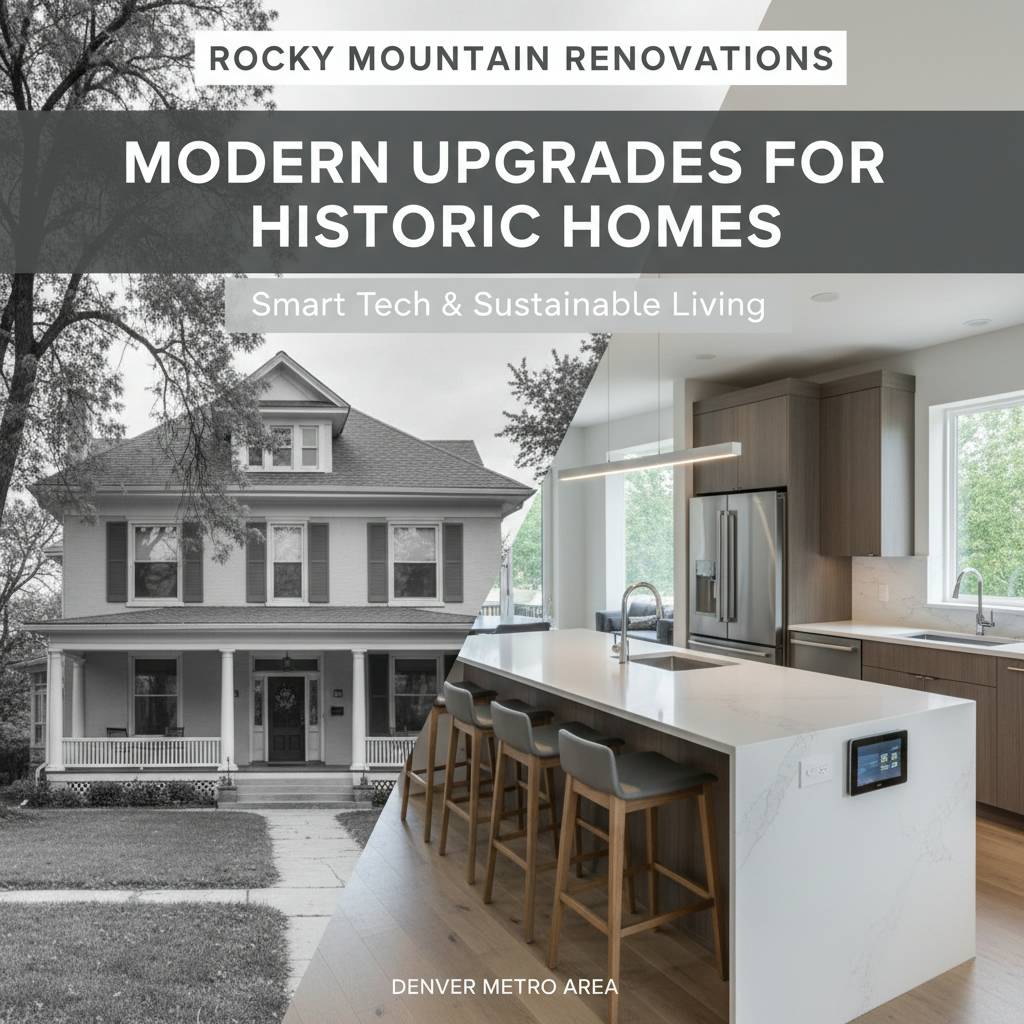 Consider a late-19th-century rowhouse that had original plaster walls, single-pane windows, and an aging boiler. A phased plan replaced hazardous knob-and-tube wiring, installed a quiet ductless heat pump with mini-splits hidden behind transom grills, added interior storm windows, and refreshed the kitchen with reproduction cabinetry and a modern induction range concealed behind vintage-style panels. The result was an elevated sale price and a faster time on market.
In another example, a bungalow with sagging porches and intermittent heating received foundation undercutting, insulation improvements, and a new high-efficiency water heater located in a converted service closet. Period-appropriate porch columns and handrail profiles were replicated from the original builders' drawings. The project attracted buyers who valued authenticity and eliminated buyer negotiation points related to deferred maintenance.
These outcomes reflect a consistent principle: buyers pay more when they perceive a property as both beautiful and dependable. Working with professionals who understand preservation and modern performance closes that perception gap.
FAQ - common questions owners ask
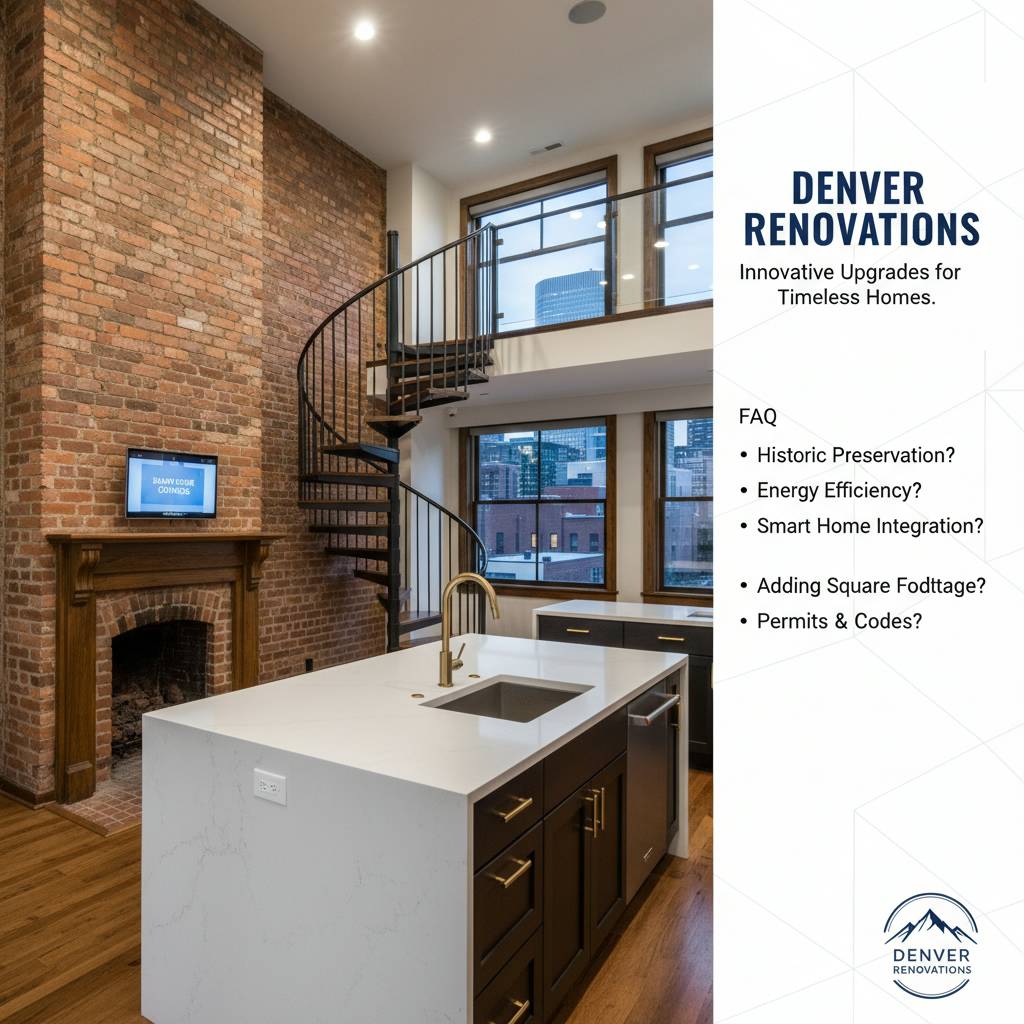
Will modern systems ruin my house's historic value?
Not if they are chosen and installed with sensitivity. Discreet installations, reversible modifications, and use of historically sympathetic materials preserve value. Documenting changes and keeping original elements where feasible is key. advises on reversible solutions and helps source materials that complement a historic home's character.
How do I prioritize upgrades on a limited budget?
Address safety and code issues first-electrical, structural, and moisture control. Next, focus on items that impact comfort and operating costs (insulation, thermostats, water systems). Finally, pursue visible finish upgrades that influence buyer perception, like kitchens and baths. Small investments in staging and documentation often yield outsized returns.
Are there financial incentives for preserving historic features?
Some properties qualify for local or federal tax credits, grants, or low-interest loans for approved preservation work. Eligibility depends on location and the nature of the project. can point you toward resources and help prepare documentation that supports grant or credit applications.
How helps and next steps
 provides a practical route to marrying historic charm with contemporary expectations. We begin with a property assessment, prioritize interventions based on safety and market impact, and provide curated options for systems, finishes, and contractors skilled in historic work. Our approach emphasizes reversibility, documentation, and sourcing that complements your home's era.
For owners unsure where to start, a short consultation clarifies opportunities and costs. and our team can visit the property, assemble a prioritized plan, and provide ballpark budgets and timelines so you have confidence before committing to work. We also offer follow-up support during contractor selection and project oversight when needed.
Ready to explore upgrades that increase appeal and preserve character? Call to schedule a consultation. We'll help you identify high-impact improvements that align with your goals and budget.
Contact today to start a plan that protects the history of your home while making it attractive to modern buyers. Call to begin.