Phased Restoration to Spread Costs
Phased restoration spreads costs and keeps projects manageable over time. plans phases to unlock early value while deferring lower priority work. Call to create a staged restoration roadmap. This approach reduces upfront burden and preserves capital.
When a restoration or renovation project feels overwhelming, a phased plan can be the difference between stalled plans and steady progress. At its core, phased restoration to spread costs means breaking a larger project into logical stages so you can complete high-impact work first, maintain operations, and preserve capital. That practical approach lets building owners, managers, and homeowners realize immediate benefits without committing to every expense at once.
helps clients evaluate assets, identify early-value opportunities, and design a realistic timeline that aligns with budget cycles and operational needs. Whether you're dealing with a historic building, a multi-unit property, or a commercial facility that must remain open, a staged restoration roadmap makes complex projects predictable, fundable, and easier to manage across months or years.
Phased restoration doesn't mean cutting corners. It's a strategic choice to sequence work so that safety, code compliance, and systems that support daily operations come first, while lower-priority finishes or expansions are deferred until funding or circumstances are better. The result is a safer, more functional asset delivered with less financial stress and more control over outcomes.
Why choose a phased approach: practical benefits that matter
One of the clearest advantages of phased restoration to spread costs is financial flexibility. Rather than absorbing a single, large upfront expense, owners can match expenditures to cash flow, grants, or financing milestones. This flexibility helps preserve working capital for other priorities, reduces the need to exhaust reserves, and often makes it easier to secure financing because each phase can be budgeted and justified on its own merits.
Another key benefit is risk management. Spreading work across phases allows teams to test materials, validate design choices, and refine processes without committing to a broad, irreversible course. If an approach needs adjustment, changes are less expensive when they affect a single phase rather than an entire project. From a scheduling perspective, phased work also reduces disruption by concentrating intensive activity in smaller windows.
Phased projects tend to deliver earlier operational or revenue benefits. For example, renovating an entry, lobby, and mechanical systems in the first phase may make a building safer and more appealing to tenants, allowing rent increases or earlier occupancy while later cosmetic phases continue. That immediate value can offset some costs of later work and accelerate a project's overall return on investment.
How designs phases that unlock value early
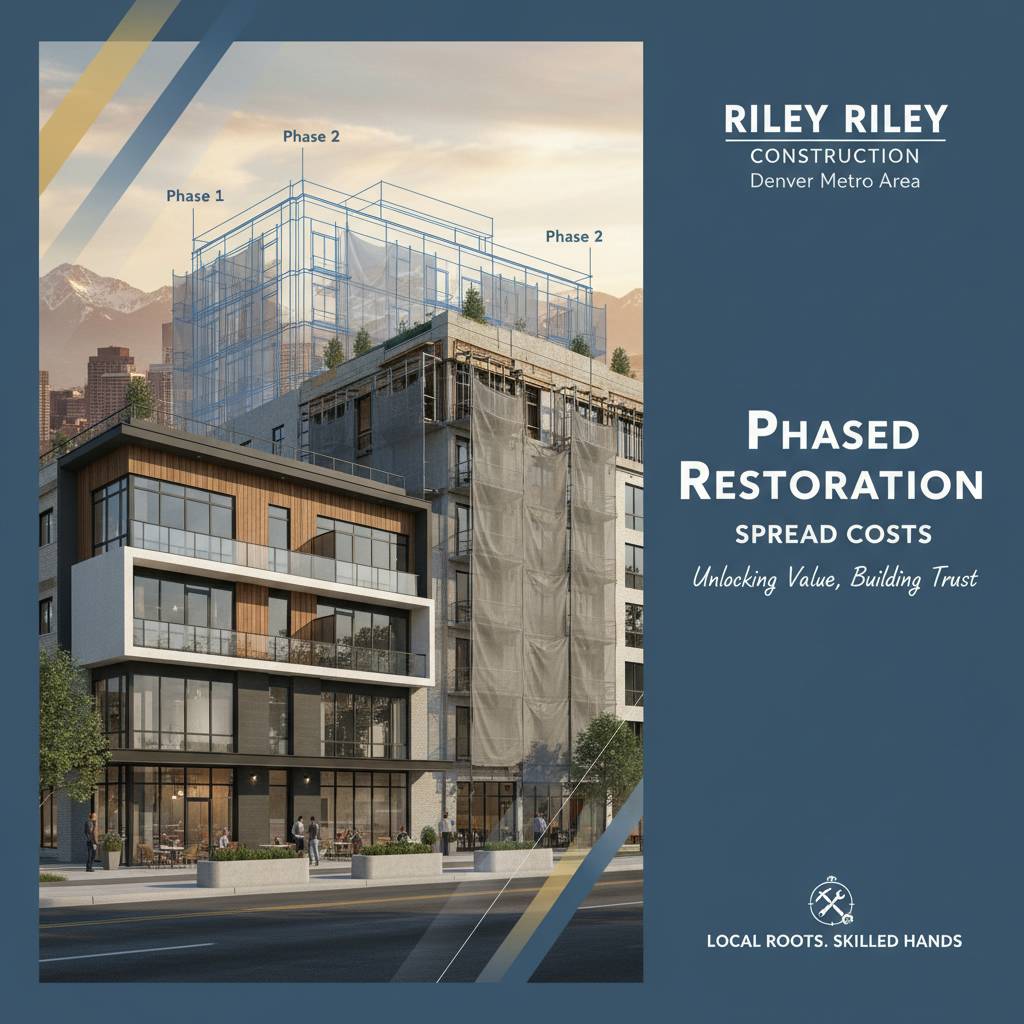 Our planning starts with prioritized assessments: we evaluate structural condition, code gaps, systems performance, and tenant or owner needs. From there, we create a prioritized list that separates urgent, high-impact items from nice-to-have improvements. This triage helps decide what to accomplish now versus later and establishes measurable goals for each phase, such as improving energy efficiency by a target percentage or bringing electrical systems up to current code.
We then map logical sequencing so one phase lays groundwork for the next. For instance, replacing aging electrical and plumbing in an initial phase prevents rework when later renovations touch interior finishes. Phasing for sequence also minimizes repeat disruption-contractors can complete infrastructure work in one phase and follow later with finishes without re-entering the same spaces multiple times, which saves time and cost.
Budget transparency is central to our approach. Each phase includes a detailed scope, line-item budget ranges, contingency recommendations, and a forecast of potential value unlocked at completion. By providing this clarity, helps stakeholders make informed decisions about which phases to prioritize, which to stretch over time, and when to accelerate based on funding or market conditions.
Prioritizing work: safety, systems, and value-first sequencing
Phase selection should be intentional. Start with life-safety, compliance, and systems that affect occupancy and insurance. Addressing these items first protects people, reduces liability, and is often required by regulation. Following that, focus on building envelope and mechanical systems that influence energy costs and long-term maintenance. Once the operational backbone is stable, consider aesthetics and tenant-facing upgrades to enhance marketability and comfort.
Here are common categories we prioritize in phased restoration:
- Life-safety and code compliance (alarms, fire suppression, egress)
- Structural stabilization and roof repairs
- Mechanical, electrical, and plumbing upgrades
- Building envelope improvements (windows, insulation, faades)
- Interior finishes and tenant-fit improvements
Prioritization also considers timing and funding windows. If grant programs or tax credits are available for certain work-such as energy upgrades or accessibility improvements-those phases can be scheduled to align with funding cycles. This nimble alignment is an important advantage of phased restoration to spread costs because it uses external resources to offset project expense while advancing high-value outcomes.
Typical phased project examples and sample cost ranges
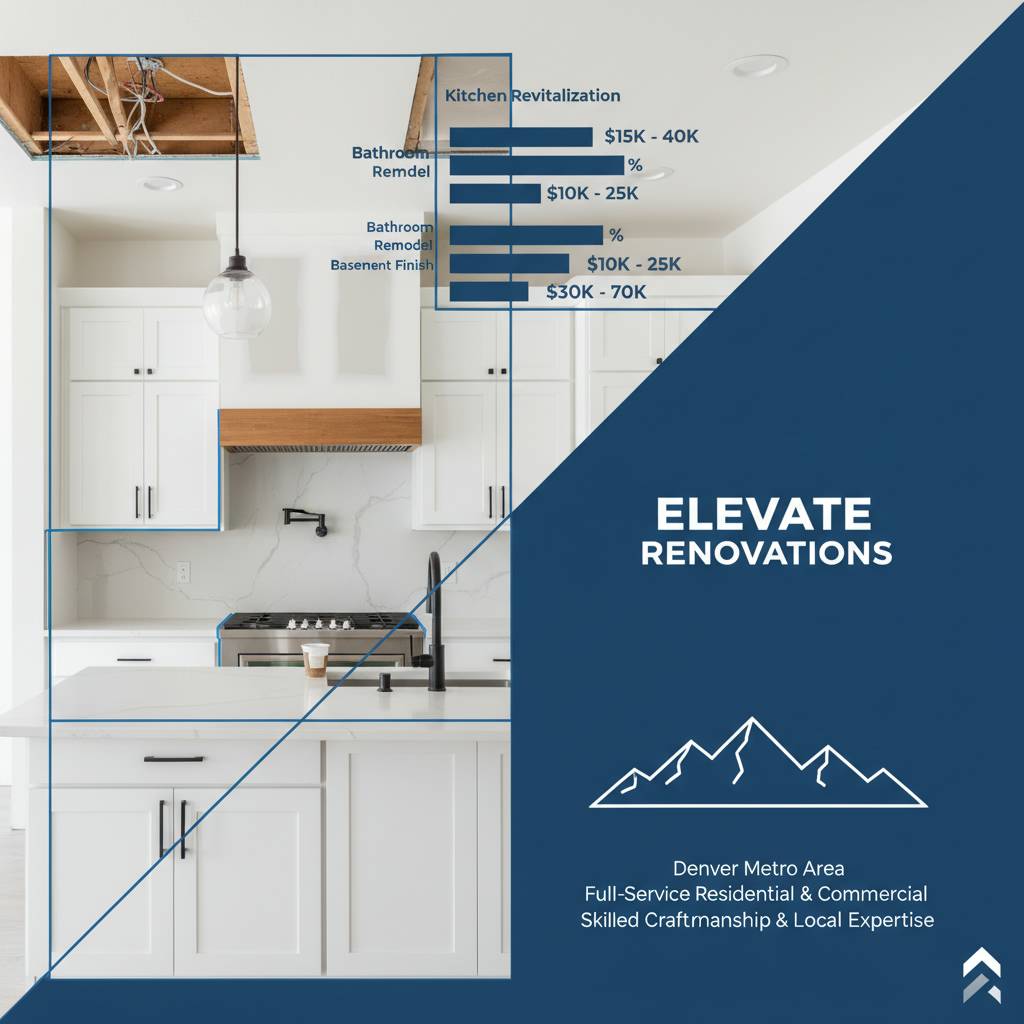 Phased restoration can look very different depending on building type, condition, and goals. Below are some practical examples to illustrate how owners sequence work. The sample cost ranges are approximate and intended to help visualize scale; final budgets depend on site conditions, materials, and complexity.
| Phase | Typical Scope | Sample Cost Range |
|---|---|---|
| Phase 1 - Safety & Systems | Fire alarms, emergency lighting, roof patching, primary HVAC repairs | $10,000-$200,000 |
| Phase 2 - Building Envelope | Window replacement, faade restoration, insulation | $25,000-$500,000 |
| Phase 3 - Interiors & Tenant Spaces | Lobby refresh, tenant fit-outs, restroom updates | $5,000-$150,000 |
| Phase 4 - Efficiency & Long-Term Upgrades | Full HVAC replacement, LED lighting retrofit, controls upgrades | $20,000-$400,000 |
These ranges demonstrate that initial phases can often be scaled to a modest budget while still making substantial improvements. We work with owners to identify what must happen first and what can wait, and then size each phase to cash flow so no single step becomes an unsustainable burden.
Financing, incentives, and ways to reduce upfront costs
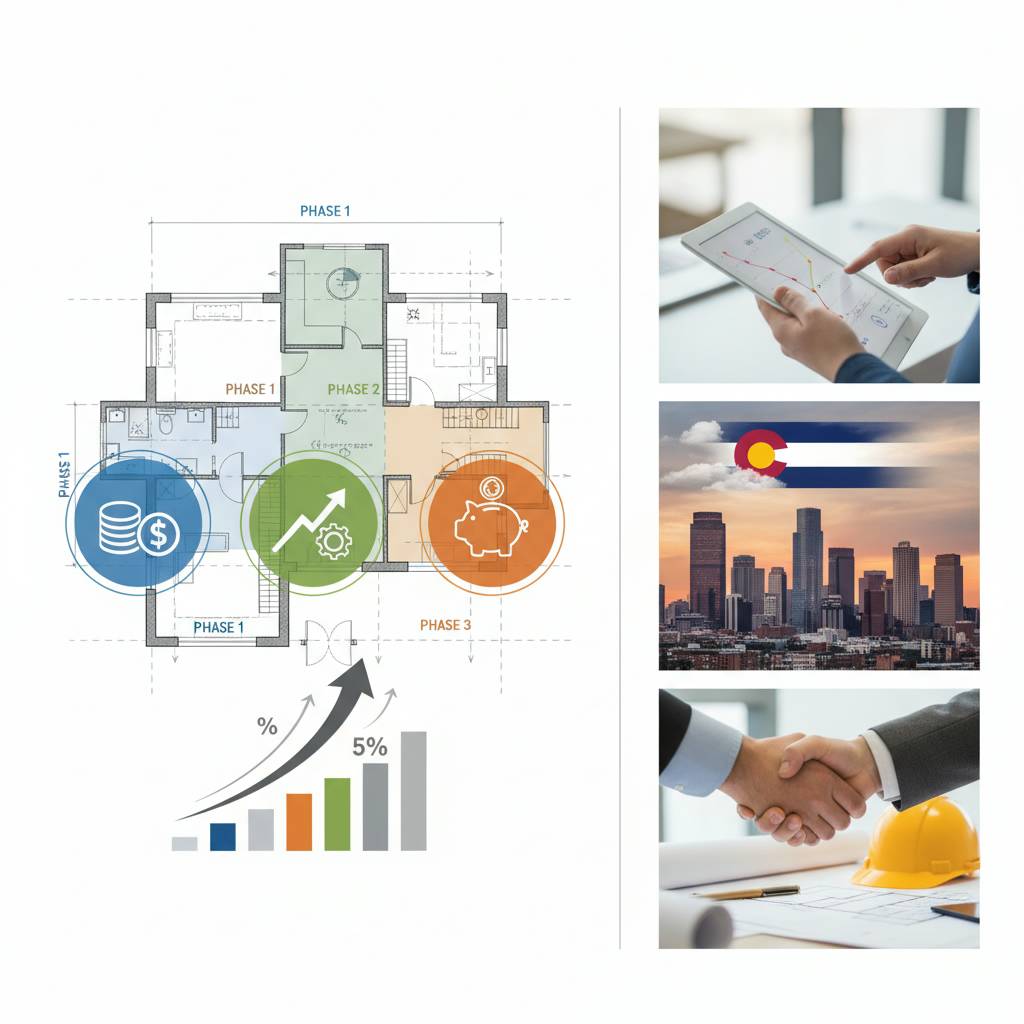 Phased restoration to spread costs is naturally friendly to a variety of financing approaches. By staging work, owners can apply for targeted loans, lease-financing for equipment, or energy performance contracts for efficiency phases. Many lenders and programs will underwrite a specific phase with clear deliverables, which makes it easier to secure funding for urgent or revenue-generating components without taking on debt for the entire project.
Don't overlook grants, tax credits, and rebates that apply to certain types of work. Energy efficiency upgrades, accessibility improvements, and historic-preservation efforts often qualify for public or private incentives. routinely helps clients identify and time phases so they coincide with available incentives, reducing net expense and accelerating payback on investments.
Another tactic is to bundle procurement across phases where it saves cost-ordering materials for multiple phases together can leverage volume discounts-while still executing the work in separate, budgeted timeframes. We'll also recommend contingencies aligned to each phase's risk profile so you're financially prepared for common surprises without derailing the entire program.
Getting started: planning your staged restoration roadmap
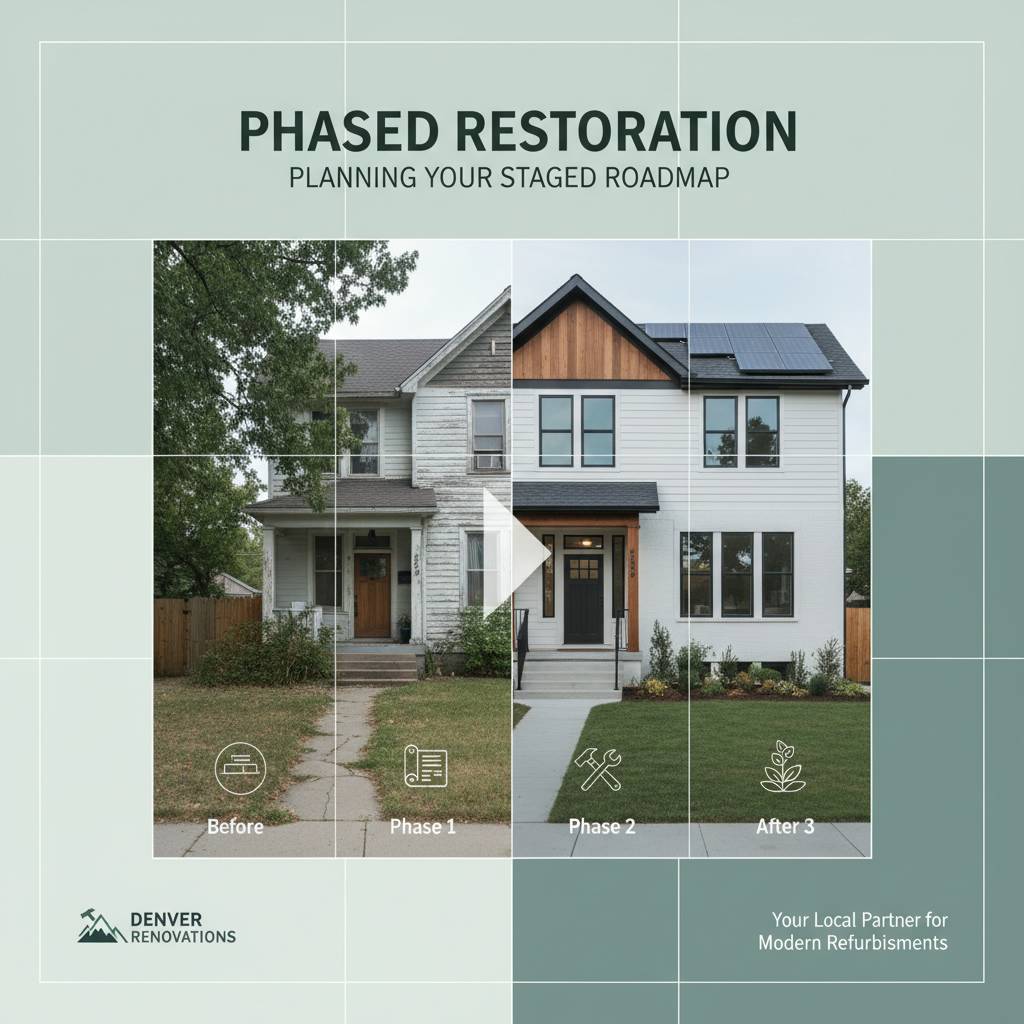 Begin with a clear condition assessment. A credible, prioritized list based on inspection and data will make it easier to justify phase selection to stakeholders and lenders. From there, create a phased roadmap that spells out scope, estimated cost, schedule, and success metrics for each phase. This roadmap becomes the operating plan you return to when funding shifts or new opportunities appear.
Implementation is iterative. After completing each phase, reassess priorities and budgets, and update the roadmap. That iterative approach helps capture lessons learned, allows you to seize savings opportunities discovered during construction, and can uncover early wins that fund or accelerate later phases. Communication with tenants, occupants, and financial stakeholders is vital throughout to manage expectations and maintain trust.
If you'd like help building a staged restoration plan, will meet on-site, perform assessments, and deliver a practical roadmap with cost estimates, phase sequencing, and funding suggestions. Call to schedule an initial consultation and start planning a restoration that reduces upfront burden while preserving long-term capital.
Phased restoration is a proven strategy to make large projects achievable: it balances safety, value, and cash flow so you get the most important work done when you need it. Whether your objective is preserving a historic character, improving energy performance, or simply upgrading a property without crippling finances, a staged approach brings clarity and control to the process.
Ready to move forward? Contact to explore phased options tailored to your property and budget. Call and let us help you build a roadmap that unlocks early value, reduces upfront cost pressures, and preserves capital for future growth.