Preservation-Friendly Kitchen Remodel Ideas
A kitchen remodel can be designed to respect period character while modernizing function. offers ideas that preserve key features and improve usability. Call to explore layouts and finish choices. We recommend interventions that appeal to buyers and honor the original design.
Older homes carry a sense of history that many homeowners and buyers find irresistible. When approaching a remodel, preserving that character while bringing the kitchen up to contemporary standards requires thoughtful choices rather than wholesale replacement. At , we focus on preservation-friendly kitchen remodel ideas that respect original architecture, retain defining details, and introduce modern conveniences in ways that feel natural and intentional.
Whether your house dates from the Victorian era, the Craftsman movement, or mid-century modern period, there are design strategies that will help you keep what matters and update what's needed. The guide below outlines practical steps, material recommendations, layout strategies, cost considerations, and example projects so you can make informed decisions. If you'd like hands-on help, our designers-led by -are available to consult and bring your vision to life.
Understanding period character and what to preserve
Preserving period character starts with identifying the elements that give your kitchen its historical identity. These might include moulding and trim profiles, original cabinetry or built-ins, flooring patterns, window and door proportions, and hardware finishes. Retaining these features wherever possible keeps the home's narrative intact and helps a remodel feel authentic rather than contrived.
Not every original element must be kept; the goal is to prioritize features that are visible and meaningful. For example, original wainscoting, beadboard, or a built-in pantry speaks directly to a home's era and will often provide a better return on preservation effort than hidden structural elements. Sensible interventions protect the visual story while addressing modern needs like storage, appliances, and lighting.
Identifying key features
- Architectural trim: crown moulding, baseboards, and door casing with distinct profiles.
- Flooring: original wood floors, patterned tiles, or encaustic tile insets.
- Cabinetry: built-ins, glass-fronted display cabinets, and sink surrounds.
- Windows and doors: original sash proportions, transoms, and paneling.
- Hardware and fixtures: period-appropriate knobs, taps, and lighting silhouettes.
Design strategies that blend old and new
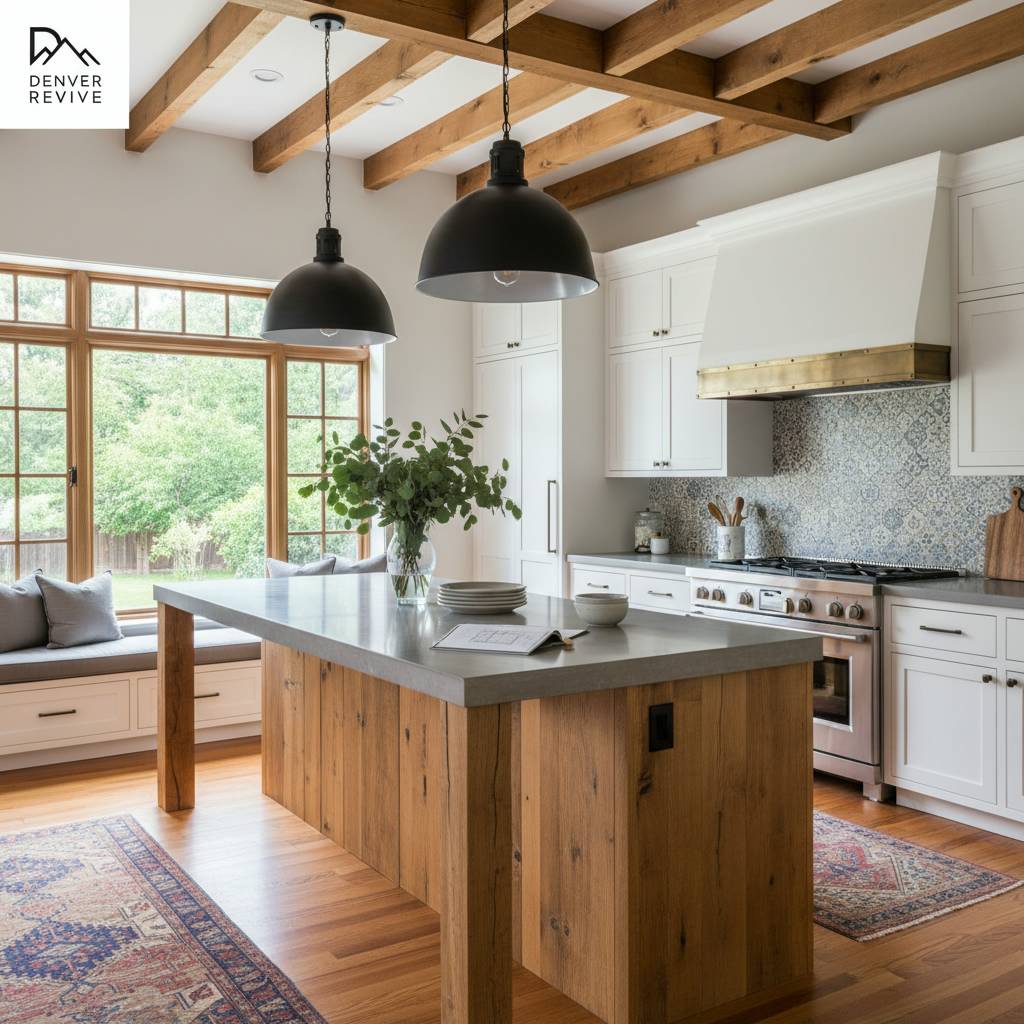 A successful preservation-friendly kitchen remodel balances careful restoration with selective modernization. Start by repairing and refinishing original elements when possible-sanding and re-staining hardwood floors, rebuilding cabinet boxes while keeping original doors, or refurbishing vintage sinks and taps. These restorative steps maintain patina and authenticity while improving longevity and performance.
Introduce modern systems subtly. Replace old wiring, plumbing, and insulation for safety and efficiency, but hide new systems behind walls, under floors, or within cabinetry so they don't disrupt historic sightlines. When installing new appliances, consider models with classic styling or integrated appliances that keep facades consistent with existing cabinetry. This strategy allows the kitchen to perform like a contemporary space without erasing its period charm.
Consider these preservation-friendly kitchen remodel ideas when planning upgrades:
- Refinish original cabinetry and add discreet pull-out storage inside existing boxes.
- Use period-appropriate door and drawer hardware to match or complement original finishes.
- Introduce glazed display cabinets or open shelving that echoes original built-ins.
- Choose integrated appliances or panel-ready refrigerators to maintain consistent sightlines.
- Replace old light fixtures with reproduction or modern fixtures that reference historical proportions.
Materials and finishes: making choices that respect the past
Material selection is crucial to a successful preservation-friendly remodel. Natural materials like wood, stone, and ceramic tile often match the texture and depth of original finishes. Where original materials remain in good condition, restore them-refinish hardwood floors, regrout and seal tile, and repair masonry or plaster instead of covering it up. Restoration not only preserves authenticity but can be more sustainable and cost-effective than replacement.
When new materials are required, select ones that read as compatible rather than identical. For instance, choose solid wood cabinetry with period-appropriate profiles, or matte, hand-glazed subway and patterned tiles that create the right visual scale. Paint colors also play a major role: reference historical palettes or choose muted, layered neutrals to preserve era-appropriate ambiance while allowing modern accents to pop.
| Material | Why it works | Typical use |
|---|---|---|
| Reclaimed or solid hardwood | Matches original grain and patina; durable and refinishable | Flooring, island faces, open shelving |
| Ceramic or encaustic tile | Period-appropriate patterns and easy maintenance | Floor insets, backsplashes, entry thresholds |
| Soapstone or honed stone countertops | Subtle, time-worn look that complements vintage sinks | Countertops and integrated sink surrounds |
| Brass or oil-rubbed hardware | Warm finishes that age attractively and suit many periods | Faucets, knobs, and light fittings |
Layout and functional upgrades without losing soul
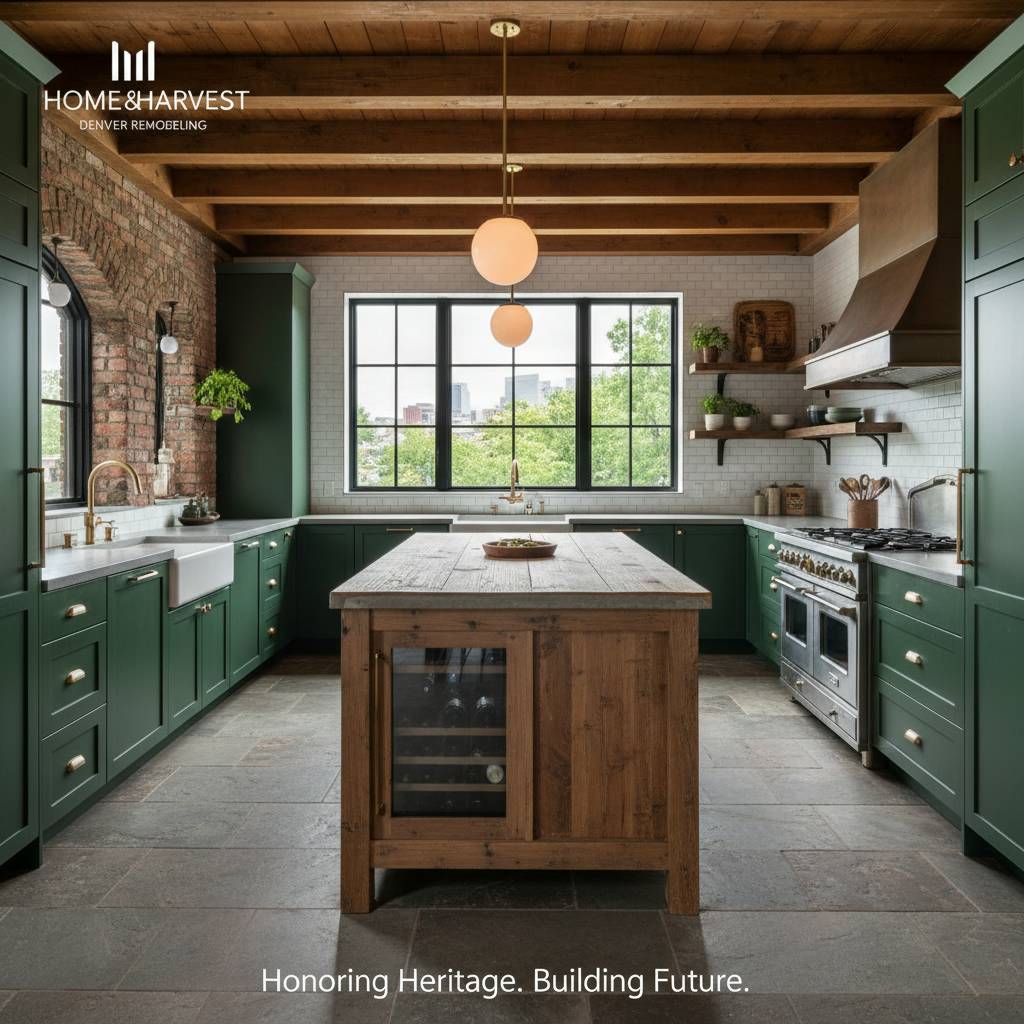 Improving function often means rethinking workflow-cooking, prep, storage, and circulation-without altering the room's historic footprint too dramatically. Open-plan kitchens are popular, but in many period homes, preserving a separate kitchen or keeping partially divided spaces can be more respectful to the original layout. Instead of removing walls, consider widening door openings or installing a sympathetic arch or pass-through that increases light and sightlines while preserving structure.
Storage solutions are essential to modern usability. Rather than replacing original cabinetry wholesale, retrofit internal organizers, deep drawers, and pull-out shelves inside existing frames. Built-in seating or a restored pantry can also provide valuable storage while highlighting original architectural elements. These less invasive changes often cost less and preserve the visual interest that defines older kitchens.
Cabinetry and appliances
When updating cabinets, keep visible doors and moldings in styles that match the period while rebuilding the structural boxes to modern standards. Panel-ready appliances or drawer-style dishwashers allow you to maintain a continuous cabinet face. For cooktops and ranges, consider freestanding ranges with vintage styling or install a professional range in a framed alcove that reads like a traditional hearth-this balances modern capability with historical character.
Cost considerations, budgets, and timelines
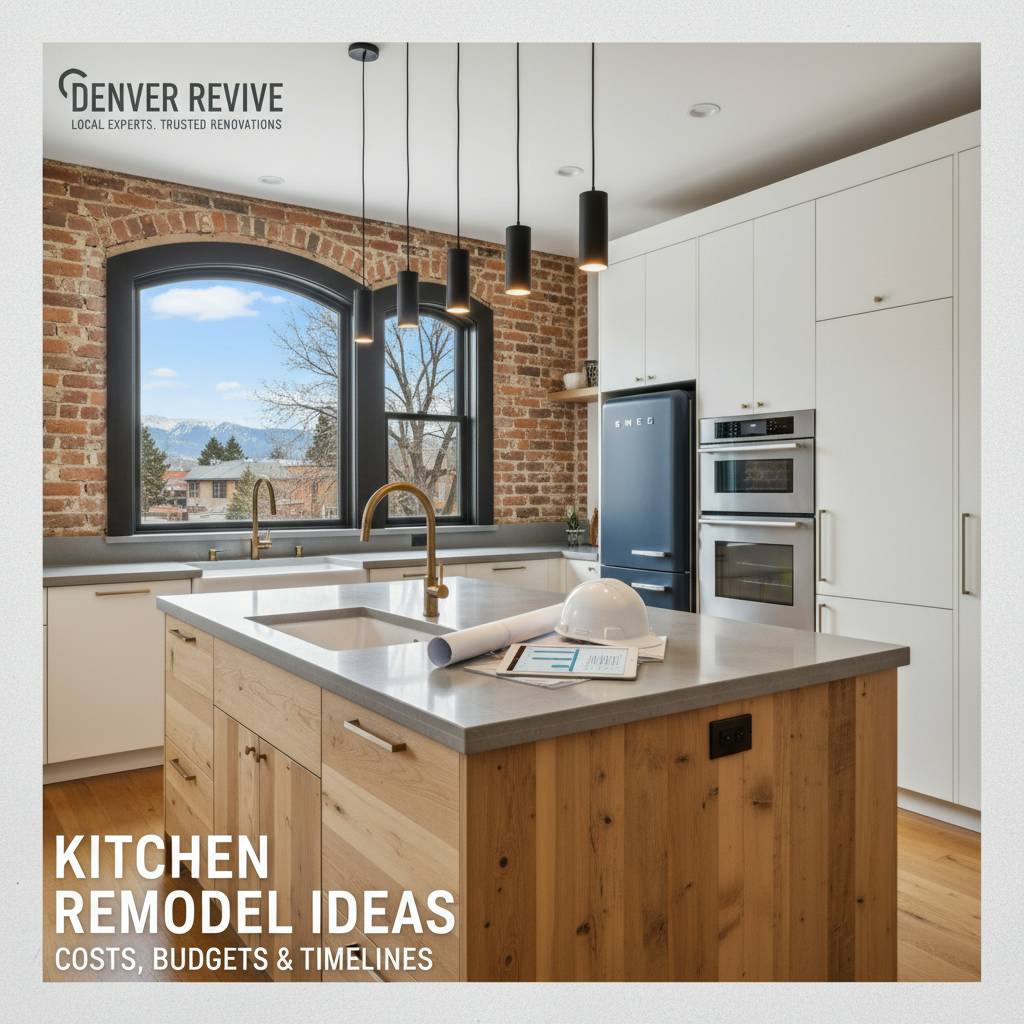 Budgeting for a preservation-friendly kitchen remodel requires allocating funds differently than a typical gut renovation. Restoration work-such as repairing original floors, custom-matching moulding, or refinishing antique cabinetry-can be labor-intensive and may cost more per linear foot than off-the-shelf replacements. However, targeted restoration often adds more value and buyer appeal than inexpensive new finishes.
Typical cost drivers include structural repairs, custom cabinetry work, period-appropriate appliances, and specialty finishes. Here are example ranges to guide planning (local costs and scope will vary):
- Refinishing original hardwood floors: $3-$7 per square foot
- Refurbishing cabinetry (repair, re-face, repaint): $75-$200 per linear foot
- Custom period-style cabinetry: $400-$900 per linear foot
- Integrated or panel-ready appliances: $1,200-$6,000
Timelines for preservation-forward projects are often longer than modern renovations because of the care required for restoration, custom fabrication, and sourcing period-appropriate materials. Plan for a project duration that accommodates inspection, repair, and lead times-typically 8-16 weeks for moderate projects, longer for extensive restoration or custom work.
Case studies: real preservation-friendly remodel ideas in practice
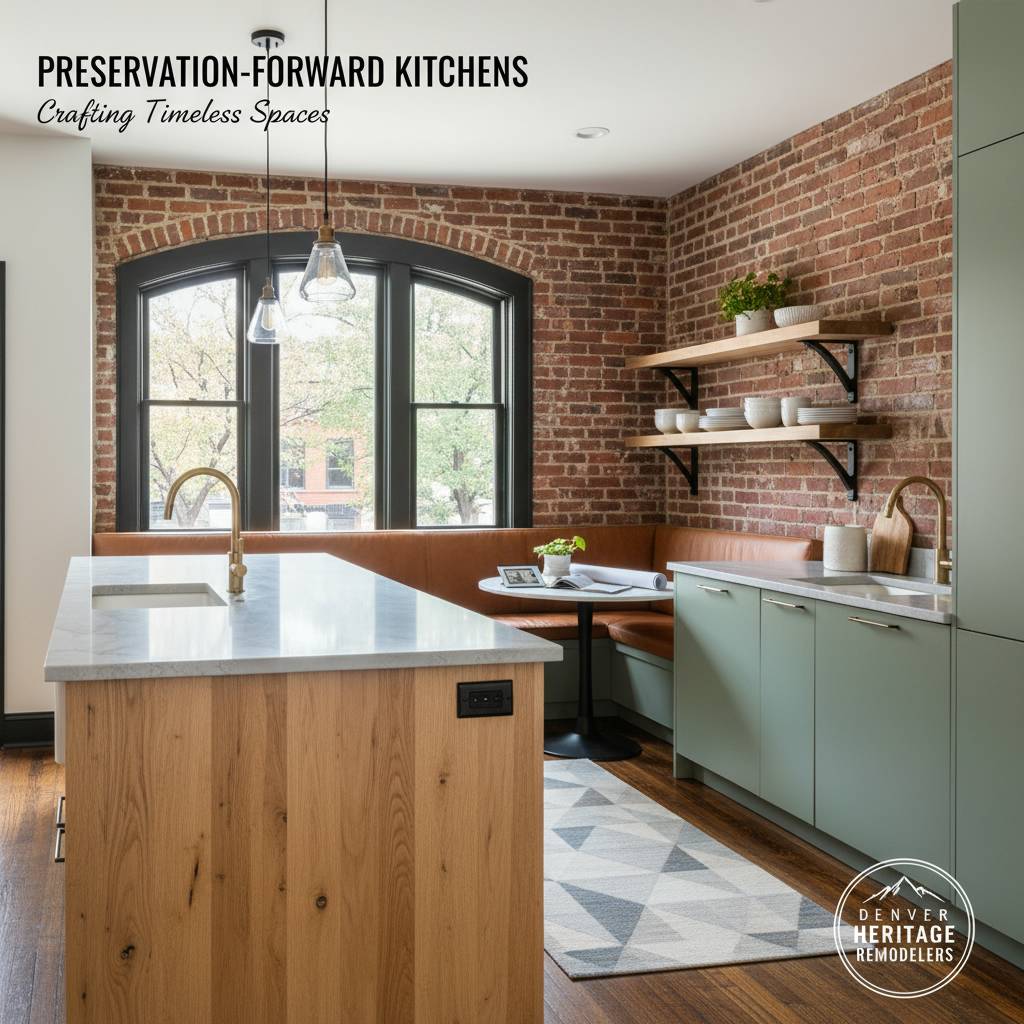 Case study 1: A 1920s bungalow kitchen retained its original built-in buffet and window seat. Instead of removing these features, the team at rebuilt the cabinet interiors to modern standards, added integrated refrigeration behind custom panels, and introduced a period-appropriate tile hearth around a new range. The result preserved visible character while adding contemporary convenience and storage.
Case study 2: In a mid-century home, the kitchen's original open shelving and tiled backsplash were in fair condition but inconsistent for modern use. The remodel replaced damaged tiles with handcrafted reproductions, refinished shelving in a matte finish, and installed a concealed venting system to keep silhouettes clean. Buyers appreciated the preserved mid-century aesthetic combined with today's functionality.
Frequently asked questions
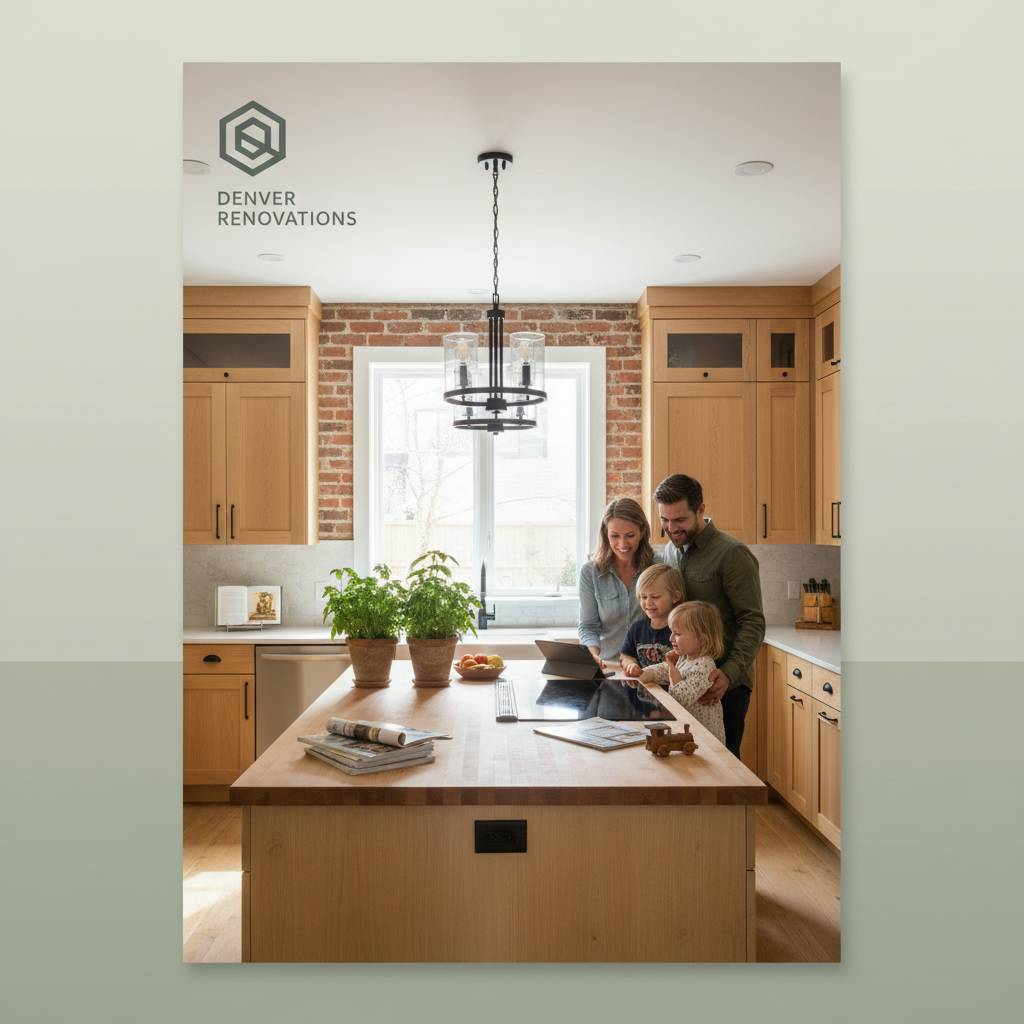
What does "preservation-friendly" actually mean for a kitchen remodel?
Preservation-friendly remodels prioritize retaining and repairing original elements that contribute to the home's historic character. This often includes restoring original cabinetry, floors, trim, and fixtures, while updating mechanical systems and adding modern functionality in ways that do not disrupt visible historic fabric. The approach favors conservation and sympathetic replacement over wholesale demolition and replacement.
Can I add modern appliances without ruining the look?
Yes. Choose integrated or panel-ready appliances when possible, or select models with classic styling that complements the period of your home. Position larger appliances in less prominent locations or within framed alcoves that recall historical cooking nooks. Careful selection and placement let you enjoy modern performance without sacrificing style.
Are there cost-effective preservation strategies?
Targeted restoration is frequently more cost-effective than complete replacement. Refinishing existing surfaces, retrofitting storage inside original cabinetry, and reusing original doors and hardware can save money while preserving authenticity. Prioritizing visible and impactful features for restoration maximizes return on investment.
How do I balance original charm with energy efficiency?
Upgrade insulation, windows, and appliances as part of the remodel, but do so in ways that are reversible or hidden. Storm windows fitted inside existing frames, discreet weatherstripping, and energy-efficient lighting that matches period aesthetics are all effective solutions. Many historic homes can achieve better efficiency without compromising their defining visual elements.
Ready to explore preservation-friendly kitchen remodel ideas?
If you value authenticity and want a kitchen that performs for modern life while honoring original design, can help. We provide tailored plans that identify which elements to preserve, which to restore, and where thoughtful modernization will make the most difference. Our process emphasizes clear communication, realistic budgeting, and craftsmanship that respects the home's history.
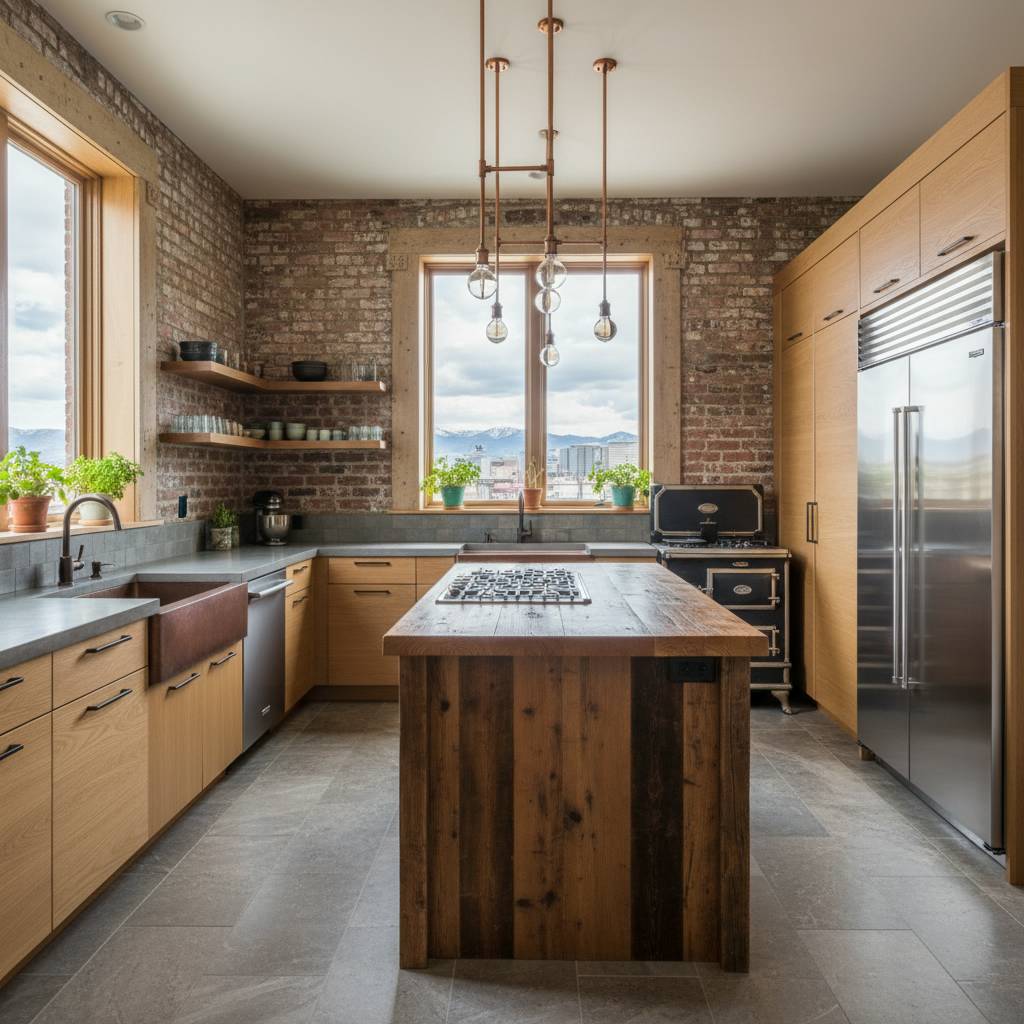
Contact today to schedule a consultation and start exploring layouts, finishes, and materials that honor your home. Call to speak with our team and set an appointment. We look forward to helping you realize a kitchen that feels both timeless and livable.