
Preserve Character While Adding Value
Preserving character while adding value: an introduction
Older homes carry stories written into their moldings, staircases, and window profiles. When you aim to preserve character while adding value, the approach must be surgical rather than wholesale-focusing on selective upgrades that respect original details. advises homeowners and investors on choices that maintain period appeal while making a property comfortable and market-ready for today's buyers.
In this guide you'll find practical strategies rooted in conservation-minded thinking and modern market expectations. We cover why restraint often outperforms broad modernization, how to identify which features deserve protection, and which interventions provide measured returns. If you want to keep the soul of a house while enhancing livability, the following sections will help you plan and prioritize effectively.
Core principles for sympathetic improvements
Start with an inventory: note original elements such as cornices, doors, trim, stair spindles, flooring, and windows. Before undertaking any work, document these features with photos and measurements. This record keeps decisions anchored to what is irreplaceable and what can be sensitively upgraded. The goal is to ensure that any new investment amplifies existing character rather than masking it.
A guiding principle is minimal intervention. That means choosing reversibility and visual compatibility when possible-repairs that can be undone or removed without damage are preferable. Practical examples include restoring original sash windows rather than wholesale replacement, or using matching trim profiles when repairing damaged sections of woodwork. These decisions maintain authenticity and protect future resale appeal.
Balance authenticity with modern comfort: buyers appreciate historic charm but also expect efficient systems and functional kitchens and baths. Strategic upgrades-like improving insulation, updating mechanical systems, and installing modern kitchen appliances-bring homes into contemporary use while preserving visible period details. Focus on interventions that deliver comfort and efficiency but do not compromise the building's defining aesthetics.
Room-by-room strategies for selective upgrades
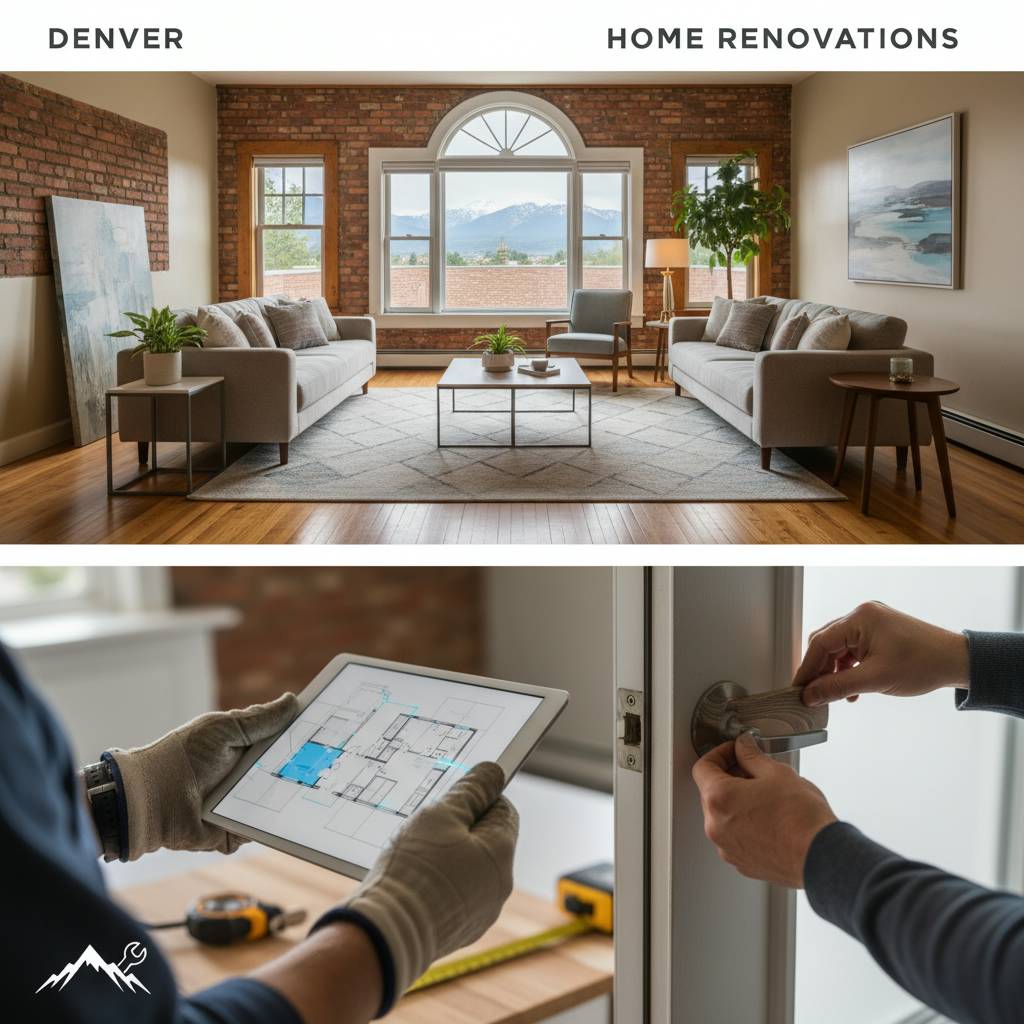 Kitchens often drive purchase decisions, but sympathetic kitchens can be achieved without erasing period character. Keep or replicate distinctive elements such as pantry doors, built-in benches, or original cabinetry profiles. Replace nonoriginal, poorly designed cabinets with custom solutions that echo historic proportions and materials while incorporating modern storage solutions and energy-efficient appliances.
Bathrooms benefit from careful planning: retain original tile patterns, cast-iron tubs, or period vanities if they are salvageable. Where fixtures must be replaced, select styles that read as traditional but perform to modern standards-wall-mounted faucets, reproduction tiles, and retrofitted showers that conceal modern plumbing behind traditional facades. Thoughtful lighting and ventilation complete a bathroom update without sacrificing charm.
Living areas and bedrooms are prime spaces to display original features. Refinish rather than replace hardwood floors when possible, and repair plasterwork instead of covering it with drywall. When introducing new finishes-paint colors, window treatments, or trims-choose palettes and materials that highlight original molding and architectural rhythm. These steps preserve the home's narrative while making spaces feel fresh and liveable.
Windows, doors, and trim: small details that matter
Windows and doors are visual anchors for any period property. Consider sash repair, weatherstripping, and adding storm windows rather than wholesale replacement. These measures improve energy performance while retaining muntin patterns and original profiles. Similarly, repair or replicate trim and skirting boards with matching profiles; mismatched new trim is one of the quickest ways to erode perceived authenticity.
Materials, finishes, and hardware choices
Selecting materials that read appropriately with the house's era is central to preserving character while adding value. Authentic materials-solid wood, lime-based mortars, natural stone, and traditional metalwork-offer durability and visual consistency. When budget or performance demands modern substitutes, choose high-quality alternatives that closely mimic texture and finish so new components blend rather than shout.
Hardware and lighting are small investments with outsized impact. Period-appropriate door knobs, switch plates, and light fittings reinforce style coherence throughout a property. Upgrading to modern standards (grounded outlets, coded wiring, LED sources) can be done behind historically sympathetic fixtures, preserving the visual integrity while delivering real-world improvements.
Paint and surface treatments should emphasize restoration over trend-driven repainting. Neutral or historically informed palettes reveal original architectural lines and make spaces adaptable for buyers. A well-chosen paint color can revive original moldings and built-ins, making the whole property feel cared for without masking its provenance.
Budgeting, timeline, and value considerations
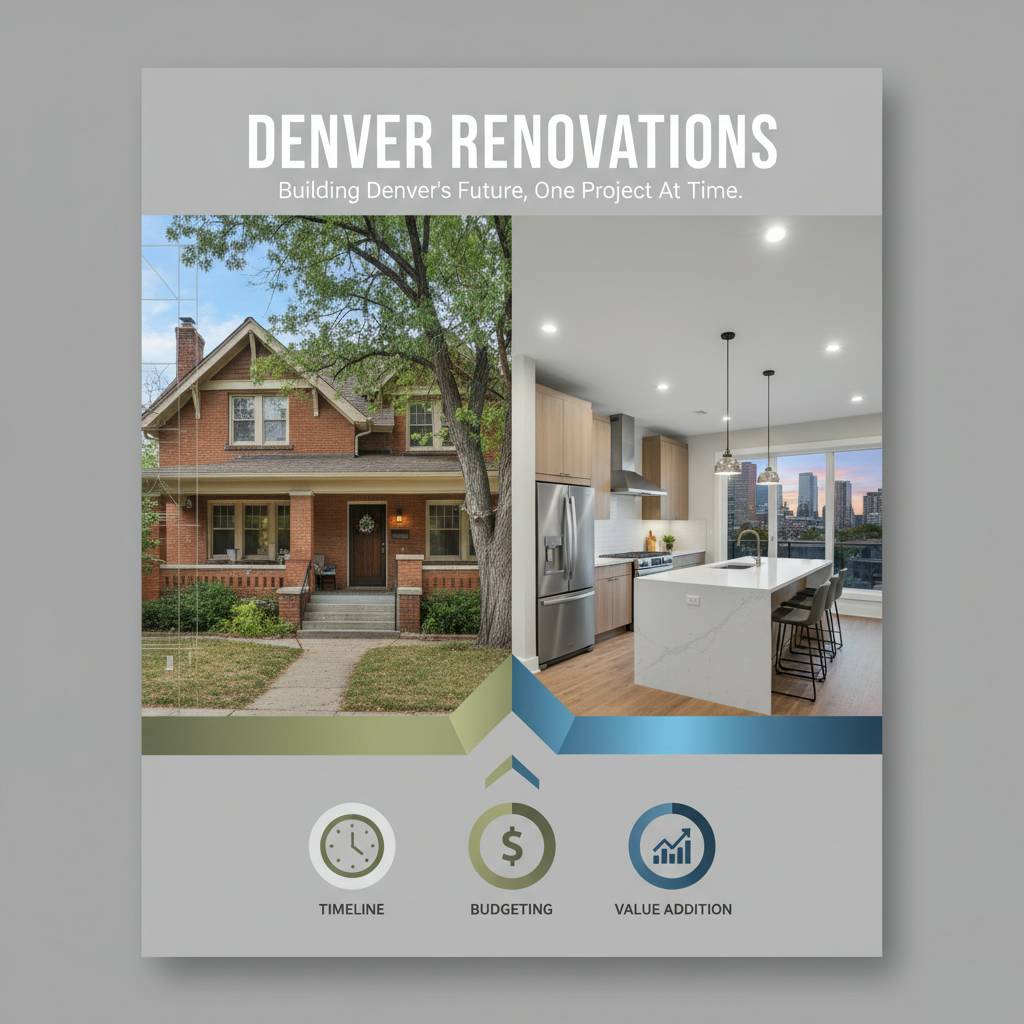 Evaluate interventions by their expected return and their impact on the home's character. Low-cost, high-impact moves-refinishing floors, repairing rather than replacing windows, updating lighting-often produce excellent market returns. More expensive projects like full kitchen replacements or substantial structural changes should be planned with respect to the house's period narrative; sometimes a modest, well-styled kitchen will outperform an oversized modern island in a Victorian context.
Create a phased plan: prioritize structural integrity, systems (electrical, plumbing, heating), and weatherproofing before aesthetic upgrades. This sequence protects your investment and prevents cosmetic work from being undone by later system interventions. Allocate contingency funds for uncovering hidden conditions-older homes commonly expose unexpected issues once work begins.
To help prioritize, consider a simple table comparing typical interventions, their character impact, and typical cost ranges. These numbers serve as ballpark guidance and should be refined with local contractors and specialists.
| Intervention | Character impact | Typical cost range |
|---|---|---|
| Window sash repair storm | High preservation, low visual change | $300-$1,200 per window |
| Refinish hardwood floors | High preservation, refreshed look | $3-$8 per sq ft |
| Kitchen refresh with period details | Medium impact, retains original rhythm | $10,000-$45,000 |
| Bathroom modernization with classic fixtures | Medium impact, maintains visual continuity | $8,000-$30,000 |
| Full window replacement with modern units | High visual change, lower authenticity | $500-$1,500 per window |
Practical workflows and hiring the right specialists
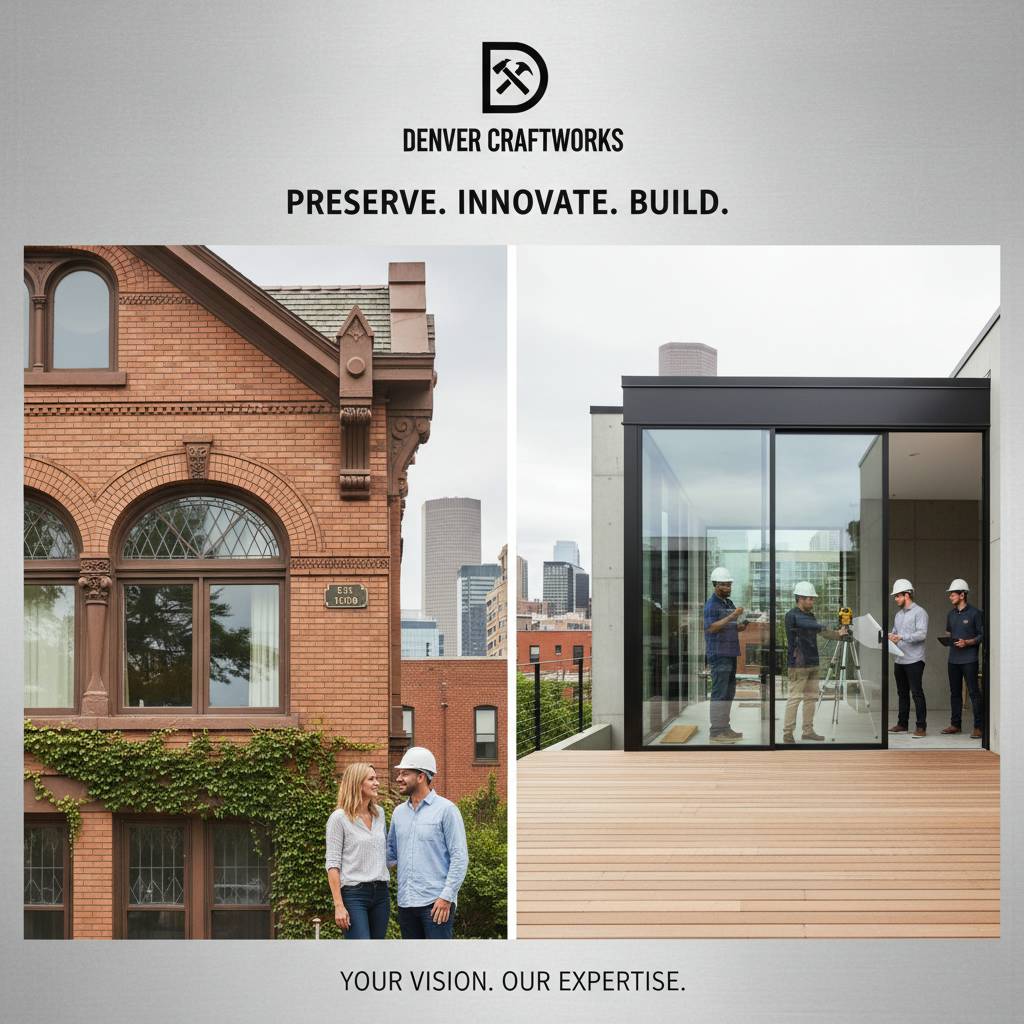 Choosing contractors who understand heritage conservation is essential. Look for craftsmen and tradespeople with experience in sash window repair, plaster restoration, joinery, and historic masonry. Ask for past projects that demonstrate sensitivity to detail, and request references from owners of similar homes. Clear communication about the intention to preserve character sets expectations from the start.
Engage a designer or architect early if you plan structural changes. These professionals can develop plans that incorporate modern building codes while preserving facade and interior character. For smaller interventions, a skilled carpenter or restoration specialist can often deliver a high-quality outcome at lower cost than a large renovation firm, especially when details and material matching matter.
Maintain a written scope of work that lists elements to be retained, repaired, replicated, or replaced. This document reduces misunderstandings and creates accountability. Include photos and finish references so that every subcontractor knows which moldings, doors, windows, or tiles are considered non-negotiable.
Case studies and real-world examples
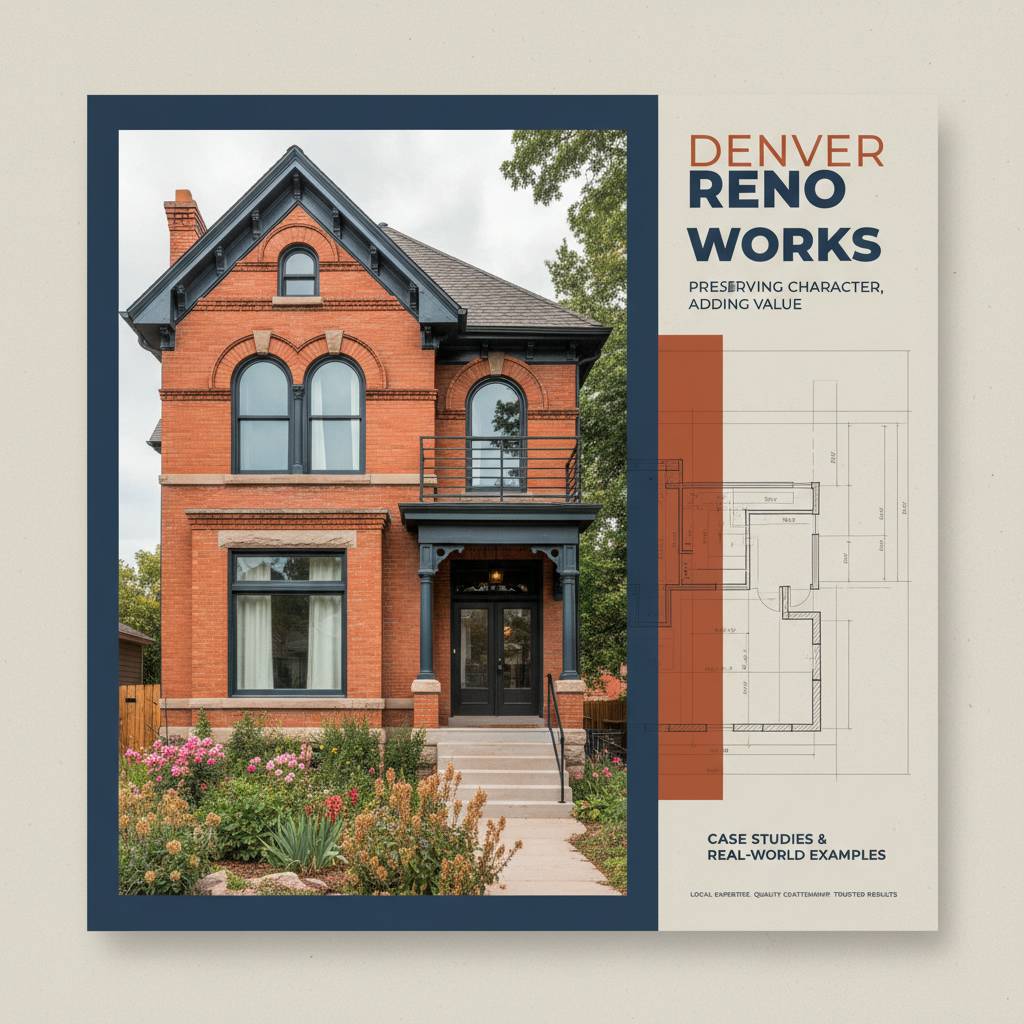 Case Study 1: A 1920s bungalow received a selective kitchen update that preserved an original built-in breakfast nook and beadboard. The project replaced dated cabinetry with shaker-style pieces that matched the original trim, installed a modern induction range, and improved lighting. The result preserved the home's cozy character while delivering a modern cooking experience appreciated by buyers.
Case Study 2: A late-Victorian townhouse kept its ornate stair balustrade and upper-floor mantelpieces while upgrading mechanical systems and insulating walls. The owners prioritized window repair and storm windows over full replacement; this reduced energy loss and preserved original sightlines. Buyers responded positively to the visible historic features combined with reliable modern systems.
These examples demonstrate that selective work-targeted, respectful, and well-executed-often delivers both aesthetic satisfaction and market advantage. They illustrate the principle that small, high-quality interventions can yield larger perceived value than sweeping but insensitive remodels.
Frequently asked questions
 How do I decide what to keep and what to replace? Start by identifying features that are original and structurally sound. Features that define the house's style-doors, cornices, staircases, original windows-usually merit preservation. Replace non-original or damaged items that detract from the period aesthetic, and select replacements that echo original materials and proportions.
Will preserving character make it harder to sell? Not if you balance historic charm with modern comforts. Many buyers actively seek homes with authentic period details, and thoughtful upgrades (efficient mechanical systems, refreshed kitchens and baths, improved insulation) make properties attractive to a broader audience without erasing the history they value.
Can I save money by doing it myself? Homeowners can take on measurable, low-risk tasks such as painting, stripping and refinishing floors, or managing procurement. However, specialized work like sash repair, plaster restoration, and complex electrical or plumbing should be handled by qualified professionals to avoid damage to original fabric and to ensure long-term performance.
Final recommendations and next steps
Begin with a prioritized plan that protects the most important historic features and addresses critical systems first. Document existing conditions, consult specialists, and request itemized proposals that distinguish preservation work from replacement work. This discipline keeps the project focused, manageable, and true to the goal to preserve character while adding value.
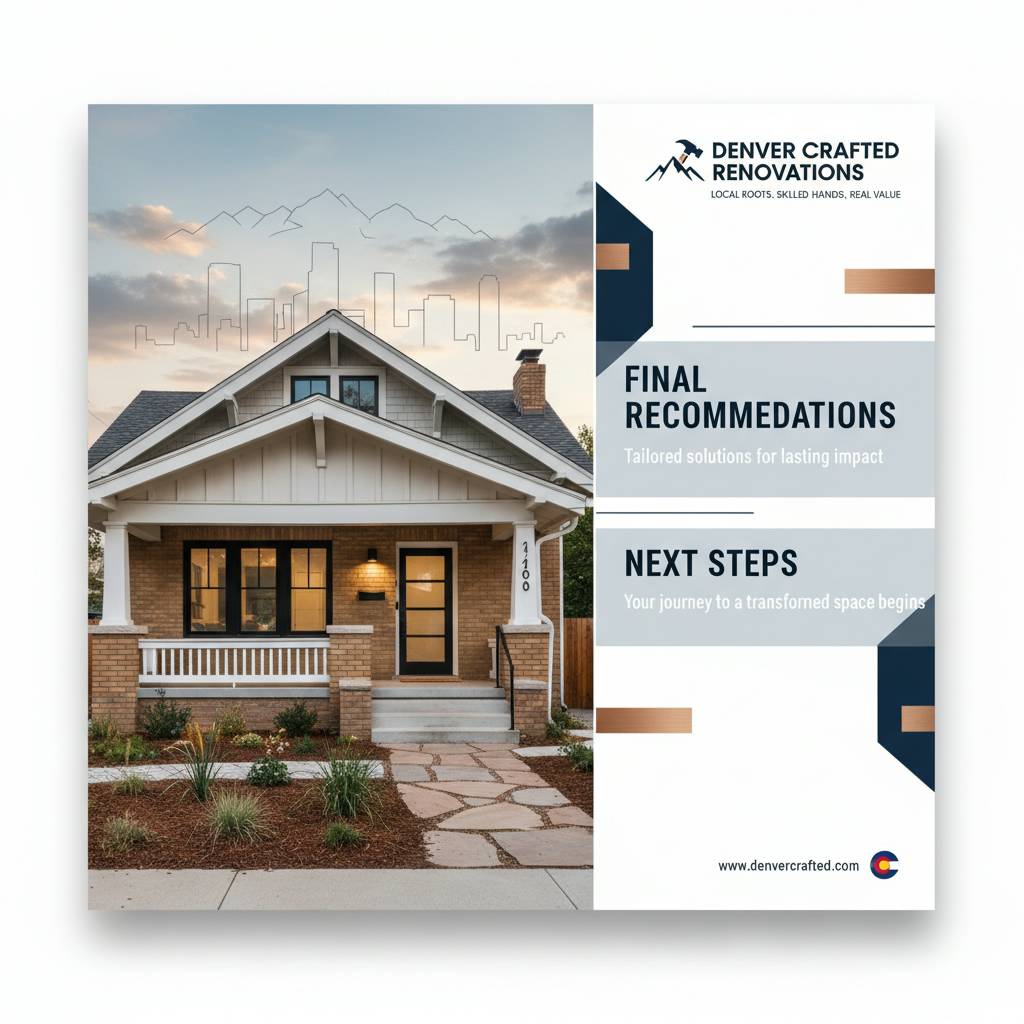
When discussing your project with contractors or designers, use visual references and clear language about what must remain untouched. If you have a nickname for your project or property, can be a useful shorthand in communications, but prioritize clarity over cleverness. A shared vocabulary helps ensure everyone understands which details are essential.
Ready to discuss options?
is available to evaluate your property, suggest prioritized improvements, and connect you with trusted tradespeople who specialize in sympathetic restoration. To schedule a consultation, reach out today at . We'll help you plan upgrades that honor the past and appeal to today's buyers.
Thank you for considering thoughtful, selective improvements. Contact at to plan sympathetic upgrades that preserve character while adding value to your home.