ROI-Focused Historic Renovation Planning
An ROI focused renovation plan identifies projects that deliver measurable value. creates budgets and timelines that target the best returns. Call to schedule a consultation. We prioritize work that enhances resale value while protecting heritage elements.
Why an ROI-focused historic renovation planning approach matters
Renovating a historic property is more than aesthetic improvement; it's an investment decision. Homeowners and developers who pursue ROI-focused historic renovation planning make choices that protect heritage while producing measurable financial benefits. Rather than renovating impulsively or following trends, this approach prioritizes projects that improve market value, extend the lifespan of original components, and reduce long-term maintenance costs.
When you plan with ROI in mind, every dollar spent is evaluated against outcomes such as increased resale appeal, energy savings, and reduced repair cycles. This is particularly important for historic properties where conservation constraints and unique materials can drive costs higher. A thoughtful plan helps avoid over-improving relative to neighborhood expectations while safeguarding character-defining elements that buyers and preservation authorities value.
Initial assessment: documenting condition and market potential
 A rigorous assessment is the foundation of any ROI-focused historic renovation planning process. Start with a detailed property inspection that records structural conditions, mechanical systems, finishes, and character-defining elements like moldings, staircases, windows, and original flooring. Photographs, measured drawings, and a prioritized defects log help translate observations into budgeting and timelines.
Equally important is a market assessment. Analyze comparable sales in the neighborhood, recent renovation premiums, and buyer preferences for historic features. This helps determine which upgrades yield the best return in your specific market. For example, in neighborhoods where period details are prized, restoring original windows and mantels can significantly increase perceived value. Conversely, in more modernized areas, strategic kitchen and bathroom updates may produce higher returns.
Prioritizing projects that deliver measurable value
With assessment data in hand, the next step is to prioritize projects that balance preservation and financial return. Prioritization should consider four dimensions: impact on resale value, impact on safety and code compliance, cost and timeline, and the degree to which the project preserves historic character. That balanced view ensures you do the right work at the right time, rather than expensive cosmetic changes with little measurable benefit.
Typical high-priority items in ROI-focused historic renovation planning include energy-efficiency upgrades that maintain exterior appearance, essential structural repairs, and kitchen or bath modernizations executed with sensitivity to original details. Projects that only cater to personal taste without improving function or marketability should be ranked lower unless they are essential for personal occupancy.
Common project categories and expected outcomes
Below are common renovation categories with typical outcomes when executed thoughtfully on a historic property. These are approximate and depend on location, finish level, and local market expectations.
| Project Type | Typical Cost Range | Expected Impact on Resale Value |
|---|---|---|
| Kitchen refresh or selective remodel | $10,000-$60,000 | Medium to High - especially if appliances and layout improve function |
| Window restoration and weatherization | $75-$200 per pane or $2,000-$10,000 per window assembly | High - preserves character and improves energy performance |
| Structural stabilization and roof repairs | $3,000-$50,000 | Very High - necessary for saleability and code compliance |
Creating budgets and realistic timelines
 Good ROI-focused historic renovation planning relies on accurate budgets and realistic timelines. Estimate costs with line-item detail for labor, materials, specialty conservation work, permits, and contingency (commonly [%10-20%] for historic projects). Use quotes from contractors experienced with older buildings to avoid surprises; labor rates and the need for custom materials often push costs higher than new-build analogues.
Timelines must account for discovery phases and approvals. Uncovering hidden damage-rot, deferred structural repairs, or outdated systems-can extend a project by weeks or months. If the property requires review by a local preservation board, include time for design review and potential revisions. creates budgets and timelines that intentionally build in these buffers so schedules remain credible and allow for necessary conservation treatments.
Budgeting tips for accuracy and flexibility
- Obtain at least three bids for major trades and compare scopes, not just prices.
- Use contingency tiers-one for unknown conditions and one for owner-driven changes.
- Prioritize high-impact items in early budget phases to preserve buying power.
- Track costs monthly and reforecast when changes occur to avoid scope creep.
Design strategies that protect heritage while improving return
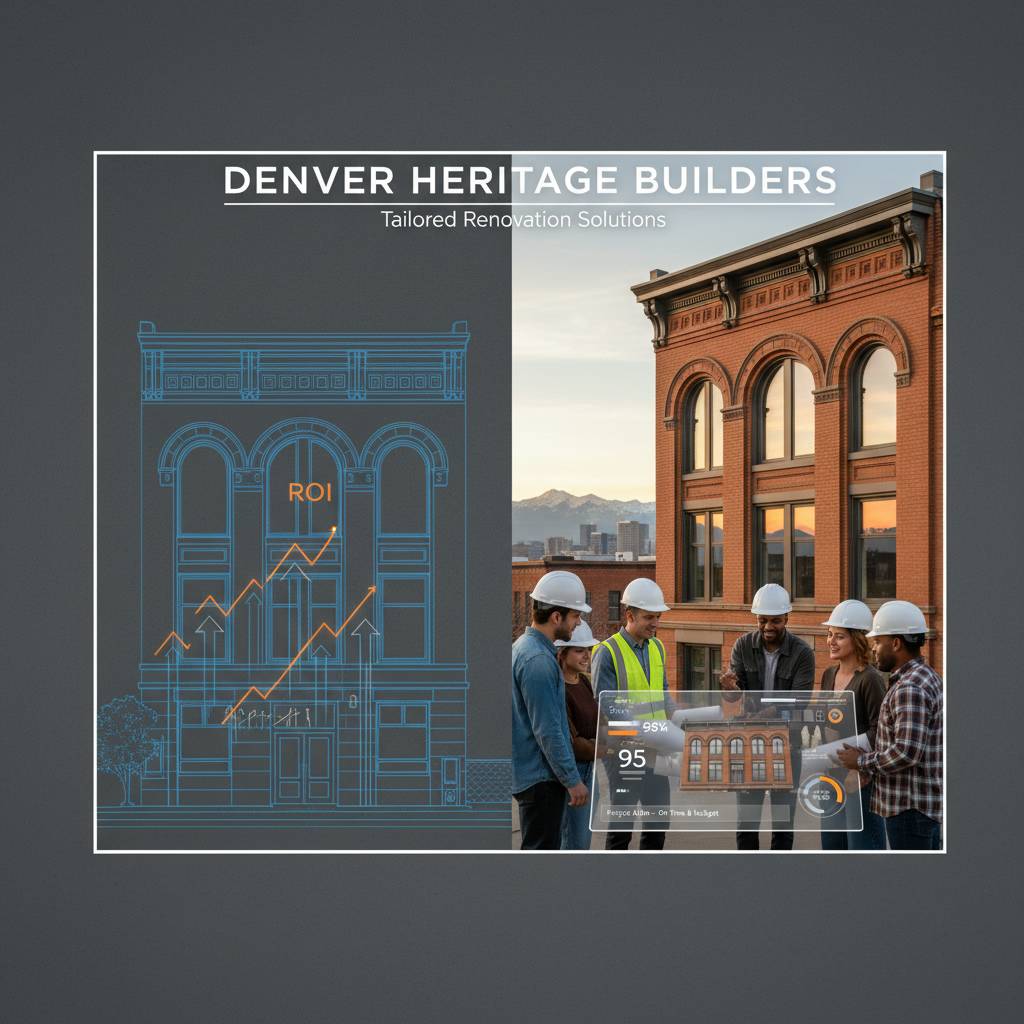 Design interventions should be reversible where possible and should celebrate character rather than erase it. Simple design principles often yield the best returns: restore or replicate distinctive elements, conceal modern infrastructure sensitively, and use complementary materials. For instance, upgrading insulation from the inside while preserving original exterior brick or siding maintains faade integrity and improves energy performance.
In many cases, selective modernization-such as adding modern fixtures in a restored period-appropriate kitchen-attracts buyers without compromising authenticity. may be referenced by clients who appreciate a tailored approach that balances contemporary living standards with conservation ethics. Thoughtful finishes and period-appropriate color palettes can enhance perceived value while remaining cost-effective.
Selecting contractors and managing trade relationships
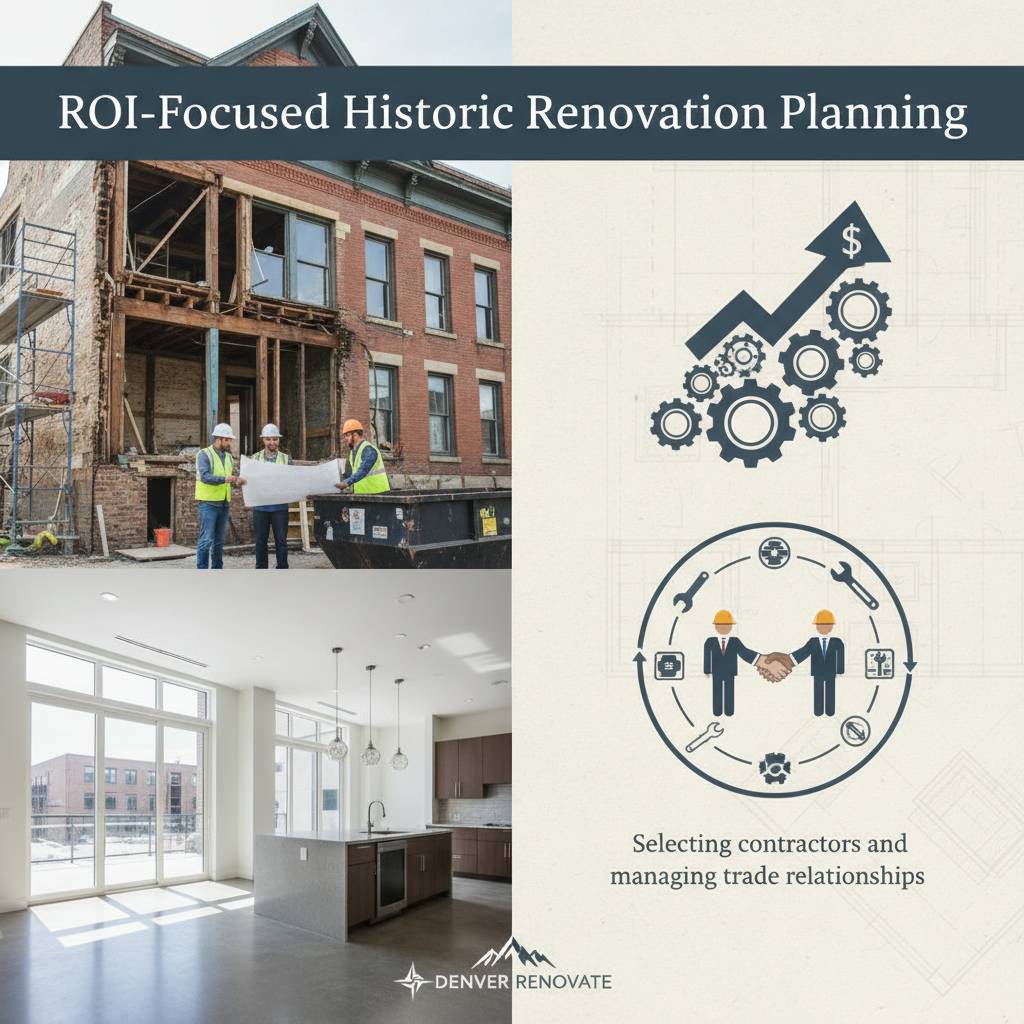 Choosing contractors experienced with historic work is crucial to the success of ROI-focused historic renovation planning. Look for tradespeople who can demonstrate past projects on similar buildings, provide references, and show sensitivity to historic fabric. General contractors who coordinate specialized conservation artisans, such as plaster restorers or sashmakers, will help keep the project aligned with preservation goals and budgets.
Effective management practices include establishing a clear scope, using phased contracts tied to milestones, and maintaining transparent change-order procedures. Regular site meetings and a single point of contact from or the project team reduce miscommunication. When contractors understand the ROI priorities-where to spend and where to hold back-they make better on-the-spot decisions that honor both preservation and cost targets.
Measuring success: metrics and documentation
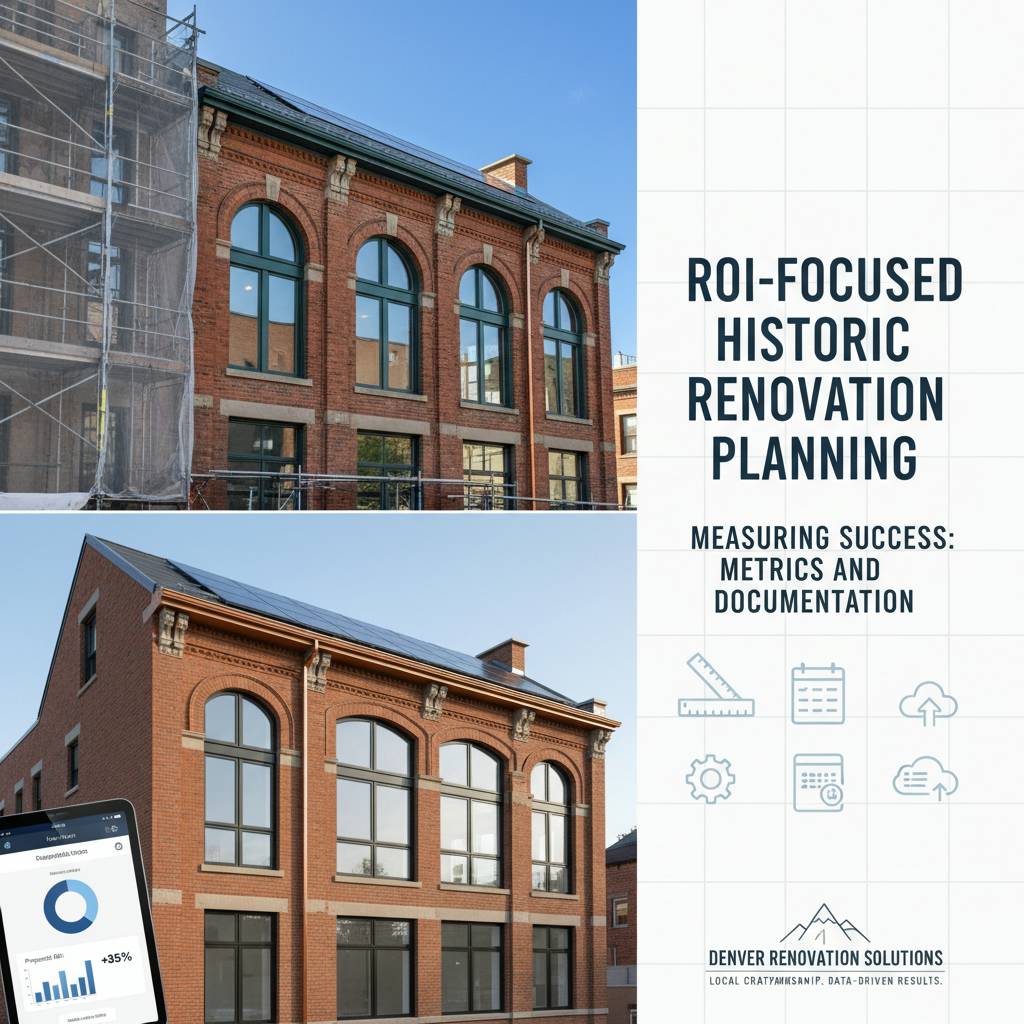 Measure renovation success with both quantitative and qualitative metrics. Quantitative measures include final cost versus budget, days on schedule versus planned timeline, and estimated increase in market value based on comparable sales post-renovation. Qualitative benefits-like improved livability, restored historic craftsmanship, and improved curb appeal-also matter and should be documented with before-and-after photography and written assessments.
Documentation is a valuable asset for resale and for future maintenance. A well-kept file that includes material specifications, contractor warranties, historical research, and conservation treatment records demonstrates stewardship to buyers and local preservation officers. This documentation can justify higher asking prices and reassure prospective owners that the property has been cared for with expertise.
Case study snapshot: a strategic, ROI-driven renovation
Consider a late-19th-century brick home where deferred roof repairs and outdated systems were the primary obstacles to sale. An ROI-focused plan prioritized structural stabilization and roof replacement, then targeted a selective kitchen upgrade and window weatherization. By addressing the highest risk and highest impact items first, the project reduced carrying costs and increased marketability within months of completion.

Outcomes included shorter time on market and a sale price that reflected the property's restored elegance. The owner preserved original trim and mantels, updated mechanical systems discreetly, and invested strategically in finishes that resonated with local buyers. That combination of preservation and investment discipline is typical of projects that succeed under ROI-focused historic renovation planning.
Common questions and practical answers
How much should I expect to spend on contingencies?
For historic properties, contingency should be larger than for new construction-generally [%10-20%] for known unknowns like concealed damage, and an additional smaller contingency for owner-driven changes. A layered contingency approach helps keep funds available when surprises appear without derailing the whole project.
Will restoring original features always increase resale value?
Not always, but often. Restoring original features typically increases perceived value among buyers who appreciate authenticity, and it can reduce long-term maintenance costs. The key is to match restoration decisions to market expectations-restore what buyers in your area value and modernize where necessary to meet functional needs.
Next steps and how helps
If you're beginning a renovation or trying to prioritize work on a historic property, start with a professional assessment that ties condition to market realities. offers targeted planning services that include condition surveys, market-aligned prioritization, detailed budgets, and timelines purpose-built for ROI-focused historic renovation planning. Our goal is to protect heritage while delivering measurable value.
We can prepare phased plans so core necessities are addressed first, and optional upgrades are scheduled later-allowing owners to manage cash flow and reduce carrying costs. When you work with , you get a partner who speaks both the language of preservation and the language of investment.
Call to schedule a consultation or request a project estimate. We take a realistic, evidence-based approach so your renovation work enhances resale value while protecting the character-defining elements that make a historic property special.
Contact today to begin an ROI-focused plan that balances preservation, performance, and profit. We look forward to helping you protect the past while building the future-call to get started.