Step-by-Step Plan to Boost Historic Home Market Value
A clear step by step plan makes boosting market value achievable. creates phased plans with timelines budgets and target outcomes. Call to get a personalized plan. We align improvements with market demand to maximize sale potential.
Increasing the value of a historic home is both an art and a science. With a well-defined step-by-step plan to boost historic home market value, homeowners transform charming properties into highly desirable listings without sacrificing character. helps owners prioritize improvements that buyers actually care about, aligning each phase with realistic timelines, cost estimates, and measurable outcomes so your efforts result in stronger offers and quicker sales.
Whether you are preparing to sell in 6 months or want to increase long-term rental income, a phased approach reduces risk and spreads cost. Instead of guesswork or emotionally driven upgrades, you get an objective roadmap that balances preservation with practical updates. If you'd like a personalized plan, reach out today at -we'll discuss your goals and how to stage improvements for the best return.
Why phased improvements outperform scattered fixes
When restoring or renovating a historic home, attempting every upgrade at once can be expensive and unfocused. A phased plan divides the project into logical, market-driven stages so you can achieve early wins, maintain cash flow, and refine later stages based on buyer feedback or evolving market conditions. This method reduces the likelihood of over-improving for your neighborhood and helps you avoid unnecessary work that won't increase sale price.
Phasing also protects the property's historic integrity. Thoughtful sequencing allows time to consult specialists for preservation-sensitive items, obtain proper permits, and select materials that match the home's character. A deliberate, documented plan preserves both aesthetic and financial value, giving potential buyers confidence that the property has been cared for intentionally rather than patched together.
How assesses a historic home's market potential
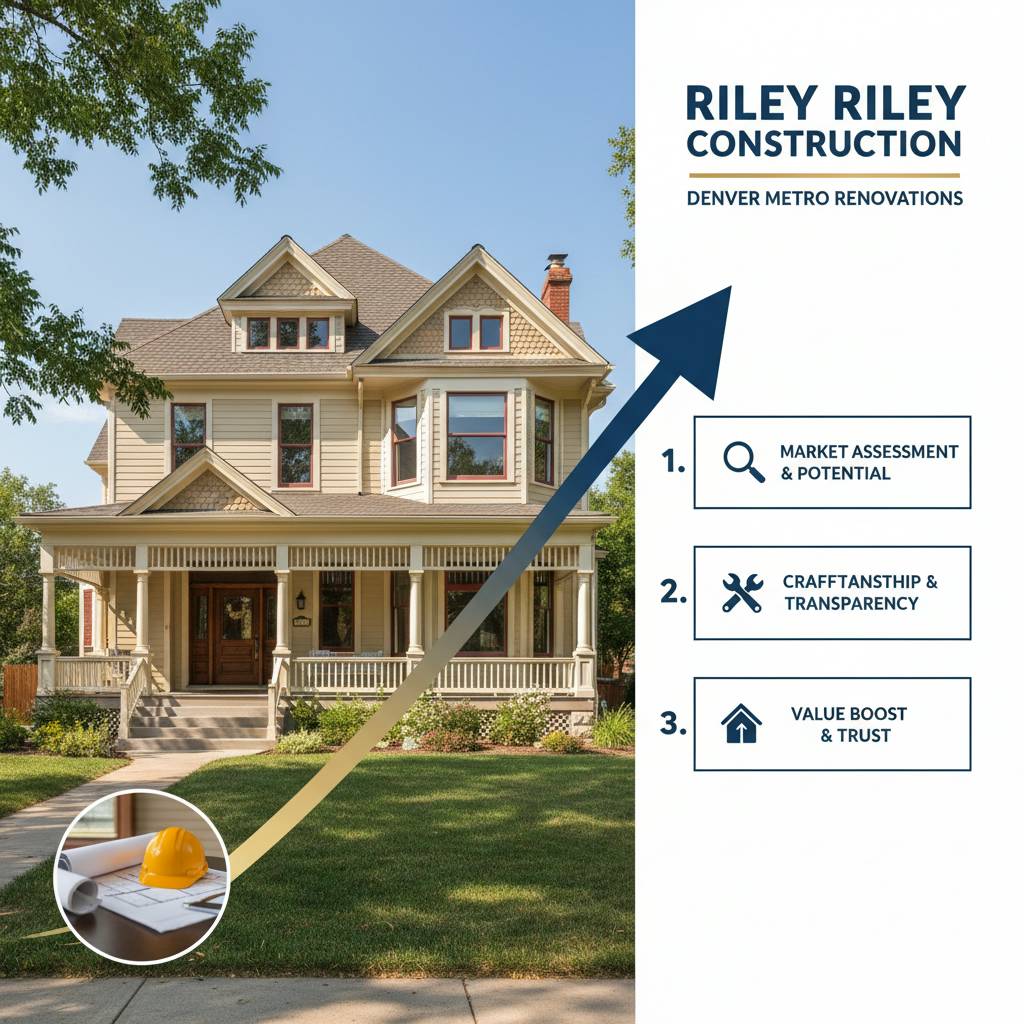 Our process begins with a thorough assessment that blends market analysis with physical inspection. We look at comparable sales, neighborhood trends, the home's architectural significance, and common buyer expectations for similar properties. On the physical side, we survey mechanical systems, structural issues, exterior envelope condition, and cosmetic elements to identify work that will materially influence buyer perception and offers.
That assessment is summarized into a prioritized list of improvement opportunities, each paired with an estimated cost range and projected impact on sale price. We quantify probable outcomes so you understand trade-offs: some upgrades yield predictable price increases, while others mainly improve marketability or shorten days on market. From there, we create an initial phased plan you can adjust based on your budget and timing needs.
Building your step-by-step plan: timelines, budgets, and target outcomes
Phase structure and realistic timelines
A good step-by-step plan to boost historic home market value organizes work into short, medium, and long-term phases. Short-term phases (4-12 weeks) focus on curb appeal, essential repairs, and minor cosmetic updates that influence first impressions. Medium-term phases (3-9 months) include system upgrades and sensitive restorations. Long-term phases (9-24 months) are reserved for major structural or historically guided work that requires permits and specialized craftsmen.
Each phase includes a schedule with contingency windows for weather, permitting delays, or sourcing historic materials. We recommend planning at least [%10-20%] schedule buffer for older homes-unexpected discoveries are common and should not derail your broader sale timeline. This realistic pacing helps protect your budget and keeps the property market-ready at the right moment.
Budgeting with transparency
Budgets are created as ranges rather than fixed numbers because historic homes often reveal hidden issues. We provide low, likely, and high estimates for each phase so you can make informed decisions and set reserves accordingly. Budgeting also accounts for soft costs like permit fees, design consultation, and temporary housing if needed. When possible, we prioritize low-cost, high-impact work first to improve listing appeal early for minimal expenditure.
To keep surprises manageable, we recommend setting aside contingency funds-typically [%10-20%] of the phase cost-and approving major changes only after a secondary estimate. This disciplined approach prevents scope creep and ensures funds are available for the interventions that actually move the value needle.
Defining target outcomes and metrics
Every phase has clear target outcomes, such as increase in comparable sale price range, expected reduction in days on market, or improvement in appraised value. For example, a front-porch restoration might be projected to improve perceived value by supporting a higher comparable, while a mechanical system overhaul reduces inspection contingencies. Measurable goals allow you to evaluate success and decide whether to accelerate subsequent phases.
We track simple metrics-cost per phase, weeks to completion, buyer feedback, and listing performance-to refine the plan. This data-driven loop helps you avoid over-investing and provides a defensible rationale for each improvement when discussing price with potential buyers.
Implementation: prioritization, permitting, and contractor coordination
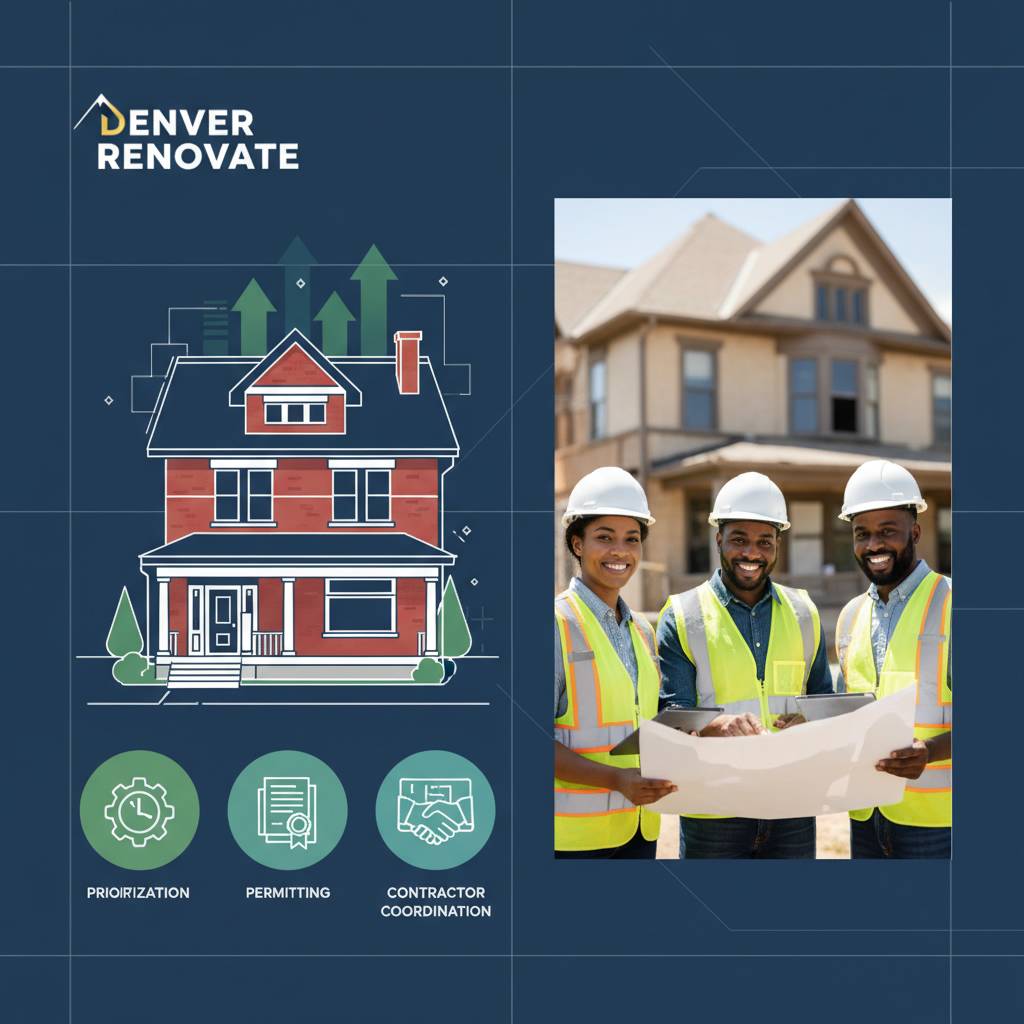 Executing a step-by-step plan to boost historic home market value requires coordination among designers, preservation specialists, contractors, and local authorities. Prioritization ensures that work requiring permits or long lead times begins early, while smaller cosmetic items are scheduled just before photographs and open houses. We manage timelines so contractors are sequenced rather than overlapping inefficiently, which keeps costs down and reduces site disruption.
Permitting is often an underappreciated time sink for historic homes. We identify necessary approvals in the planning stage and prepare the required documentation to expedite reviews. Where historic district rules apply, we involve local preservation officers early to ensure materials and methods meet guidelines, avoiding costly rework or plan modifications late in the process.
Quality control matters: we recommend periodic on-site reviews by a project manager or preservation consultant to confirm work aligns with plan objectives and historical accuracy. This oversight reduces the risk of quick-fix solutions that can harm long-term value, and it documents the home's condition and improvements for potential buyers.
Typical costs and expected returns for historic homes
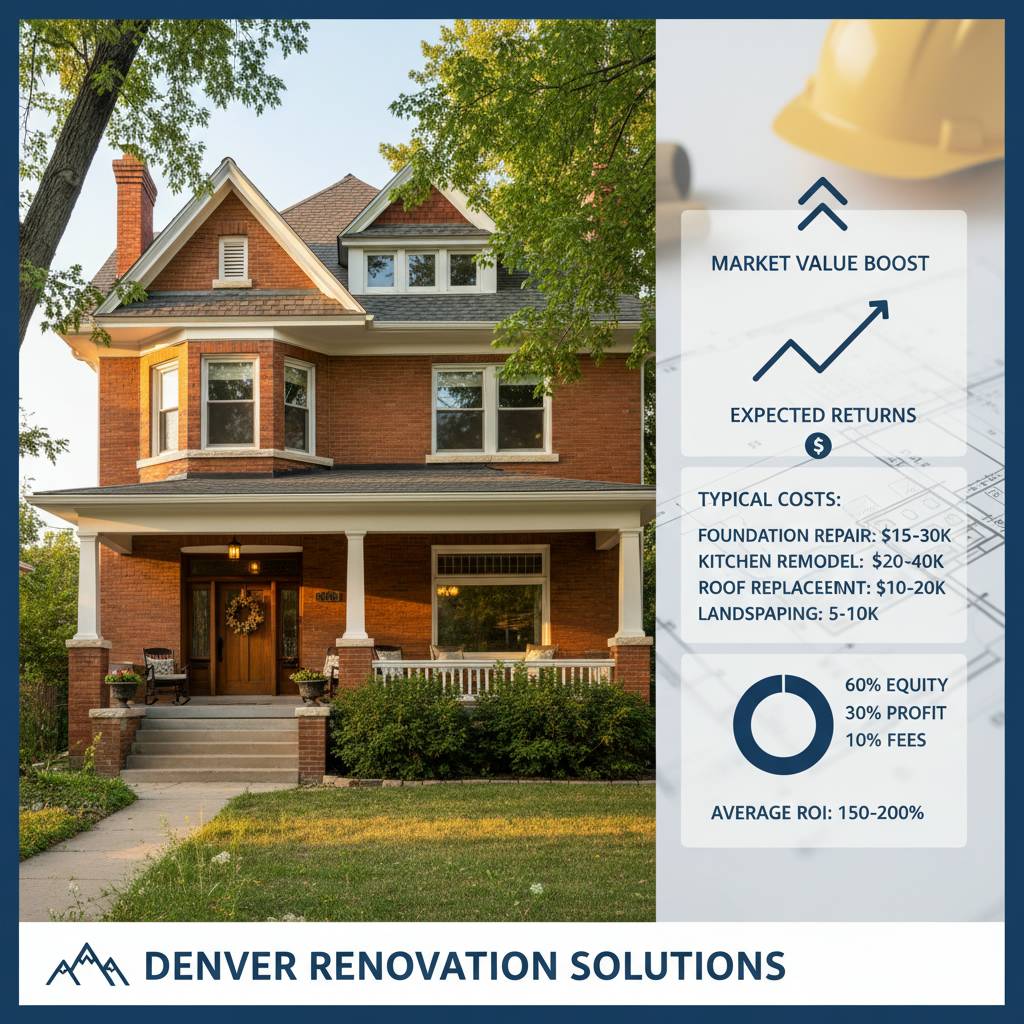 Costs vary widely depending on size, condition, and the level of historical fidelity required. To give practical guidance, here are common line items with typical price ranges. These estimates are intended to help you set realistic expectations and prioritize phases according to budget and likely impact.
| Improvement | Typical Cost Range | Primary Benefit |
|---|---|---|
| Exterior paint and trim repair | $3,000-$15,000 | Immediate curb appeal, stronger photo presence |
| Front porch/entry restoration | $5,000-$30,000 | Emphasizes character, increases perceived value |
| Historic window repair (vs. replacement) | $75-$200 per sash (repair) | Preserves authenticity and energy performance |
| Mechanical system upgrades (HVAC, plumbing, electrical) | $8,000-$40,000 | Reduces inspection contingencies and appeals to buyers |
| Kitchen refresh (preserving historic layout) | $10,000-$50,000 | Modern functionality without compromising period details |
| Structural or foundation stabilization | $5,000-$60,000 | Addresses major buyer concerns and appraisal issues |
Return on investment depends on neighborhood comps and buyer expectations. Small cosmetic investments often shorten time to sale and can increase offers by presenting the home as move-in ready. Larger investments-like system upgrades or structural repairs-are essential when they remove buyer contingencies or allow the property to qualify for higher appraisal bands. models expected ROI for each phase so you can make prioritized choices that align with your sale goals.
Case study: a phased success story
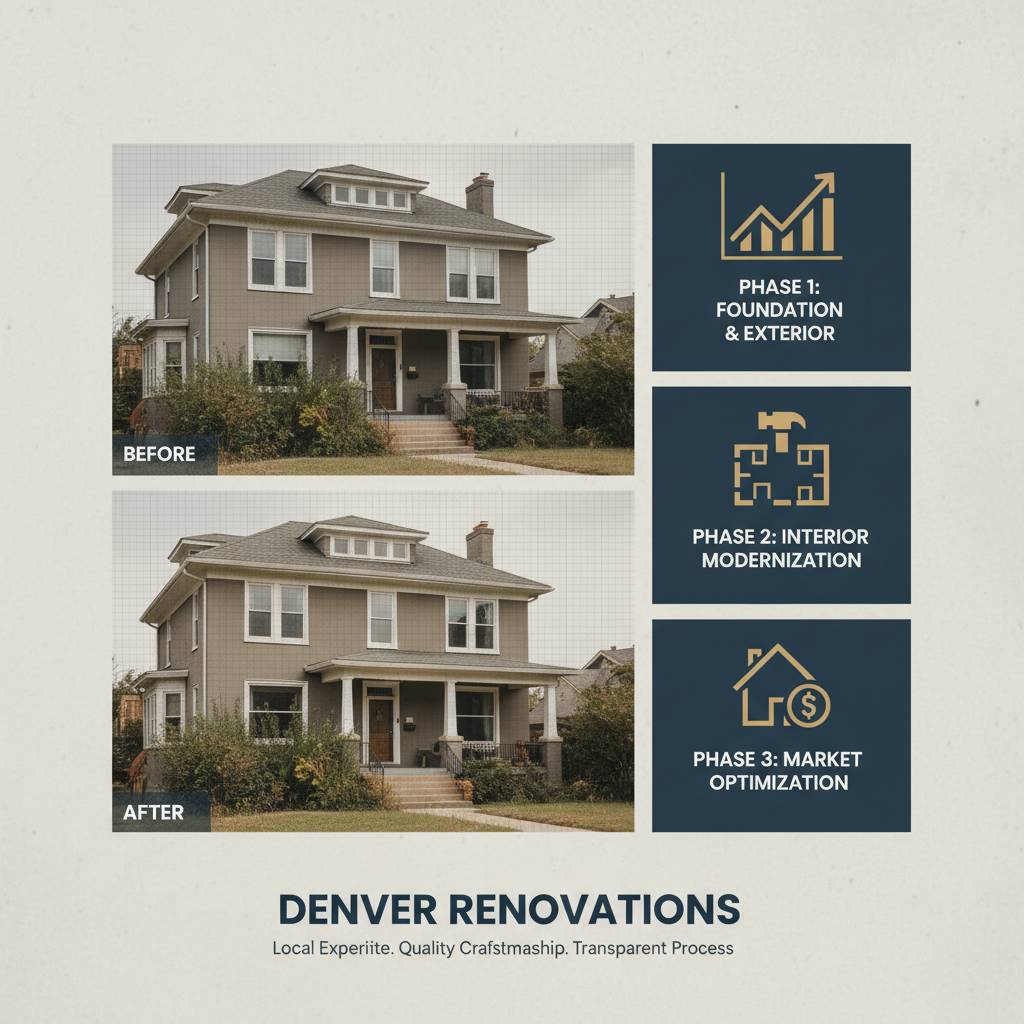 A 1920s bungalow in a desirable district illustrates the power of phased planning. The owner wanted to sell within a year but could not afford a full restoration. proposed three phases: immediate curb appeal (paint, landscaping, porch repair), short-term systems (HVAC and electrical updates), and targeted historic repairs (window sash restoration and period-appropriate hardware). Each phase was timed to deliver visible improvements before marketing events.
The result: the home listed after two phases, garnered multiple offers 12 days on market, and closed within the neighborhood's higher comparable range. Buyers praised the blend of preserved character and updated systems-two outcomes the phased strategy targeted explicitly. By deferring the most costly historic repairs until after offer acceptance, the seller also preserved negotiating leverage and reduced carrying costs.
This example highlights how a step-by-step plan to boost historic home market value can deliver measurable outcomes even when resources are limited. Thoughtful sequencing, clear goals, and expert coordination made the difference between a mediocre listing and a competitive sale.
Frequently asked questions
- How long does a phased plan usually take?
Timing depends on scope and permitting but most plans are structured into short (weeks), medium (months), and long (up to 24 months) phases. Typical seller timelines aim to complete high-impact short-term work within 4-12 weeks to prepare for listing.
- Can I prioritize low-cost improvements first?
Yes-low-cost, high-impact work such as paint, landscaping, and professional cleaning frequently improves listing photos and buyer impressions quickly. These are ideal first-phase items when budget is limited.
- Will historic district restrictions prevent upgrades?
Not necessarily. Many districts allow interior modernizations and sympathetic exterior repairs. We engage preservation officers early to find compliant solutions that enhance value without violating guidelines.
- How does estimate return?
We combine market comps, buyer preference data, and cost estimates to forecast probable value increases and reduced days on market. This produces a realistic projection rather than an optimistic promise.
Next steps and how to get a personalized plan
If you're ready to turn potential into performance, the next step is a focused assessment. offers a tailored evaluation that identifies quick wins, necessary repairs, and preservation-sensitive projects. That assessment becomes the foundation for a phased, budget-aware plan customized to your timeline and sale objectives.
To start, call us at and we'll schedule a consultation. During that call we'll discuss your priorities, recent comparable sales, and any constraints such as historic district requirements or cashflow limits. From there, we deliver a clear step-by-step plan to boost historic home market value with timelines, budgets, and measurable target outcomes.
Ready to move forward? A short conversation is all it takes to see how strategic phasing can maximize your sale potential while honoring your home's history. Contact at to request a personalized plan and begin the transformation with confidence.