
Value Appraisal Considerations for Historic Properties
Appraising value for historic properties requires knowledge of both market trends and preservation factors. provides appraisal informed recommendations to enhance market worth. Contact to discuss valuation strategies. We focus on upgrades that demonstrably influence appraised value.
Historic properties occupy a special niche in the real estate market: they carry cultural significance, regulatory overlays, and physical characteristics that differentiate them from typical suburban homes. An accurate valuation must balance market-driven metrics with preservation-sensitive considerations. At , our appraisals integrate condition assessment, historical integrity, local market activity, and the likely response of buyers who value period features. This page outlines the main value appraisal considerations for historic properties and offers practical guidance for owners, investors, and professionals.
Understanding the dual nature of historic property value
Historic properties derive value from two interrelated sources: market demand for unique, character-rich homes, and the intangible worth of historic significance. Market demand can be measured with comparable sales and buyer preferences, while historic significance is assessed through designation status, architectural provenance, and documented history. Appraisers must quantify both elements while recognizing that preservation restrictions may limit certain forms of economic improvement.
When considering value appraisal considerations for historic properties, it is important to recognize that buyers often prioritize authenticity-original materials, period details, and a coherent architectural story. Conversely, some buyers place a premium on contemporary performance: efficient mechanical systems, sound structural condition, and compliant safety features. A skilled appraisal reconciles these sometimes competing priorities and translates them into a defensible market value estimate.
Key preservation factors that affect appraisal outcomes
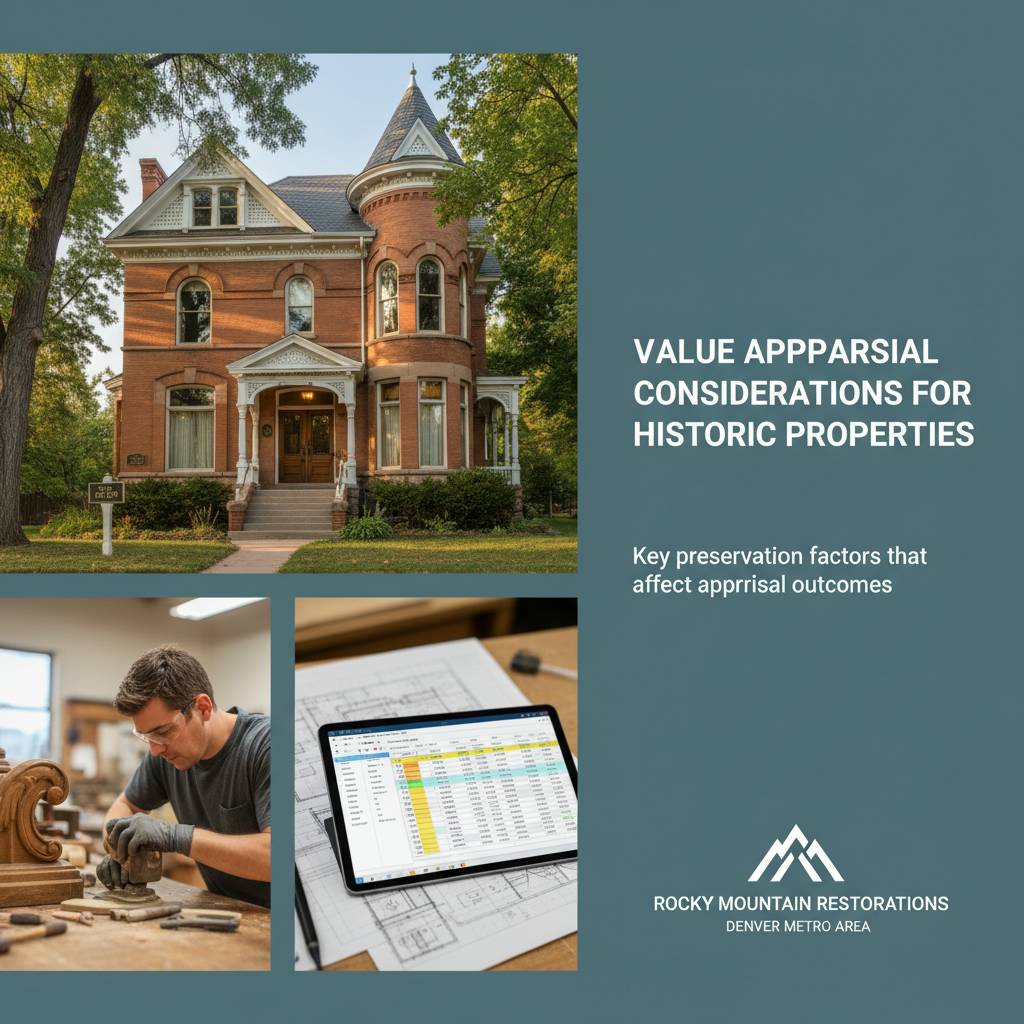 Regulatory constraints such as local historic district ordinances, landmark designations, and conservation easements directly influence both the cost of alterations and the pool of potential buyers. Restrictions can constrain exterior modifications, material substitutions, and demolition rights. While these protections preserve historic character, they can also reduce liquidity or increase holding costs. Appraisals must document the specific restrictions and model their effect on marketability and value.
Another preservation factor is the state of original fabric. Where original windows, trim, plaster, flooring, or masonry are intact and well maintained, the market often assigns a premium. However, if original elements are irreparably damaged, replacement choices and the integrity of restoration work will determine whether the property recovers its historic value. Appraisers evaluate the quality of preservation work, adherence to accepted conservation standards, and the credentials of contractors when estimating likely buyer acceptance.
Character-defining features and their weight in appraisal
Character-defining features-elements that convey the property's historic identity-carry disproportionate weight in valuation. These features include faades, porches, cornices, decorative finishes, and unique interior millwork. An appraiser documents these elements with photographs and narrative descriptions and assesses how visible or replaceable they are. In many markets, maintaining such features is a precondition for achieving top-tier prices among buyers seeking authenticity.
Market trends and comparative analysis for historic homes
Interpreting market activity for historic properties demands careful selection of comparables. Direct comps are often scarce; when available, they should be adjusted for differences in preservation status, renovation scope, and regulatory encumbrances. Appraisers typically widen the geographic and chronological search parameters while using larger adjustments for unique features. The goal is to arrive at a range of plausible values rather than a single, narrow number.
Broader market trends-interest rates, urban revitalization, heritage tourism, and demographic shifts-also influence demand. For example, neighborhoods experiencing reinvestment or designation as cultural destinations often see an uplift in prices for well-preserved historic homes. Conversely, areas with declining investment or restrictive development policies may depress values. An appraisal that incorporates both micro-level comps and macro-level trends provides a more defensible and actionable estimate.
Practical upgrades that increase appraised value
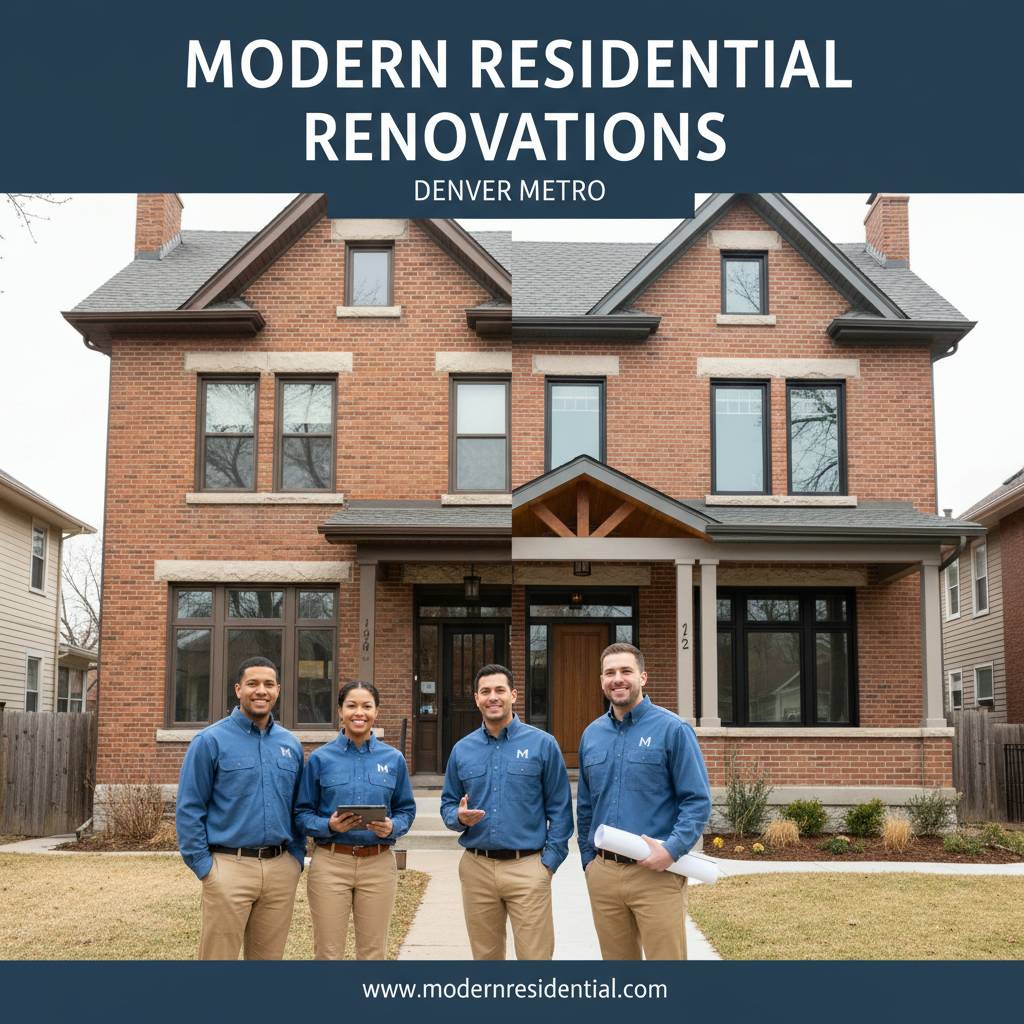 Not every upgrade produces equal returns for historic properties. Investments that preserve or restore character while improving performance tend to yield the best results. Priority upgrades commonly recommended by appraisers and preservation professionals include selective structural stabilization, sensitive window restoration, sympathetic insulation and HVAC upgrades, and discreet electrical and plumbing modernization. These improvements enhance livability without undermining authenticity.
Cost-effective interventions can also raise market value. For example, restoring original woodwork or repairing historic plaster may cost $2,000-$15,000 depending on scope, but these actions can materially improve buyer perception and the final appraisal adjustment. Energy-efficiency upgrades such as insulating attic spaces, upgrading to high-efficiency boilers, or installing period-appropriate storm windows typically cost in the ranges shown in the table below and often produce both utility savings and improved marketability.
| Upgrade | Estimated Cost | Typical Appraisal Impact |
|---|---|---|
| Window restoration (select units) | $1,000-$6,000 | Moderate to high, depending on character importance |
| Sympathetic HVAC replacement | $8,000-$30,000 | High for livability; low negative impact on historic fabric if concealed |
| Roof and flashing repair | $5,000-$25,000 | High; prevents deterioration and appeals to buyers |
| Insulation and air sealing | $1,500-$8,000 | Moderate; improves energy performance without altering appearance |
Prioritizing interventions for best return
Prioritization should be based on the intersection of risk mitigation and buyer visibility. Structural repairs and water intrusion remediation are typically first because they prevent irreversible deterioration. Next come visible repairs that influence aesthetic perception, such as masonry repointing or porch restoration. Finally, performance upgrades that are unobtrusive but increase comfort-insulation, efficient mechanical systems, and modern wiring-round out a value-focused program.
Appraisal process and documentation specific to historic properties
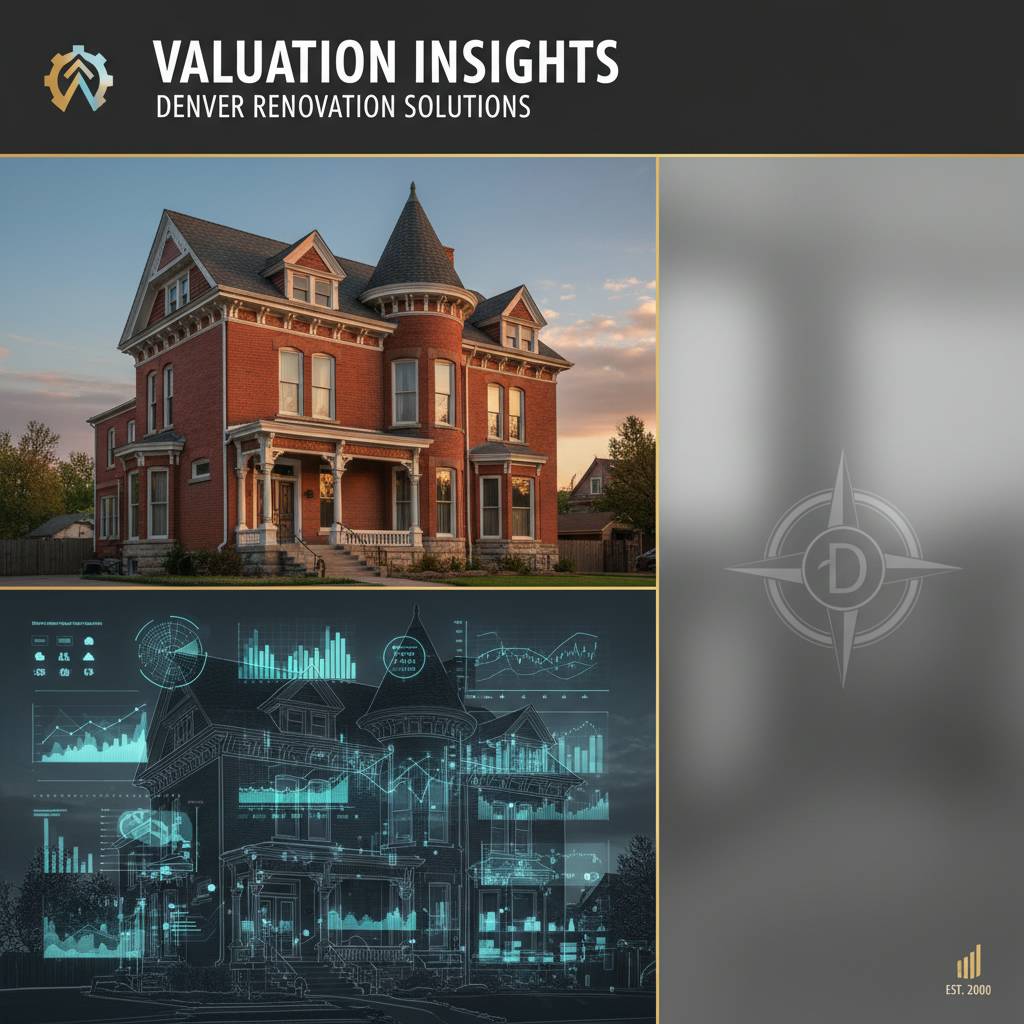 An appraisal for a historic property follows standard valuation protocols but requires augmented documentation. Photos should capture character-defining features and areas of concern; repair estimates and contractor proposals are reviewed; and historical documentation such as original plans, designation reports, and conservation easements are collected. The appraiser will also gather neighborhood context, including the prevalence of historic listings and local market absorption rates for renovated historic homes.
Standards-based assessment matters. Appraisals that reference authoritative preservation guidelines, such as the Secretary of the Interior's Standards for Rehabilitation where applicable, are more persuasive to lenders and buyers. Including a clear scope-of-work section that explains which improvements are necessary to reach market-ready condition and which are elective helps clients and stakeholders understand how suggested investments translate into value.
Working with preservation professionals
In many cases, the appraisal benefits from collaboration with preservation architects, structural engineers with historic experience, and contractors skilled in traditional methods. These experts provide reliable cost estimates and validate that proposed materials and techniques conform to conservation best practices. Their input reduces uncertainty in the appraisal and can shorten transaction timelines when buyers or lenders require documented compliance with preservation standards.
Case studies and real-world illustrations
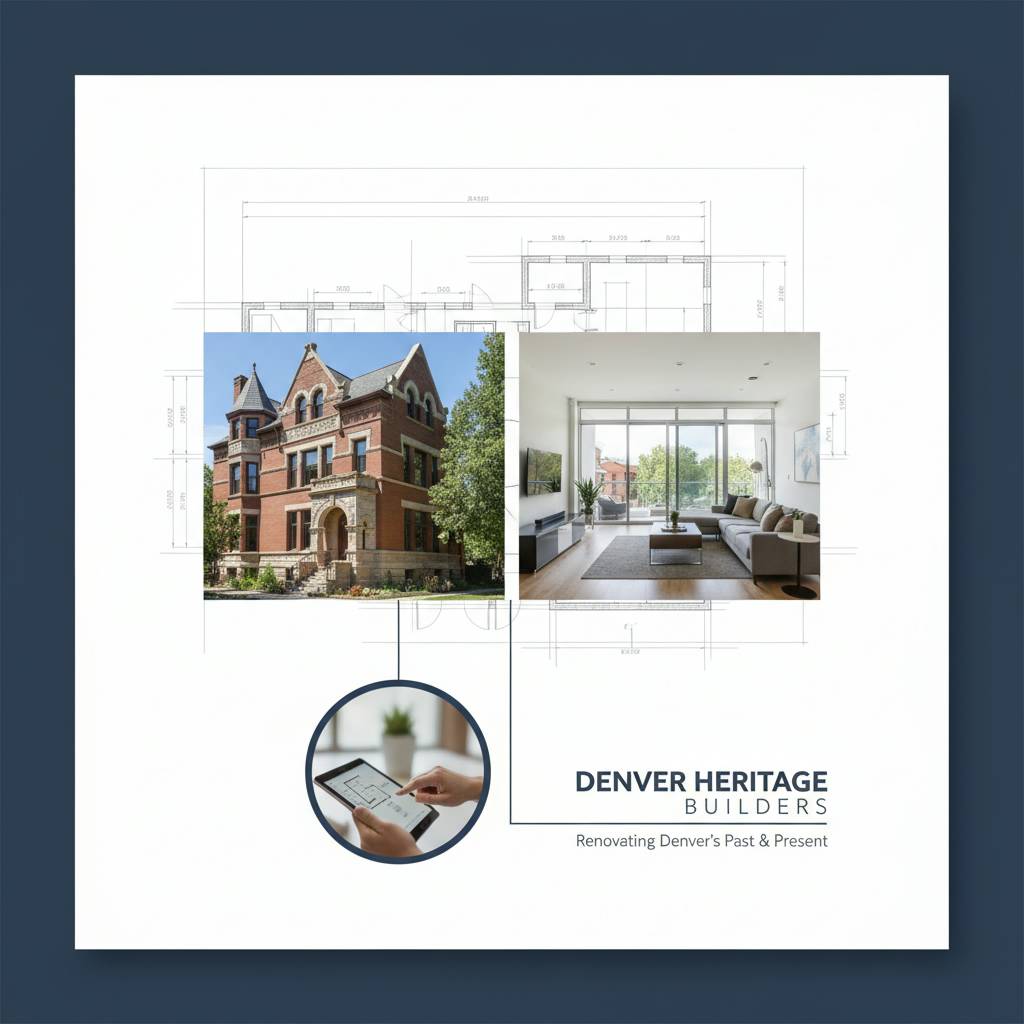 Case study 1: A late-19th-century brick row house in a revitalizing historic district received targeted investment in foundation stabilization, roof replacement using historically compatible materials, and selective interior restoration of original woodwork. The appraisal, which accounted for district demand and the high integrity of restored features, supported a sale price above similar but heavily altered properties. This demonstrates how sensitive restoration can produce measurable market premiums.
Case study 2: A rural farmhouse with historic designation suffered from deferred maintenance and modern system deficiencies. The recommended scope prioritized roof, drainage, and HVAC replacement, followed by a modest kitchen update that preserved original cabinetry where possible. Post-improvement appraisals showed improved comparability to local market peers, and the property experienced a faster sale cycle and stronger offers from buyers appreciating both character and comfort.
Common questions and practical answers
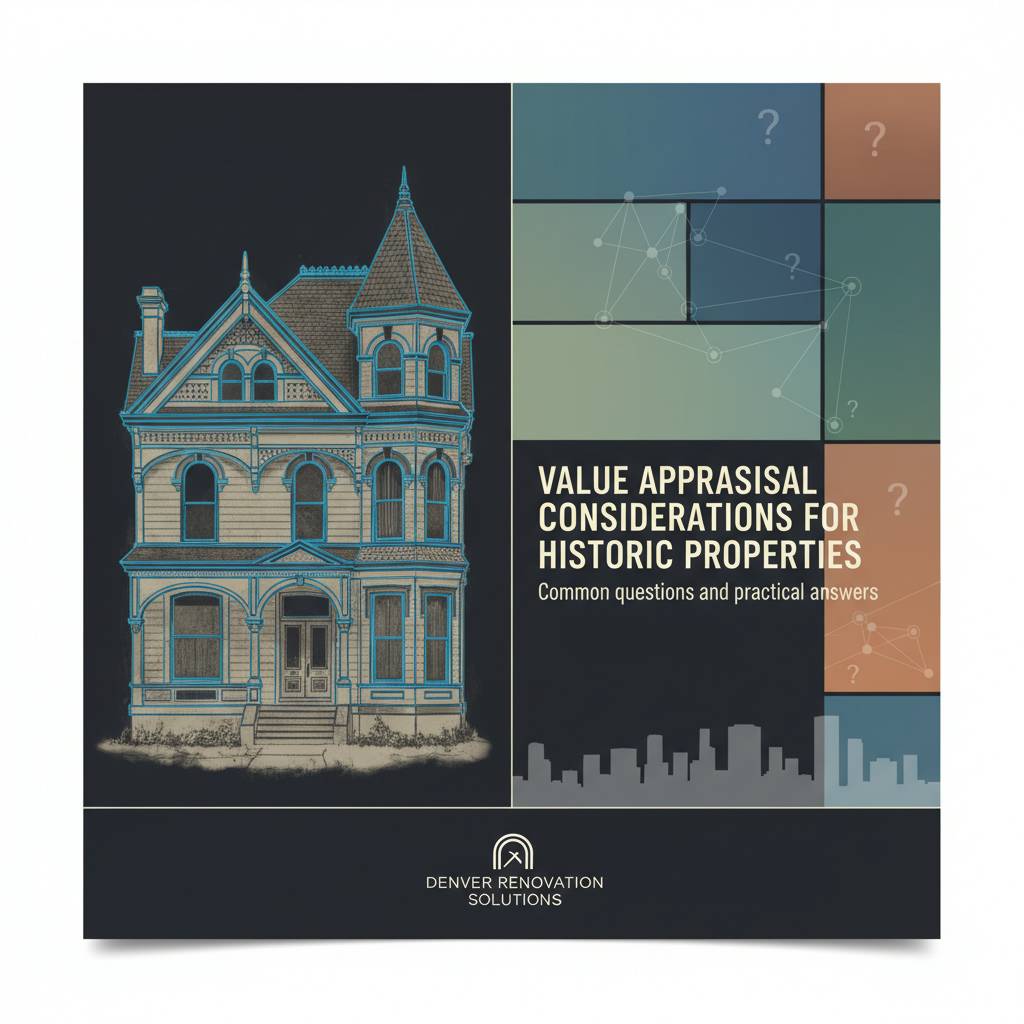
- How much do preservation restrictions lower value? The effect varies. Restrictions can reduce the buyer pool, which may lower liquidity, but in many markets designation adds cachet that offsets constraints. An appraisal will weigh local buyer preferences and recent sales.
- Are period-appropriate upgrades more valuable than contemporary upgrades? Generally yes, when they preserve character. Buyers seeking historic properties pay for authenticity. Contemporary upgrades that are invisible or reversible, like mechanical systems, also add value by improving habitability.
- Should owners get an appraisal before investing in improvements? Yes. A pre-renovation appraisal or consult can prioritize expenditures and identify interventions with the highest probability of positive appraisal impact.
Next steps and working with
Achieving the best appraised value for a historic property requires a strategy that blends market insight with preservation expertise. offers tailored appraisal services and advisory guidance that focus on interventions proven to influence market worth. We begin with a comprehensive condition assessment, document preservation constraints, and deliver a prioritized improvement plan that estimates costs and likely appraisal impacts.
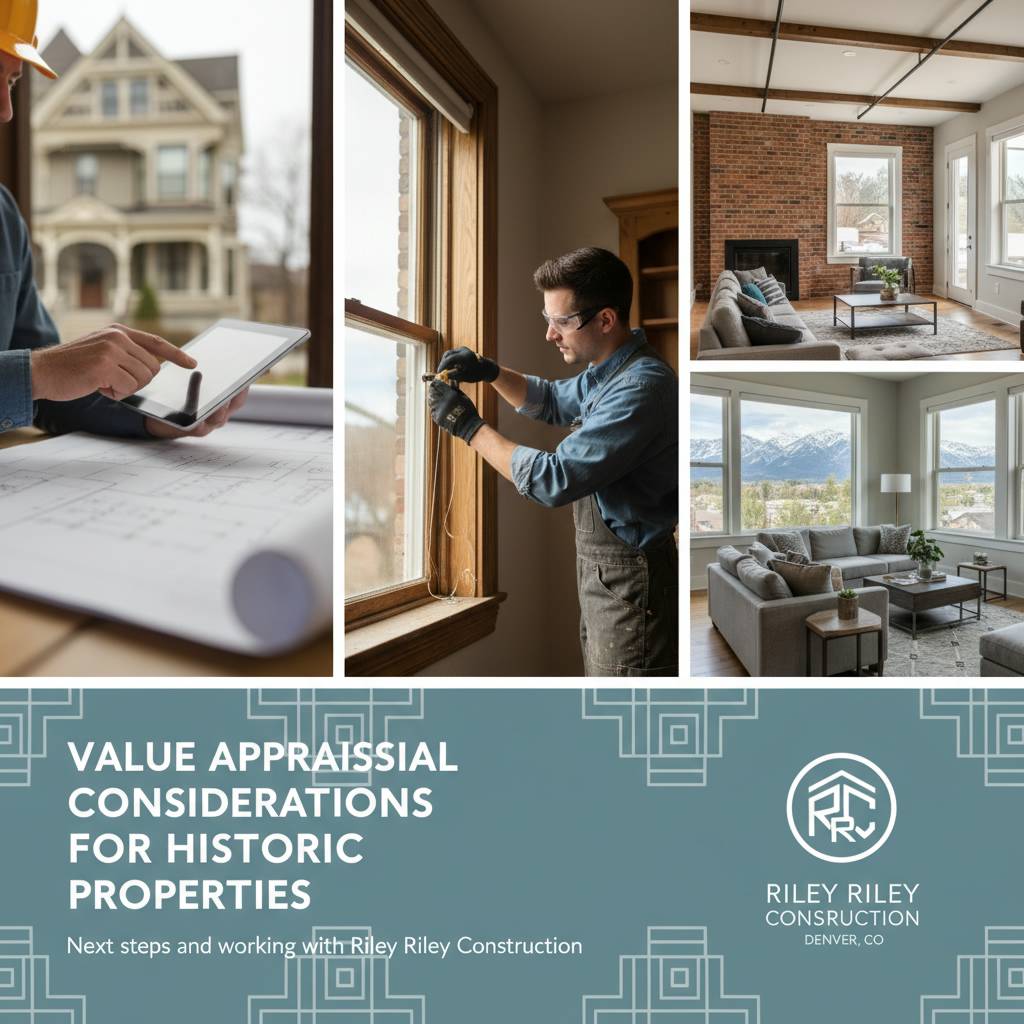
If you would like an informed valuation or a consult to identify the most effective upgrades for your property, contact us to schedule an evaluation. Speak with our team to discuss how specific restoration and modernization choices align with buyer expectations in your market. Call to set up a conversation with or another member of our appraisal team.
Ready to proceed? For a practical, preservation-minded appraisal that speaks to both the market and the building's history, reach out to . We provide clear recommendations, realistic cost estimates, and defensible valuation conclusions so you can make informed decisions about investment and sale. Contact today to get started.