When to Preserve Original Features Versus Replace for Value
Deciding when to preserve original features versus replace them depends on condition and market preferences
Every home tells a story through its original features - the hardwood floors with decades of character, the vintage tile backsplash, the ornate trim that frames a living room. But stories don't always translate into market value in a straightforward way. At , we assess each feature with an eye toward authenticity and buyer expectations, weighing the tangible condition against what the local market rewards. Call to schedule an assessment and get a clear, practical plan.
This guide helps you understand when to preserve original features versus replace for value. You'll learn how to evaluate condition, research buyer preferences, estimate costs, and decide on approaches that maximize appeal without sacrificing the unique personality of your property. Read on for practical steps, real-world examples, and a checklist that will make your next decision less emotional and more profitable.
Key factors that determine whether to preserve or replace
Start with condition: a feature that is structurally sound and repairable often adds more value if preserved. For example, original wide-plank floors that only need refinishing can be an asset; replacing them with new, lower-grade flooring typically costs more and removes the historical appeal. Conversely, items that show severe decay, rot, or safety code issues usually require replacement regardless of how charming they are.
Market preferences matter almost as much as condition. In some neighborhoods, buyers actively seek original details and will pay a premium for period-accurate restorations. In other areas where buyers prefer turnkey convenience, modernized kitchens and bathrooms can be decisive. Understanding the buyer profile-first-time buyers, luxury buyers, downsizers, or historic-home enthusiasts-helps you align preservation choices with market demand.
Rarity and provenance
Rarity increases the value of preservation. Unique features such as handcrafted moldings, original ironwork, or early-20th-century stained glass often carry both historical and monetary value. If a feature is rare or tied to a known architect or builder, preserving it is usually the right strategy because replacement rarely recreates the same authenticity. Document provenance where possible; buyers and appraisers respond positively to verified history.
Cost comparisons and lifecycle
Think beyond the immediate price tag. Preservation can be cost-effective when the work required is limited to cleaning, stabilizing, or refinishing. Replacement may be necessary when repeated repairs are likely or when long-term maintenance is higher. Consider lifecycle costs and resale timelines: if you plan to sell soon, buyers' expectations can dictate a different approach than for long-term owners.
Practical examples: preserve versus replace
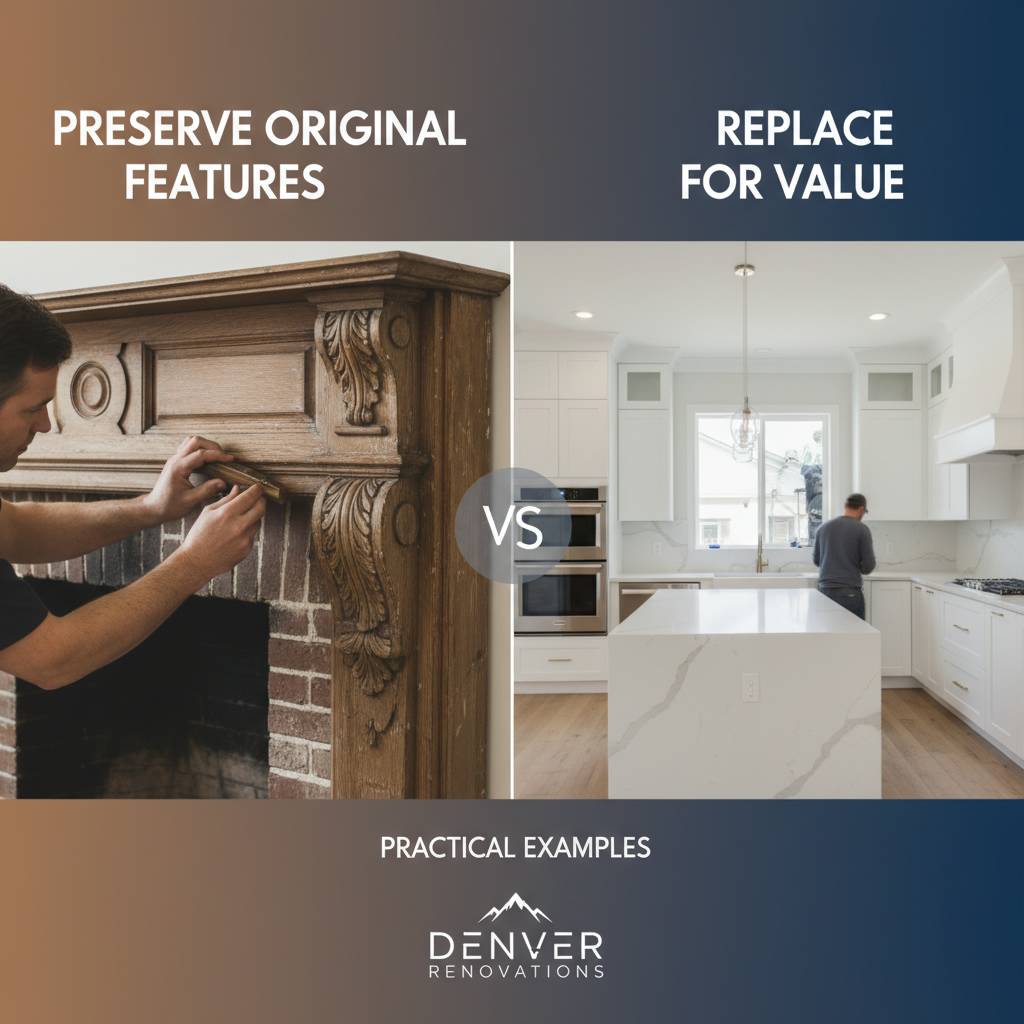 Below are common features homeowners face when deciding whether to preserve or replace. These examples illustrate typical trade-offs and cost ranges to guide your decision-making. Use them as a starting point rather than definitive rules; each house is unique.
| Feature | When to Preserve | When to Replace | Typical Cost Range |
|---|---|---|---|
| Wood flooring | Boards are sound, only surface wear or minor gaps | Severe cupping, rot, or insect damage throughout | $3-$8 per sq ft to refinish; $6-$12 per sq ft to replace |
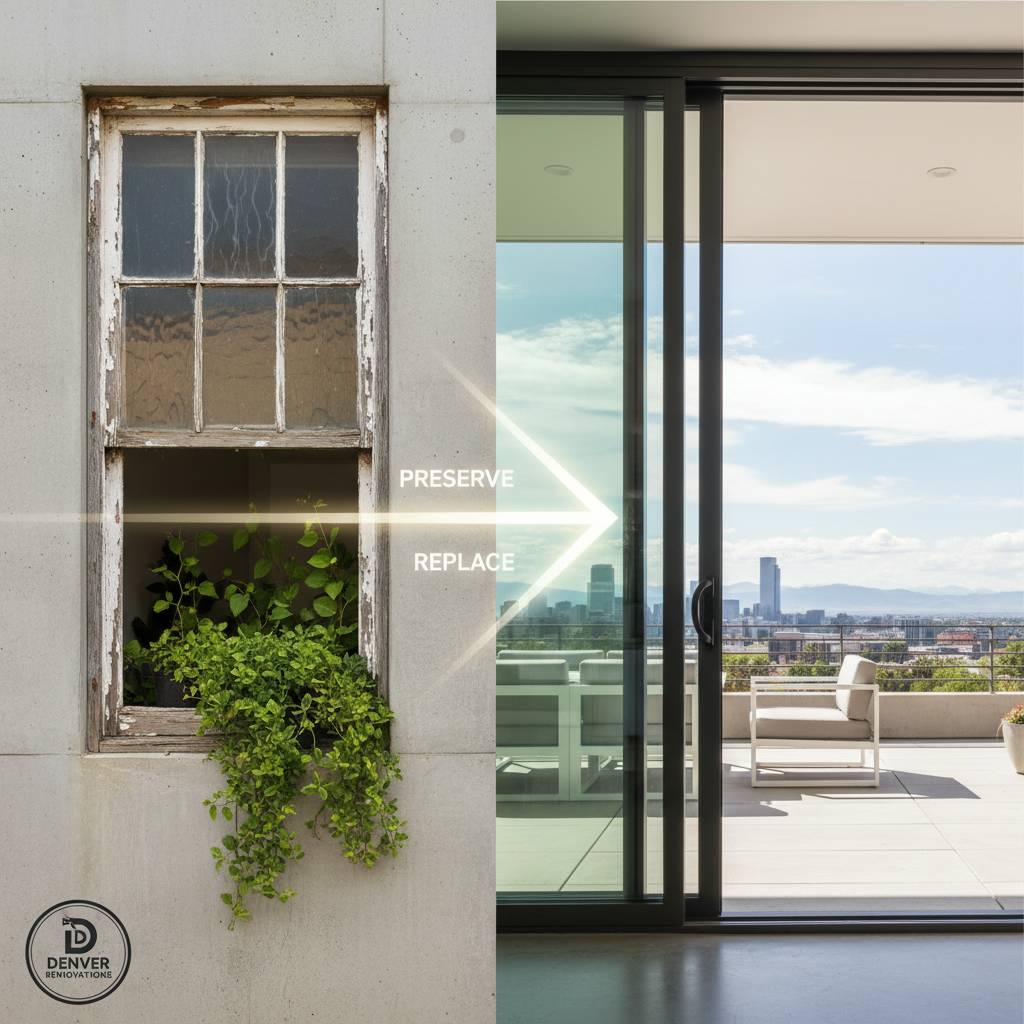
| Original windows | Frames intact, good glass, minor air leaks fixable | Rotting frames, broken sash, or poor energy performance | $75-$200 to repair hardware; $300-$900 per window to replace |
| Historic tile and fixtures | Tiles intact and not a safety issue | Cracked tiles, mold behind, or failing substrates | $10-$50 per sq ft to restore; $15-$60 per sq ft to replace |
| Kitchen cabinetry | Solid frames, refinishing possible, layouts functional | Warped, water-damaged, or awkward layouts that reduce appeal | $200-$600 to refinish per cabinet; $3,000-$25,000 to replace |
Assessment process: how evaluates features
Our assessments start with a thorough walkthrough that documents condition, functionality, historical significance, and immediate safety concerns. We photograph existing conditions, note areas of active deterioration, and identify whether issues are cosmetic, structural, or code-related. This step clarifies whether preservation is feasible and outlines realistic repair scopes and cost estimates.
Next, we analyze market data: nearby sales, comparable properties with original features preserved or modernized, and buyer trends in your neighborhood. That context helps gauge how much buyers value originality versus modern convenience. Our recommendations factor in resale timelines and target buyer types so you can make choices that fit your financial goals.
Finally, we provide a prioritized action plan: urgent fixes to prevent further damage, preservation steps that offer high value, and targeted replacements where they improve marketability. This plan includes rough cost estimates and an estimated return on investment, enabling informed decisions whether you plan to sell soon or live in the home longer.
Steps homeowners can take to decide
 Make the decision process manageable by breaking it into steps. First, catalogue original features and rate their condition: good, fair, poor. Next, determine which features are defining elements of the house's character-these deserve special attention. Then research comparable listings or consult a local appraiser to understand how similar choices affected price and time on market.
Once you know condition and market impact, estimate costs for both preservation and replacement. Include soft costs like permits and contractor coordination, as well as potential savings from doing phased work. Create a simple pros-and-cons list for each feature and prioritize the ones that deliver the most visible market benefit for the least investment.
Decision checklist
- Is the feature structurally sound or repairable?
- Does it contribute to the home's historical or aesthetic identity?
- Do buyers in your market value originality?
- What is the cost difference between restoration and replacement?
- How soon do you plan to sell?
- Will preservation reduce maintenance or increase it?
Balancing authenticity with buyer expectations
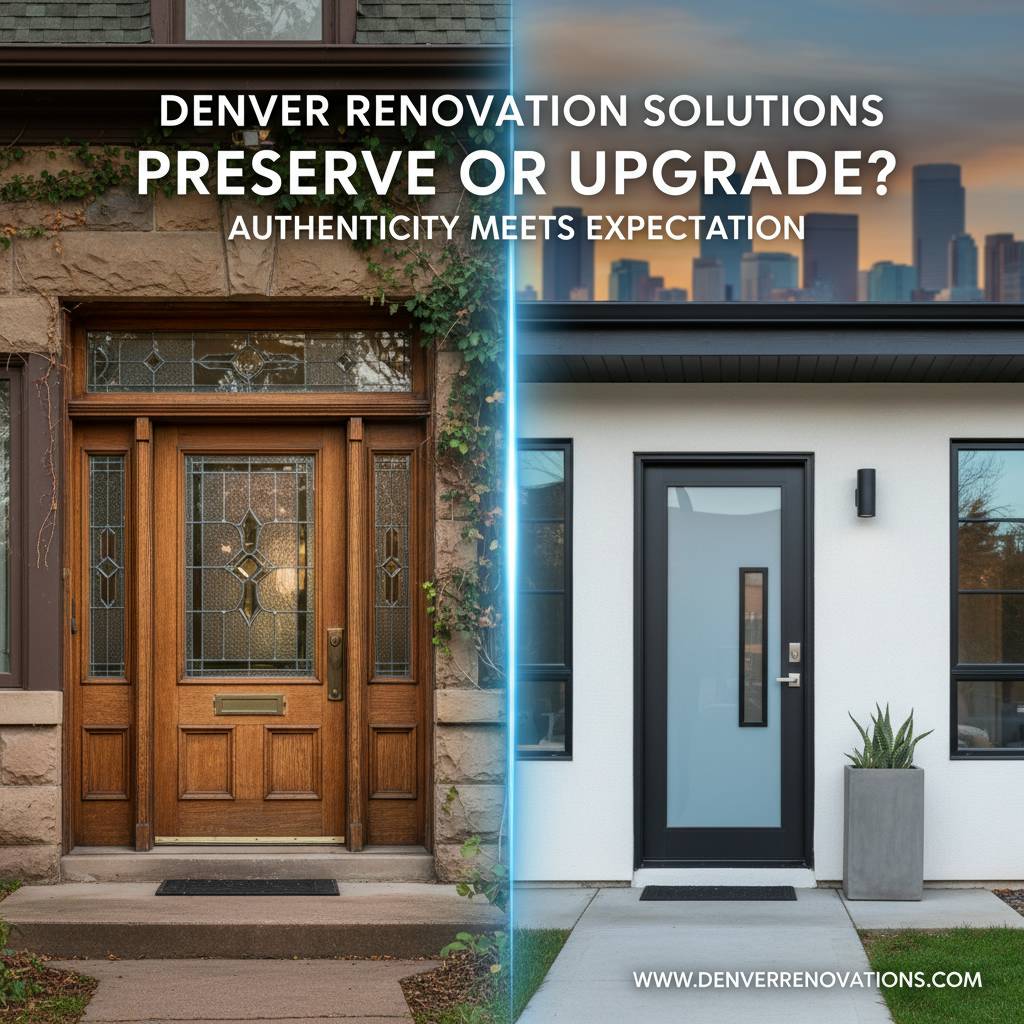 You don't always have to choose one extreme: thoughtful compromises often produce the best results. For instance, you can preserve an original fireplace surround while updating the hearth materials to meet modern safety and efficiency standards. Selective replacement-keeping sight lines and character intact while modernizing high-use components-lets you keep soul without sacrificing livability.
Another approach is reversible modernization. Install modern systems or appliances in ways that can be removed without damage to original fabric. Examples include installing freestanding kitchen islands instead of built-in cabinets that cover original woodwork, or choosing interior storm windows that improve energy performance while preserving original sash. Reversibility preserves value for buyers who appreciate authenticity.
Practical tips for preservation and targeted replacement
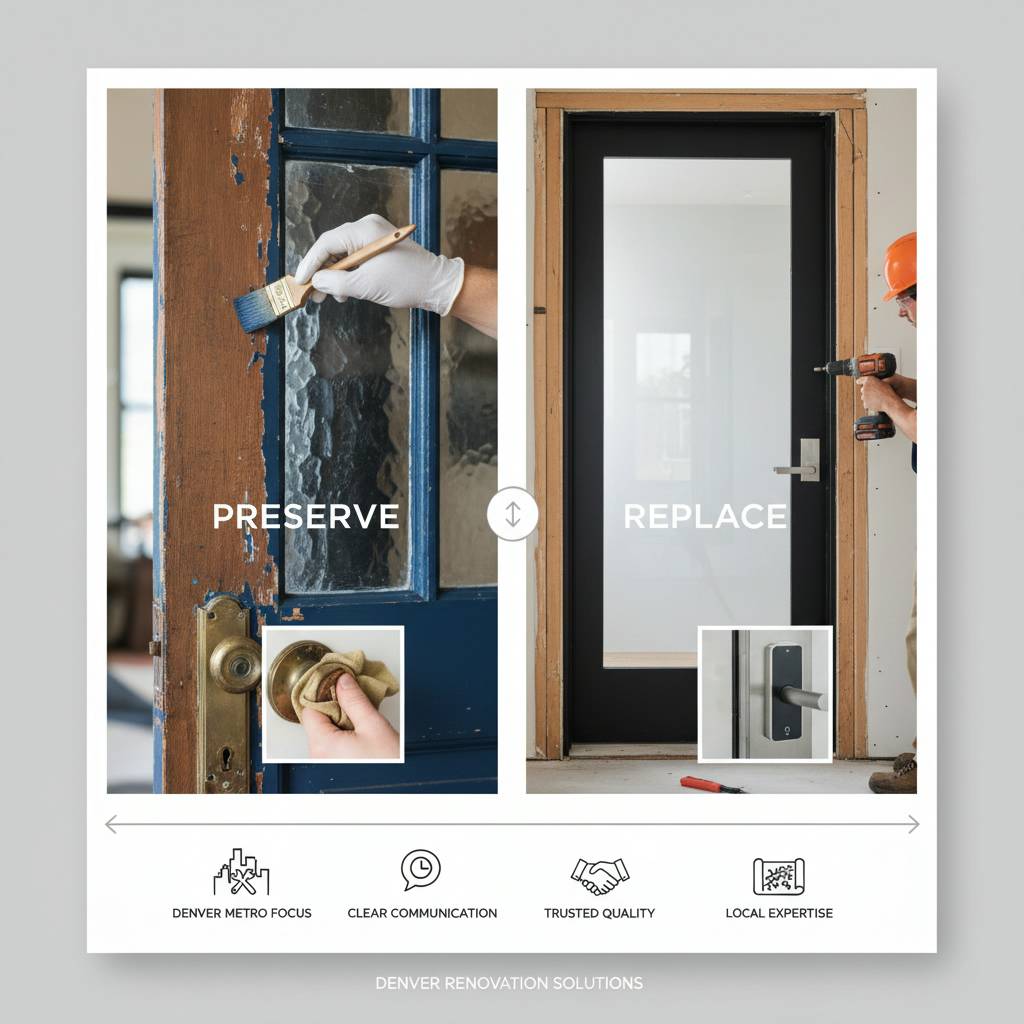 If you decide to preserve, prioritize stabilization and documentation. Stabilize loose elements and address any moisture intrusions first; neglecting these basics undermines long-term preservation. Photograph and note makers' marks or distinctive features before work begins-documentation enhances provenance and can increase buyer interest.
When replacement is necessary, match scale and character where possible. Use materials and profiles that harmonize with the home's era-this avoids visual dissonance that can diminish perceived value. If full replication is too expensive, aim for the same proportions, finishes, and color palettes to maintain a coherent aesthetic.
Budget-minded preservation tips
- Refinish rather than replace wood surfaces if the substrate is sound.
- Use epoxy consolidation for small areas of rot instead of wholesale replacement.
- Install interior storm windows for improved performance without removing original sashes.
- Repaint rather than replace trim when profiles are intact and lead-safe practices are followed.
Case studies: real decisions, real outcomes
 Case Study 1: A 1920s bungalow had original oak floors showing moderate wear and gaps. The homeowners chose to sand, stain, and repair the floors. The work cost about $4 per square foot, and the home sold faster and at a higher price than comparable listings that had modern laminate. Buyers cited the floors as a major selling point in feedback.
Case Study 2: A mid-century house had original single-pane windows with widespread rot. After cost estimates, the owners replaced the windows with custom, period-appropriate sashes that matched profile and muntin patterns but used modern glazing and weatherstripping for performance. This hybrid approach preserved aesthetic value while addressing energy and maintenance concerns.
Frequently asked questions
Q: Will preserving original features always increase resale value? A: Not always. Preservation increases value when the feature is in repairable condition and aligns with buyer preferences. If a feature is heavily damaged or presents safety issues, replacement often provides better returns.
Q: How do I know what buyers in my market want? A: Check recent sales in your neighborhood, speak with local real estate agents, and review listing photos to see whether original features are highlighted or replaced. A professional assessment by can also distill local trends into actionable advice.
Q: Are there grants or tax incentives for historic preservation? A: In some areas, yes. Local preservation societies, municipal programs, or state historic tax credits can offset restoration costs. Research local resources before starting major projects because incentives can make preservation more economical.
Final considerations and how to move forward
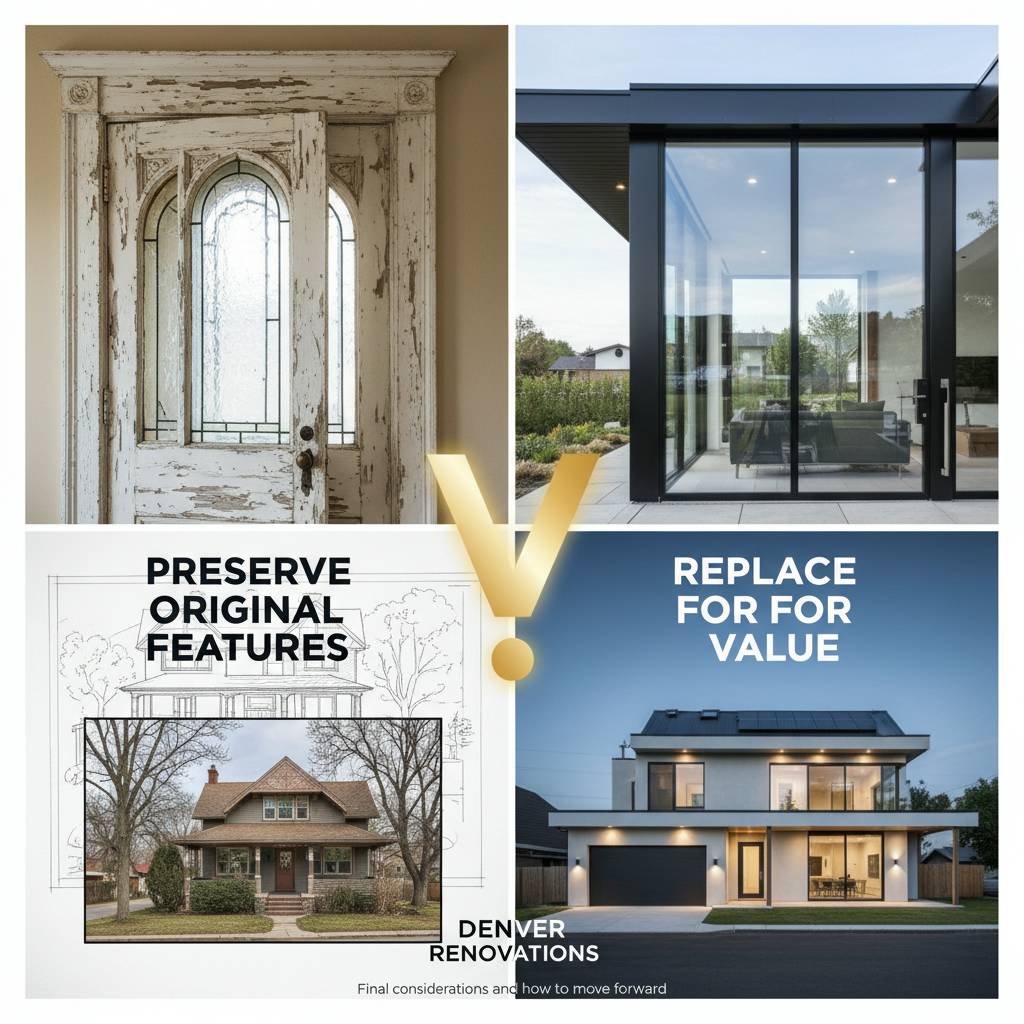 Deciding when to preserve original features versus replace for value is never purely technical-emotions and personal attachment play a role. That said, the most successful outcomes combine a clear-eyed assessment of condition, a realistic sense of local buyer preferences, and a budget-conscious plan that targets high-impact changes. Whether you choose restoration, replacement, or a hybrid strategy, the goal is to present a home that appeals to buyers while honoring its inherent character.
offers tailored assessments that translate complicated trade-offs into simple recommendations. We consider structural soundness, historical significance, cost ranges, and market appetite so you can choose the option that best balances authenticity with resale potential. If you're wrestling with a specific feature and want practical, prioritized advice, we're here to help.
Call to schedule an assessment.
If you prefer, send a brief description and photos of the features you're weighing and we'll provide an initial perspective. A short consultation can often save thousands of dollars and weeks of uncertainty.
Thank you for reading. When the question is when to preserve original features versus replace for value, lean on experience and local insight-contact at for clear, actionable guidance.